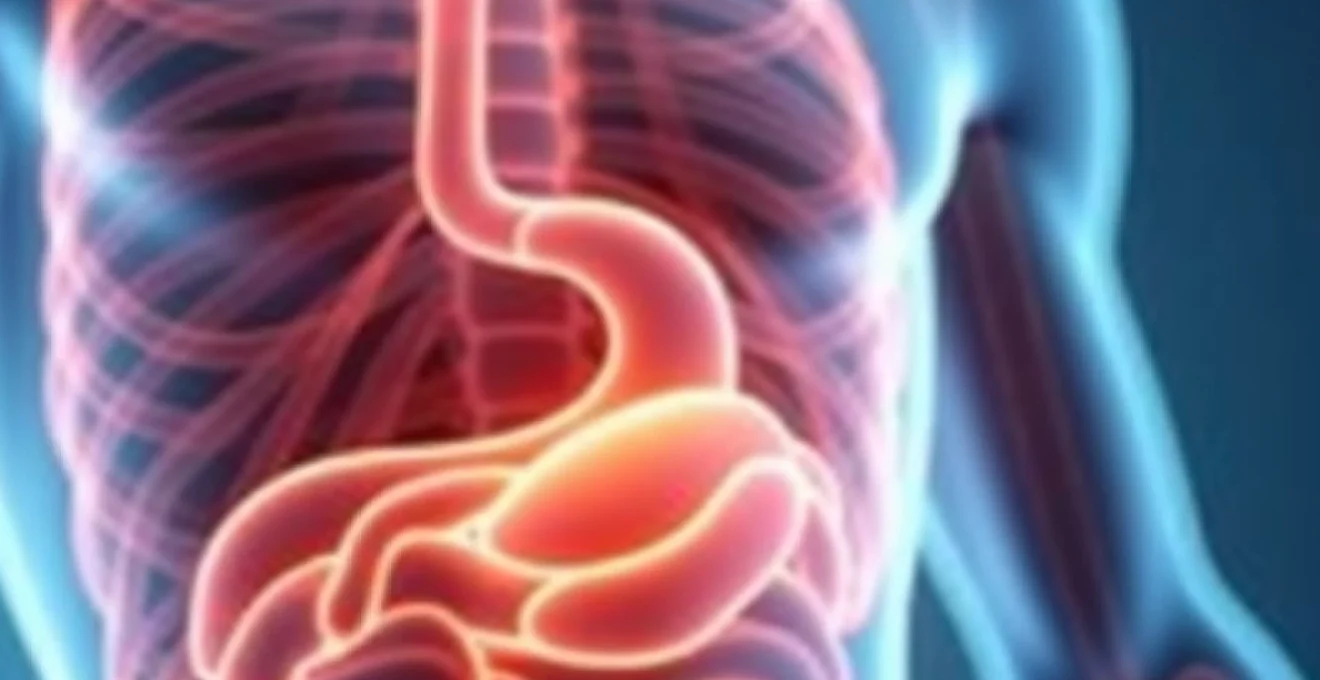
A bubbling sensation beneath the left ribs without accompanying pain presents a fascinating physiological phenomenon that often leaves individuals curious about its origins. This peculiar feeling, described by many as gentle popping, gurgling, or fluttering sensations, can occur intermittently throughout the day without causing any discomfort. Unlike painful conditions that immediately signal distress, these asymptomatic bubbling sensations represent a complex interplay between various anatomical structures including the digestive system, respiratory apparatus, and muscular framework of the thoracic cavity.
Understanding the mechanisms behind painless subcostal bubbling requires examining multiple physiological processes that can create these distinctive sensations. From gastric gas movements to subtle muscle contractions, numerous factors contribute to this benign yet noticeable phenomenon. The left subcostal region houses several vital organs including portions of the stomach, spleen, left kidney, and sections of the colon, each potentially contributing to the bubbling sensations you might experience.
Anatomical origins of left subcostal bubbling sensations
The left subcostal region represents a complex anatomical landscape where multiple organ systems converge and interact. This area beneath the left ribcage contains numerous structures capable of producing bubbling sensations through various mechanisms. The stomach’s fundus, splenic flexure of the colon, left hemidiaphragm, intercostal muscles, and pleural cavity all contribute to the sensory experiences you might encounter in this region.
Gastric fundus gas accumulation and diaphragmatic contact
The gastric fundus, located in the upper curved portion of the stomach, frequently accumulates gas from swallowed air and digestive processes. When gas collects in this region, it creates a distinctive bubbling sensation as it moves against the diaphragm and surrounding structures. This phenomenon becomes particularly noticeable after meals when gastric distension increases and gas bubbles navigate through the stomach’s complex topography.
Gas accumulation patterns vary significantly based on body position, eating habits, and individual anatomical variations. The fundus serves as a natural gas reservoir, and when you change positions or engage in physical activity, trapped gas bubbles shift and create those characteristic bubbling sensations. This process occurs naturally as part of normal digestive physiology and rarely indicates any underlying pathology.
Splenic flexure syndrome and colonic gas entrapment
The splenic flexure represents the sharp bend in the colon near the spleen, where the transverse colon transitions into the descending colon. This anatomical configuration creates a natural trap for intestinal gas, leading to what gastroenterologists term splenic flexure syndrome. Gas accumulation at this site produces distinctive bubbling sensations that you might feel beneath your left ribs, particularly after consuming gas-producing foods or carbonated beverages.
Colonic gas entrapment at the splenic flexure occurs more frequently than many people realise, affecting approximately 5-10% of individuals experiencing digestive gas symptoms. The curved nature of this colonic segment impedes smooth gas transit, causing temporary accumulation that manifests as bubbling or gurgling sensations. These episodes typically resolve spontaneously as peristaltic waves eventually propel the trapped gas through the remaining colon.
Intercostal muscle fasciculation without nociceptive activation
Intercostal muscles, located between the ribs, occasionally experience spontaneous fasciculations or involuntary contractions that create bubbling sensations without pain. These muscle twitches result from minor electrolyte imbalances, fatigue, or benign neural stimulation affecting the intercostal nerve pathways. Unlike painful muscle spasms, these fasciculations produce gentle fluttering sensations that you might perceive as bubbling beneath the ribs.
Fasciculation patterns in intercostal muscles typically last seconds to minutes and occur sporadically throughout the day. Factors such as caffeine consumption, stress, physical exertion, or magnesium deficiency can increase the frequency of these benign muscle contractions. The absence of pain distinguishes normal fasciculations from pathological conditions, indicating healthy neuromuscular function rather than underlying disease processes.
Pleural space air movement and visceral mechanoreceptor stimulation
The pleural cavity, containing a thin layer of fluid between the lung and chest wall, can occasionally experience subtle air movements that stimulate mechanoreceptors without activating pain pathways. These movements might result from minor changes in intrathoracic pressure during breathing, coughing, or position changes. The mechanoreceptors detect these subtle pressure variations and transmit sensations that you perceive as gentle bubbling or popping feelings.
Visceral mechanoreceptors in the pleural space respond to mechanical stimuli without necessarily triggering nociceptive responses. This phenomenon explains how you might experience noticeable sensations in the chest cavity without associated discomfort. The sophisticated sensory network in this region allows for detection of subtle physiological changes whilst maintaining normal respiratory function.
Gastrointestinal motility disorders causing asymptomatic bubbling
Gastrointestinal motility encompasses the coordinated muscular contractions that propel food, fluids, and gas through the digestive tract. When these motility patterns become altered or irregular, they can produce characteristic bubbling sensations without associated pain or discomfort. Understanding these motility variations helps explain why you might experience persistent or recurrent bubbling feelings beneath your left ribs, particularly in relation to eating patterns and digestive processes.
Motility disorders affecting the upper gastrointestinal tract can manifest as various sensory phenomena, including the distinctive bubbling sensations you might notice. These conditions often involve subtle alterations in normal digestive rhythms rather than complete dysfunction, allowing normal digestion to continue whilst producing noticeable sensory changes.
Gastroparesis-related gastric stasis and fermentation processes
Gastroparesis involves delayed gastric emptying that can occur in mild forms without causing significant symptoms beyond subtle bubbling sensations. When stomach emptying slows, food remains longer in the gastric environment, promoting fermentation processes that generate additional gas. This prolonged gastric retention creates ideal conditions for bacterial fermentation of undigested carbohydrates, producing carbon dioxide and other gases that contribute to bubbling sensations.
Mild gastroparesis affects approximately 2-4% of the population and often goes undiagnosed due to subtle symptom presentation. The condition can result from diabetes, medications, or idiopathic causes, leading to altered gastric motility patterns. These changes create distinctive gas movement patterns that you might perceive as bubbling beneath the left ribs, particularly after meals containing fermentable carbohydrates.
Small intestinal bacterial overgrowth (SIBO) gas production
Small intestinal bacterial overgrowth represents an imbalance in intestinal microbiota that can produce excess gas through bacterial fermentation of nutrients. When bacterial populations increase beyond normal levels in the small intestine, they metabolise dietary components more rapidly, generating hydrogen, methane, and carbon dioxide. This increased gas production creates bubbling sensations as gas bubbles navigate through the intestinal tract and interact with surrounding structures.
SIBO-related gas production often follows predictable patterns related to meal composition and timing. Bacterial fermentation of specific substrates, particularly fermentable oligosaccharides, disaccharides, monosaccharides, and polyols (FODMAPs), produces characteristic gas patterns that you might notice as bubbling sensations. These episodes typically occur 1-3 hours after eating and can persist for several hours as bacterial metabolism continues.
Delayed gastric emptying and postprandial gas retention
Delayed gastric emptying creates conditions where gas accumulates in the stomach for extended periods, leading to distinctive bubbling sensations as gas bubbles move within the gastric environment. This phenomenon becomes particularly noticeable after consuming carbonated beverages, which introduce additional gas directly into the stomach. The combination of delayed emptying and increased gas volume creates pronounced bubbling sensations that you might feel beneath your left ribs.
Postprandial gas retention patterns vary based on meal composition, with high-fat foods typically causing more pronounced delays in gastric emptying. These delays allow more time for gas accumulation and fermentation processes, intensifying the bubbling sensations you experience. Understanding these relationships helps explain why certain foods or eating patterns might increase the frequency or intensity of subcostal bubbling sensations.
Vagal dysfunction and altered peristaltic wave patterns
The vagus nerve coordinates gastrointestinal motility through complex neural pathways that can experience subtle dysfunction without causing overt symptoms. When vagal function becomes altered, peristaltic wave patterns change, affecting how gas and liquids move through the digestive tract. These altered movement patterns create distinctive sensations as gas bubbles encounter modified contractile sequences in the stomach and intestines.
Vagal dysfunction can result from various factors including stress, certain medications, or metabolic conditions. The resulting changes in peristaltic coordination create irregular gas movement patterns that you might perceive as bubbling or gurgling sensations. These altered patterns typically maintain sufficient digestive function whilst producing noticeable sensory changes that distinguish them from normal digestive processes.
Respiratory system contributions to subcostal bubble phenomena
The respiratory system plays a significant role in generating subcostal bubbling sensations through various mechanisms involving diaphragmatic function, lung dynamics, and intrathoracic pressure variations. These respiratory contributions often go unrecognised because they occur below the threshold of conscious awareness, yet they can produce distinctly perceptible sensations beneath the left ribs. Understanding these respiratory mechanisms provides insight into why you might experience bubbling sensations that seem unrelated to digestive processes.
Respiratory-related bubbling sensations typically correlate with breathing patterns, physical activity levels, and postural changes. The complex interplay between respiratory mechanics and surrounding anatomical structures creates multiple pathways through which you might experience these distinctive sensations.
Diaphragmatic flutter and involuntary muscle contractions
Diaphragmatic flutter involves rapid, involuntary contractions of the diaphragm that can create distinctive bubbling or fluttering sensations beneath the ribs. Unlike hiccups, which involve synchronous diaphragmatic contractions, flutter consists of rapid, irregular contractions that produce more subtle sensory experiences. These contractions can stimulate mechanoreceptors in surrounding tissues, creating the bubbling sensations you might notice, particularly when lying down or during quiet moments.
The phenomenon affects the left hemidiaphragm more frequently than the right due to anatomical differences and varying neural innervation patterns. Diaphragmatic flutter episodes typically last minutes to hours and can occur spontaneously or following specific triggers such as stress, fatigue, or electrolyte imbalances. These episodes remain benign in most cases, representing temporary alterations in normal diaphragmatic function rather than underlying pathology.
Lower lobe atelectasis and compensatory lung expansion
Minor degrees of lower lobe atelectasis, involving partial collapse of small lung segments, can trigger compensatory expansion in adjacent lung areas. This compensatory mechanism creates subtle pressure changes and air movements that you might perceive as bubbling sensations beneath the ribs. The process typically occurs without causing respiratory symptoms, as the compensatory mechanisms maintain adequate oxygenation and ventilation.
Compensatory lung expansion involves recruitment of alveolar units that may normally remain partially collapsed during quiet breathing. This recruitment process creates distinctive air movement patterns and pressure changes that stimulate mechanoreceptors in the pleural space and surrounding tissues. The resulting sensations can manifest as gentle bubbling or popping feelings that correlate with breathing patterns and physical activity levels.
Pneumomediastinum migration to left costal margin
Pneumomediastinum, involving air in the mediastinal space, can occasionally migrate toward the left costal margin, creating bubbling sensations without respiratory distress. This phenomenon typically results from minor air leaks from the respiratory tract that remain too small to cause significant symptoms. The migrating air can stimulate sensory receptors along fascial planes, producing distinctive bubbling sensations that you might notice during position changes or deep breathing.
Air migration patterns in pneumomediastinum follow anatomical pathways determined by fascial connections and pressure gradients. When air reaches the left subcostal region, it can create temporary bubbling sensations as it moves along tissue planes or gets reabsorbed into surrounding structures. These episodes typically resolve spontaneously as the small amounts of air get gradually reabsorbed through normal physiological processes.
Cardiovascular origins of Left-Sided bubbling without discomfort
Cardiovascular contributions to left subcostal bubbling sensations involve subtle hemodynamic changes and cardiac rhythm variations that can create distinctive sensory experiences without causing pain or significant discomfort. The heart’s proximity to the left subcostal region means that certain cardiac phenomena can transmit sensations to this area through various anatomical pathways. These sensations typically result from benign variations in normal cardiac function rather than pathological conditions.
The cardiovascular system generates bubbling sensations through multiple mechanisms including subtle arrhythmias, pressure variations, and hemodynamic changes that affect surrounding tissues. Understanding these mechanisms helps differentiate between normal physiological variations and potentially concerning cardiac symptoms. Cardiac-related bubbling sensations often exhibit patterns related to physical activity, position changes, and emotional states.
Benign cardiac rhythm variations can produce distinctive sensory experiences that patients describe as bubbling or fluttering sensations, particularly when these variations occur in proximity to the left subcostal region where cardiac activity can be transmitted through anatomical connections.
Premature ventricular contractions (PVCs) and premature atrial contractions (PACs) represent common rhythm variations that can create bubbling sensations without pain. These benign arrhythmias occur in healthy individuals and typically increase with stress, caffeine consumption, or fatigue. When these extra beats occur, they can create distinctive sensations that you might perceive as bubbling beneath the left ribs, particularly if you’re lying down or in quiet environments where subtle sensations become more noticeable.
Hemodynamic variations related to blood pressure fluctuations or venous return changes can also contribute to subcostal bubbling sensations. These variations might occur with position changes, following meals, or during periods of dehydration. The resulting pressure changes can stimulate mechanoreceptors in the region, creating sensations that resemble bubbling or gentle pulsation without associated discomfort.
Diagnostic approaches for asymptomatic left subcostal sensations
Evaluating asymptomatic left subcostal bubbling sensations requires a comprehensive approach that considers multiple potential causes whilst avoiding unnecessary testing for benign phenomena. The diagnostic process typically begins with detailed history-taking to identify patterns, triggers, and associated factors that might indicate specific underlying mechanisms. Healthcare providers focus on distinguishing between physiological variations and pathological conditions through careful clinical assessment.
The absence of pain significantly influences diagnostic approaches, as painless sensations typically indicate benign processes rather than urgent medical conditions. However, thorough evaluation ensures that subtle manifestations of underlying conditions aren’t overlooked whilst providing reassurance about benign phenomena. Diagnostic strategies emphasise cost-effective approaches that provide maximum information with minimal invasiveness.
Effective diagnostic evaluation of asymptomatic subcostal bubbling requires balancing thoroughness with practicality, focusing on identifying patterns and triggers that might indicate specific underlying mechanisms whilst avoiding excessive testing for likely benign phenomena.
Initial diagnostic steps typically include comprehensive history-taking to identify temporal patterns, dietary associations, and positional triggers that might indicate specific causes. Physical examination focuses on abdominal palpation, auscultation for abnormal bowel sounds, and assessment of respiratory function. These basic evaluation methods often provide sufficient information to identify likely causes and guide further testing decisions.
Advanced diagnostic approaches might include upper gastrointestinal imaging, electrocardiographic monitoring, or breath testing for bacterial overgrowth, depending on clinical findings and symptom patterns. Ultrasound evaluation can assess gallbladder function, identify splenic abnormalities, or evaluate diaphragmatic motion. These targeted investigations help confirm suspected diagnoses whilst ruling out significant pathology that might require specific treatment.
Laboratory testing typically focuses on identifying metabolic abnormalities that might contribute to motility disorders or muscle dysfunction. Complete blood counts, electrolyte panels, and inflammatory markers provide baseline information about overall health status. Specialised tests such as gastric emptying studies or hydrogen breath tests might be indicated when specific gastrointestinal causes are suspected based on clinical presentation.
Management strategies for benign subcostal bubble manifestations
Managing benign subcostal bubbling sensations focuses on addressing underlying mechanisms whilst providing symptom relief and patient reassurance. Treatment approaches typically emphas
ise conservative approaches over invasive interventions, recognising that most subcostal bubbling sensations represent normal physiological variations rather than pathological conditions requiring aggressive treatment. Effective management combines lifestyle modifications, dietary adjustments, and targeted interventions based on identified underlying mechanisms. The goal remains symptom reduction whilst maintaining normal digestive and respiratory function.
Conservative management strategies typically yield excellent results for individuals experiencing benign subcostal bubbling sensations. These approaches focus on optimising normal physiological processes whilst minimising factors that might exacerbate sensation frequency or intensity. Lifestyle-based interventions often provide significant improvement without requiring pharmaceutical treatments or invasive procedures.
Dietary modifications represent the cornerstone of management for gastrointestinal-related bubbling sensations. Reducing intake of gas-producing foods such as beans, cruciferous vegetables, and carbonated beverages can significantly decrease symptom frequency. Eating smaller, more frequent meals helps prevent gastric overdistension that contributes to gas accumulation in the fundus region. Thorough chewing and slower eating patterns reduce air swallowing, minimising one source of gastric gas that creates bubbling sensations.
Physical positioning strategies can effectively manage symptoms by facilitating gas movement through the digestive tract. Left-side lying positions help promote gas transit through the splenic flexure, reducing accumulation at this anatomical bend. Gentle abdominal massage in circular motions can stimulate peristalsis and encourage gas movement. Regular walking after meals promotes normal digestive motility whilst preventing gas stagnation that contributes to bubbling sensations.
Stress management techniques address the vagal dysfunction component that can contribute to altered gastrointestinal motility patterns. Deep breathing exercises, meditation, and progressive muscle relaxation help optimise autonomic nervous system function, promoting normal digestive rhythms. These techniques also reduce the likelihood of stress-induced muscle fasciculations that might create subcostal bubbling sensations through intercostal muscle contractions.
Effective management of benign subcostal bubbling sensations requires individualised approaches that address specific underlying mechanisms whilst maintaining overall digestive and respiratory health through conservative, evidence-based interventions.
Hydration optimisation plays a crucial role in managing symptoms, as proper fluid balance supports normal digestive function and prevents electrolyte imbalances that might contribute to muscle fasciculations. Maintaining consistent hydration levels throughout the day helps optimise gastric emptying rates whilst supporting normal peristaltic function. However, avoiding excessive fluid intake during meals prevents further gastric distension that might exacerbate bubbling sensations.
When conservative measures prove insufficient, targeted pharmaceutical interventions might be considered based on identified underlying mechanisms. Prokinetic agents can improve gastric emptying in cases of mild gastroparesis, reducing gas accumulation time in the stomach. Simethicone preparations help break down gas bubbles, facilitating their passage through the digestive tract. Probiotics may benefit individuals with suspected bacterial overgrowth, helping restore normal intestinal microbiota balance.
For respiratory-related bubbling sensations, breathing exercises and postural modifications often provide significant relief. Diaphragmatic breathing techniques help optimise respiratory function whilst reducing the likelihood of compensatory lung expansion that might create subcostal sensations. Maintaining good posture prevents compression of thoracic structures that might contribute to altered respiratory mechanics. Regular cardiovascular exercise improves overall respiratory efficiency whilst reducing the frequency of benign rhythm variations that might create cardiac-related bubbling sensations.
Monitoring and follow-up strategies ensure that benign sensations remain stable whilst identifying any changes that might indicate developing pathology. Symptom diaries help identify patterns and triggers that guide ongoing management decisions. Regular check-ups allow healthcare providers to reassess symptoms and adjust treatment approaches as needed. This monitoring approach provides ongoing reassurance whilst ensuring that any significant changes receive appropriate medical attention.
Patient education represents a crucial component of successful management, as understanding the benign nature of subcostal bubbling sensations reduces anxiety and improves quality of life. Learning to recognise normal variations versus concerning symptoms empowers individuals to manage their condition effectively. Education about lifestyle factors that influence symptom frequency helps patients make informed decisions about dietary choices, physical activities, and stress management techniques that optimise their individual outcomes.