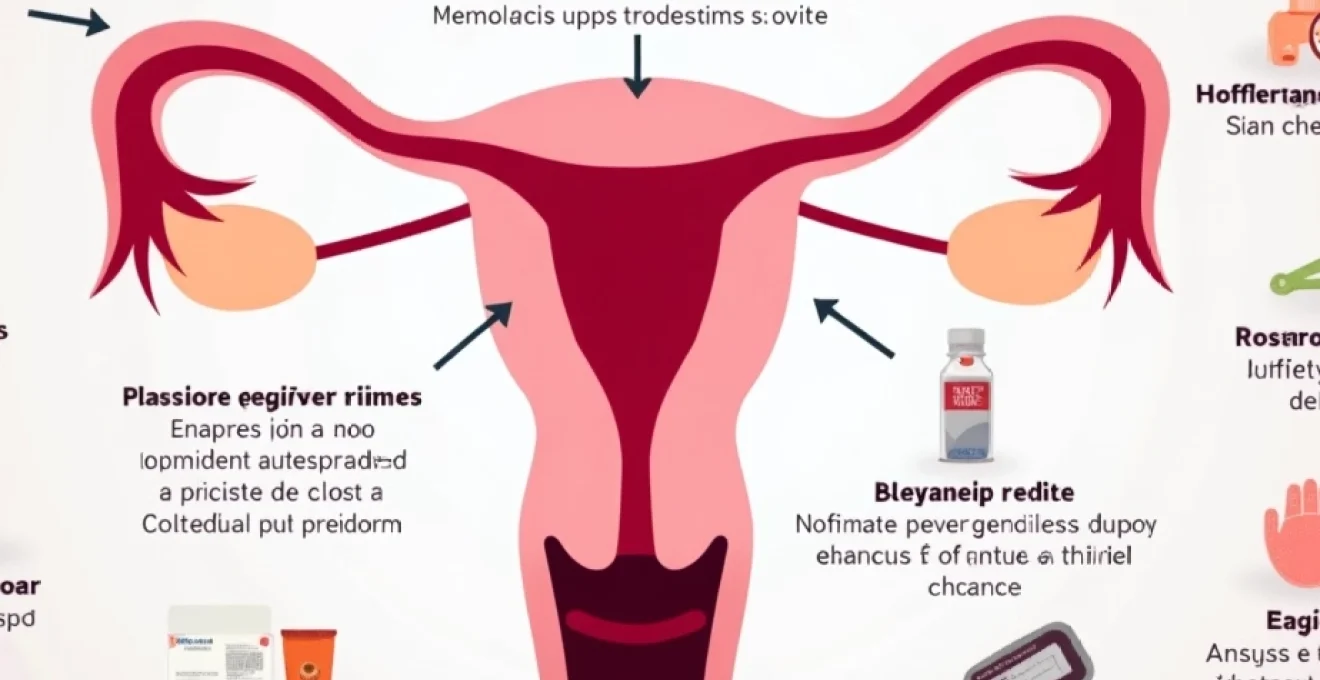
Women considering long-acting contraceptive options often express concerns about potential impacts on future fertility. Depo-Provera, one of the most widely prescribed injectable contraceptives, has sparked particular interest regarding its effects on reproductive capacity. This synthetic progestin-based injection provides effective pregnancy prevention for three months per dose, but questions persist about whether prolonged use might compromise a woman’s ability to conceive after discontinuation. Understanding the scientific evidence surrounding Depo-Provera’s impact on fertility helps women make informed reproductive health decisions based on facts rather than misconceptions.
Depo-provera mechanism of action and reproductive system impact
Depo-Provera contains depot medroxyprogesterone acetate (DMPA), a synthetic progestin that fundamentally alters normal reproductive physiology to prevent pregnancy. The injectable formulation delivers a sustained release of hormones over approximately 12-14 weeks, creating consistent contraceptive protection without requiring daily user intervention. This mechanism involves multiple pathways that collectively suppress fertility through various biological processes.
Medroxyprogesterone acetate suppression of Gonadotropin-Releasing hormone
The primary mechanism through which DMPA prevents pregnancy involves suppression of gonadotropin-releasing hormone (GnRH) from the hypothalamus. When medroxyprogesterone acetate circulates at therapeutic levels, it creates negative feedback that inhibits GnRH pulsatility. This disruption prevents the normal cyclical release of follicle-stimulating hormone (FSH) and luteinising hormone (LH) from the anterior pituitary gland. Without these essential reproductive hormones, the ovaries cease their normal cyclical activity, effectively halting ovulation for the duration of contraceptive coverage.
The suppression mechanism mimics certain aspects of pregnancy, when elevated progesterone naturally prevents additional ovulation. However, DMPA creates this effect through sustained hormone levels rather than the cyclical patterns observed in natural reproductive cycles. This continuous suppression explains why many women experience amenorrhoea during Depo-Provera use, as the endometrial lining remains thin without regular hormonal stimulation.
Hypothalamic-pituitary-ovarian axis disruption pathways
DMPA administration creates profound alterations in the hypothalamic-pituitary-ovarian (HPO) axis that extend beyond simple ovulation suppression. The synthetic progestin binds to progesterone receptors throughout the reproductive system, creating a cascade of effects that modify normal hormonal communication. These disruptions affect not only immediate fertility but also the pattern of recovery once the contraceptive is discontinued.
Research demonstrates that DMPA suppresses both FSH and LH to levels comparable to those observed during menopause. This dramatic hormonal suppression creates an environment where follicular development ceases almost entirely. Unlike other hormonal contraceptives that may allow some follicular activity, Depo-Provera creates near-complete ovarian quiescence. The depth of this suppression contributes to the extended recovery period many women experience after discontinuation.
Endometrial atrophy and cervical mucus viscosity changes
Beyond ovulation suppression, DMPA creates additional barriers to conception through direct effects on reproductive tract tissues. The endometrium undergoes significant atrophy during Depo-Provera use, becoming thin and relatively inactive. This endometrial suppression serves as a secondary contraceptive mechanism, as any fertilised embryo would struggle to implant in the atrophic tissue environment.
Cervical mucus undergoes dramatic changes under DMPA influence, becoming thick and viscous throughout the treatment period. This altered mucus creates a hostile environment for sperm transport, effectively blocking sperm from reaching the upper reproductive tract. The combination of cervical mucus changes and endometrial atrophy provides multiple layers of contraceptive protection, contributing to Depo-Provera’s exceptional efficacy rate of over 99% when administered correctly.
Ovarian follicular development inhibition mechanisms
The profound suppression of gonadotropins under DMPA treatment creates an environment where ovarian follicular development becomes virtually impossible. Antral follicles require FSH stimulation to progress through their development stages, but DMPA maintains FSH levels well below the threshold necessary for follicular recruitment. This creates a state similar to prepubertal ovarian function, where follicles remain in primordial stages without progressing toward ovulation.
Ultrasound studies of women using Depo-Provera consistently demonstrate reduced ovarian volume and absence of dominant follicles. The ovaries appear quiescent, with minimal follicular activity observable through imaging techniques. This comprehensive follicular suppression represents one of the most complete forms of ovulation inhibition available through hormonal contraception, explaining both the method’s high efficacy and the extended recovery period following discontinuation.
Clinical evidence on Depo-Provera-Related fertility delays
Extensive clinical research has investigated the relationship between Depo-Provera use and subsequent fertility, providing robust data on recovery timelines and conception rates. Multiple large-scale studies have tracked women discontinuing DMPA to understand patterns of fertility return and identify factors influencing recovery duration. This evidence base helps distinguish between temporary delays in conception and permanent fertility impairment.
Cochrane reviews and Meta-Analyses on return to ovulation
Systematic reviews examining DMPA fertility recovery consistently demonstrate that ovulation returns in the vast majority of women within 12-18 months of their final injection. Cochrane meta-analyses, considered the gold standard for evidence synthesis, have examined data from multiple randomised controlled trials and prospective cohort studies. These analyses reveal median times to ovulation return ranging from 5.5 to 8 months after the estimated end of contraceptive effect.
The most comprehensive meta-analysis examined over 14,000 women across 16 countries who discontinued various contraceptive methods. Women stopping DMPA showed median conception delays of approximately 4 months longer than those discontinuing other hormonal methods. However, cumulative pregnancy rates equalised between groups by 18 months post-discontinuation, indicating that the delay represents a temporary rather than permanent effect on reproductive capacity.
WHO multicentre study findings on conception rates
The World Health Organisation’s multicentre study represents one of the most significant investigations into DMPA fertility recovery, tracking 796 Thai women who discontinued injectable contraception to attempt pregnancy. This landmark research demonstrated a median delay to conception of 5.5 months plus the estimated duration of the final injection’s effect. Importantly, the study found no association between duration of DMPA use and time to conception recovery.
WHO findings revealed that 68% of women conceived within 12 months of discontinuation, rising to 81% within 15 months and 93% within 18 months. These conception rates eventually matched those observed in women discontinuing other contraceptive methods, providing strong evidence that DMPA does not cause permanent fertility impairment. The study’s large sample size and rigorous methodology have made it a cornerstone reference for counselling women about DMPA fertility effects.
Prospective cohort studies: schering and contraceptive CHOICE project data
Industry-sponsored research by Schering, DMPA’s original manufacturer, tracked fertility outcomes in multiple cohort studies spanning several decades. These investigations consistently demonstrated conception rates exceeding 90% within 24 months of DMPA discontinuation. The Schering studies were particularly valuable for their long-term follow-up periods, allowing researchers to identify women with extended delays in conception recovery.
The Contraceptive CHOICE Project, a more recent large-scale investigation, provided contemporary data on DMPA fertility recovery in a diverse population of American women. This study found that age, BMI, and previous pregnancy history significantly influenced conception timing, but DMPA duration of use showed minimal impact on recovery patterns. Women under 30 years showed faster fertility recovery than older participants, highlighting the importance of age-related factors in reproductive outcomes.
Comparative analysis with norplant and mirena IUD recovery times
Comparative studies examining fertility recovery across different long-acting reversible contraceptives (LARCs) provide valuable context for understanding DMPA’s relative impact on conception timing. Research comparing DMPA with the levonorgestrel-releasing intrauterine system (Mirena) demonstrates that both methods involve temporary fertility delays, but through different mechanisms and timelines.
Norplant implant users, who receive sustained levonorgestrel release, typically experience faster fertility recovery than DMPA users, with median conception times of 3-4 months post-removal. This difference reflects the distinct pharmacological properties of the hormones involved and their elimination kinetics. However, cumulative conception rates between all LARC methods equalise within 18-24 months, reinforcing the temporary nature of fertility delays associated with hormonal contraception.
Temporary versus permanent infertility risk assessment
Distinguishing between temporary fertility delays and permanent reproductive impairment represents a critical aspect of DMPA counselling and clinical management. Current evidence overwhelmingly supports the temporary nature of DMPA-associated fertility delays, with permanent infertility occurring at rates comparable to the general population. Understanding this distinction helps healthcare providers offer accurate information and appropriate reassurance to women considering or discontinuing injectable contraception.
Population-based studies examining long-term fertility outcomes in DMPA users demonstrate conception rates that ultimately match age-adjusted norms for women who never used hormonal contraception. The apparent “delay” in conception primarily reflects the time required for hormonal suppression to resolve and normal ovarian function to resume. This recovery process follows predictable patterns, with most women experiencing ovulation return within 6-12 months and conception within 18 months of discontinuation.
Risk factors for extended fertility delays include advanced maternal age, elevated body mass index, and underlying reproductive health conditions that may have been masked during DMPA use. Women with polycystic ovary syndrome (PCOS) or other ovulatory disorders may experience longer delays in cycle resumption, but these delays typically reflect the underlying condition rather than DMPA-induced damage.
Healthcare providers should counsel women that while individual variation exists in recovery timing, the vast majority will regain normal fertility within two years of stopping DMPA.
Permanent infertility following DMPA use occurs at rates indistinguishable from those observed in women who never used hormonal contraception. Age-related fertility decline, tubal disease, male factor infertility, and other common causes of reproductive dysfunction account for the majority of conception failures in former DMPA users. The timing of fertility assessment becomes crucial, as premature evaluation within the first 12 months post-discontinuation may lead to unnecessary interventions and anxiety.
Pharmacokinetic factors affecting fertility recovery
The pharmacological properties of depot medroxyprogesterone acetate significantly influence both contraceptive efficacy and fertility recovery patterns. Understanding these pharmacokinetic principles helps explain individual variation in conception timing and provides insight into factors that may accelerate or delay reproductive function restoration. The depot formulation creates unique challenges for predicting exact recovery timelines due to variable absorption and elimination patterns among users.
Depot injection Half-Life and serum clearance patterns
DMPA exhibits complex pharmacokinetics characterised by prolonged absorption from the injection site followed by gradual systemic clearance. The depot formulation releases medroxyprogesterone acetate slowly over 12-14 weeks, maintaining contraceptive levels well beyond the recommended injection interval. Peak serum concentrations occur within 1-7 days post-injection, followed by a gradual decline that may extend for months after the intended contraceptive period.
The elimination half-life of DMPA varies considerably among individuals, ranging from 28-55 days in most women. However, detectable levels may persist for 6-12 months after the final injection, explaining why some women experience extended amenorrhoea even after contraceptive protection has waned. This prolonged clearance pattern represents a fundamental difference from daily hormonal contraceptives, which clear from the system within days of discontinuation.
Individual metabolic variations and CYP450 enzyme activity
Cytochrome P450 enzyme systems play crucial roles in DMPA metabolism, with individual variations in enzyme activity contributing to differences in hormone clearance rates. Women with enhanced CYP3A4 activity may metabolise medroxyprogesterone acetate more rapidly, potentially leading to faster fertility recovery. Conversely, those with reduced enzyme activity may experience prolonged hormone exposure and delayed ovulation return.
Genetic polymorphisms affecting drug metabolism enzymes create significant inter-individual variation in DMPA pharmacokinetics. These genetic factors, combined with environmental influences such as smoking, alcohol consumption, and concurrent medications, create a complex picture of hormone elimination patterns. Understanding these metabolic variations helps explain why recovery timelines cannot be predicted precisely for individual women, despite consistent population-level trends.
Body mass index correlation with drug elimination rates
Research consistently demonstrates inverse relationships between body mass index (BMI) and DMPA elimination rates, with higher BMI associated with prolonged hormone persistence and delayed fertility recovery. Adipose tissue serves as a reservoir for lipophilic hormones like medroxyprogesterone acetate, potentially extending elimination half-life in women with higher body fat percentages. This relationship has important implications for counselling and managing expectations regarding conception timing.
Studies examining BMI effects on DMPA pharmacokinetics reveal that women with BMI values above 30 kg/m² may experience conception delays 2-4 months longer than those with normal BMI ranges. The mechanism involves both altered drug distribution and modified metabolic clearance pathways.
Healthcare providers should consider BMI when counselling women about expected fertility recovery timelines and may recommend weight optimisation as part of preconception planning.
Age-related pharmacodynamic changes in reproductive recovery
Age significantly influences both DMPA pharmacokinetics and the underlying reproductive system’s capacity for recovery following hormonal suppression. Women over 35 years demonstrate slower fertility recovery compared to younger users, reflecting both age-related changes in drug metabolism and diminished ovarian reserve. The combination of these factors creates compounding effects on conception timing that extend beyond simple pharmacological considerations.
Ovarian sensitivity to hormonal suppression increases with age, meaning that older women may require longer periods for full reproductive function restoration. Additionally, age-related changes in liver metabolism and renal clearance can prolong DMPA elimination, extending the period of reproductive suppression. These factors underscore the importance of individualized counselling based on age-specific fertility expectations and the potential benefits of earlier DMPA discontinuation for women planning pregnancy after age 35.
Managing Post-Depo-Provera fertility restoration
Optimal management of fertility restoration following DMPA discontinuation involves systematic monitoring of reproductive function recovery and addressing modifiable factors that may influence conception timing. Healthcare providers play crucial roles in setting appropriate expectations, identifying concerning delays, and implementing interventions when necessary. Proactive fertility management can help minimize anxiety and optimize conditions for successful conception once ovarian function resumes.
Initial assessment should include comprehensive reproductive history, identification of risk factors for delayed recovery, and establishment of realistic timelines based on individual patient characteristics. Women planning pregnancy should ideally discontinue DMPA 12-18 months before their desired conception date, allowing adequate time for fertility restoration while maintaining contraceptive protection through alternative methods. This planning approach prevents the frustration and anxiety associated with unexpected delays in conception attempts.
Monitoring fertility recovery involves tracking menstrual cycle resumption, confirming ovulation through various methods, and assessing overall reproductive health. Many women benefit from ovulation prediction kits, basal body temperature charting, or fertility awareness methods to identify the return of ovulatory function. Healthcare providers should emphasize that irregular cycles during the first 6-9 months post-DMPA represent normal recovery patterns rather than cause for immediate concern.
- Optimize preconception health through folic acid supplementation, healthy weight maintenance, and lifestyle modifications
- Monitor cycle regularity and ovulation patterns using reliable tracking methods
- Schedule fertility evaluation if conception has not occurred within 12 months of confirmed ovulation return
- Consider alternative contraceptive methods during the transition period to prevent unplanned pregnancy
Intervention strategies for women experiencing prolonged fertility delays may include hormonal treatments to stimulate ovulation resumption, although these approaches require careful evaluation of underlying causes. Clomiphene citrate or letrozole may help initiate ovulation in women with persistent anovulation 12-18 months post-DMPA. However, providers should first exclude other causes of reproductive dysfunction before attributing delays solely to previous DMPA use.
Alternative long-acting reversible contraceptives and fertility outcomes
Women concerned about DMPA’s impact on fertility recovery may benefit from considering alternative long-acting reversible contraceptive (LARC) options that offer comparable efficacy with different fertility restoration profiles. Modern contraceptive technology provides several highly effective alternatives, each with distinct mechanisms of action and recovery characteristics. Understanding these options enables informed decision-making based on individual fertility goals, lifestyle preferences, and medical considerations.
The levonorgestrel-releasing intrauterine system (LNG-IUS) represents the most popular alternative to DMPA among women seeking long-term contraception without injection-related delays. This device provides five years of contraceptive protection while maintaining some degree of ovarian function in most users. Studies demonstrate that 80-90% of LNG-IUS users experience ovulation return within 3-6 months of removal, significantly faster than typical DMPA recovery timelines. The localized hormone delivery minimizes systemic effects while providing excellent contraceptive efficacy exceeding 99%.
Copper-bearing intrauterine devices (Cu-IUDs) offer hormone-free contraception for women who prefer to avoid synthetic hormones entirely. These devices provide 10-12 years of pregnancy protection without affecting natural ovarian cycles or fertility recovery. Conception rates following Cu-IUD removal match those of women who never used contraception, with no delay in fertility restoration. However, some women experience increased menstrual bleeding and cramping, which may make copper IUDs less suitable than hormonal alternatives for certain individuals.
The etonogestrel subdermal implant delivers three years of contraceptive protection through sustained progestin release, but with faster elimination kinetics than DMPA. Most women experience ovulation return within 1-3 months of implant removal, making this option attractive for those planning pregnancy in the near future. Like DMPA, the implant suppresses ovulation through gonadotropin inhibition, but the removable nature allows for immediate cessation of hormone delivery when contraception is no longer desired. Research indicates that 77% of implant users conceive within 12 months of removal, with cumulative pregnancy rates reaching 96% by 24 months.
The choice between different LARC methods should consider individual factors including desired duration of contraception, tolerance for procedural insertion and removal, menstrual preferences, and timeline for future pregnancy attempts.
Combined oral contraceptives and other short-acting hormonal methods provide alternatives for women who prefer more control over their contraceptive status, though these require consistent daily adherence for optimal efficacy. These methods typically allow fertility recovery within 1-3 cycles of discontinuation, making them suitable for women who may want to conceive within the next 1-2 years. However, the higher failure rates associated with typical use patterns may make these options less suitable for women seeking the most reliable pregnancy prevention.
Recent innovations in contraceptive technology include the 52mg LNG-IUS with a slimmer insertion tube, designed to improve insertion comfort while maintaining five-year efficacy. Additionally, lower-dose levonorgestrel IUDs provide options for women experiencing side effects with higher hormone doses. These technological advances expand the range of suitable options while maintaining the fertility recovery advantages associated with intrauterine contraception.
Healthcare providers should engage in comprehensive contraceptive counseling that addresses individual reproductive goals, medical history, and personal preferences when discussing alternatives to DMPA. This counseling should include detailed information about fertility recovery timelines, side effect profiles, insertion procedures, and long-term efficacy data for each method under consideration. Women planning future pregnancies within 2-3 years may particularly benefit from alternatives that offer faster fertility recovery while maintaining excellent contraceptive protection during the interim period.