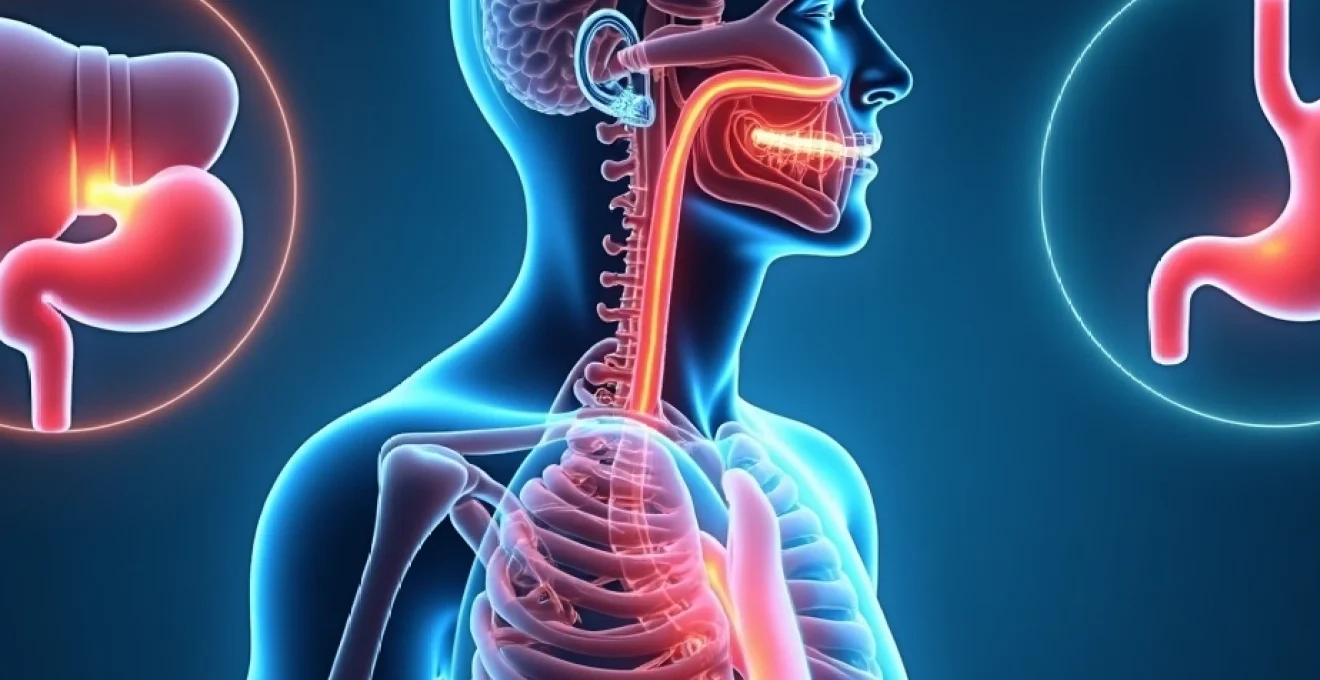
Gastroesophageal reflux disease (GERD) affects millions of people worldwide, with most patients recognising the classic symptoms of heartburn and regurgitation. However, GERD’s influence extends far beyond the digestive system, potentially triggering a complex array of seemingly unrelated symptoms including dizziness and balance disturbances. This connection, whilst not immediately obvious, represents a significant clinical consideration that warrants thorough examination.
The relationship between GERD and dizziness involves multiple physiological mechanisms, from direct effects on the vestibular system to cardiovascular responses triggered by acid reflux episodes. Understanding these connections proves crucial for both patients and healthcare providers in achieving accurate diagnosis and effective treatment outcomes.
Understanding GERD pathophysiology and its systemic effects
Lower oesophageal sphincter dysfunction and acid reflux mechanisms
The lower oesophageal sphincter (LES) serves as the primary barrier preventing gastric contents from refluxing into the oesophagus. When this muscular valve becomes weakened or dysfunctional, gastric acid and pepsin can migrate upwards, creating a cascade of inflammatory responses throughout the upper digestive tract. This mechanical failure represents the fundamental pathophysiological basis of GERD and sets the stage for numerous systemic complications.
Recent research indicates that LES dysfunction affects approximately 20% of the adult population in Western countries, with prevalence rates continuing to rise due to dietary factors and lifestyle changes. The sphincter’s inability to maintain adequate pressure gradients allows acidic gastric contents to breach the gastroesophageal junction, initiating inflammatory cascades that extend well beyond the oesophageal mucosa.
Vagal nerve irritation through gastroesophageal reflux episodes
The vagus nerve, a critical component of the parasympathetic nervous system, maintains extensive connections throughout the thoracic and abdominal cavities. When gastric acid irritates the oesophageal mucosa, vagal nerve branches respond with heightened activity, potentially triggering vasovagal responses that manifest as dizziness, lightheadedness, and even syncope. This neurological pathway explains why some GERD patients experience immediate dizzy spells following reflux episodes.
Clinical observations suggest that vagal stimulation from acid reflux can produce a variety of autonomic responses, including alterations in heart rate variability and blood pressure regulation. These physiological changes create the perfect conditions for dizziness to occur, particularly in patients with pre-existing cardiovascular sensitivities or autonomic dysfunction.
Hiatal hernia complications and vestibular system interference
Hiatal hernias frequently accompany GERD, with studies showing that up to 85% of GERD patients present with some degree of hiatal hernia formation. The anatomical displacement of gastric tissue into the thoracic cavity creates additional pressure effects that can influence both cardiac function and respiratory mechanics. These pressure changes may indirectly affect vestibular function through altered intracranial pressure dynamics.
The mechanical effects of hiatal hernias extend beyond simple anatomical displacement. Large hernias can compress adjacent structures, including the heart and major blood vessels, potentially creating haemodynamic changes that contribute to dizziness and balance disturbances. This relationship becomes particularly pronounced during postprandial periods when gastric distension is maximal.
Chronic inflammation markers in GERD-Related neurological symptoms
Chronic acid exposure triggers sustained inflammatory responses characterised by elevated cytokine production, including interleukin-1β, tumour necrosis factor-α, and prostaglandin E2. These inflammatory mediators can cross the blood-brain barrier and influence central nervous system function, potentially contributing to symptoms such as dizziness, brain fog, and cognitive impairment in GERD patients.
Laboratory studies demonstrate that chronic inflammation associated with GERD correlates with elevated C-reactive protein levels and increased oxidative stress markers. This systemic inflammatory state may sensitise the vestibular system to other triggers, creating a lower threshold for dizziness episodes and balance disturbances in affected individuals.
Vestibular system disruption from gastroesophageal reflux disease
Ototoxic effects of pepsin and gastric acid on inner ear structures
The presence of pepsin and gastric acid in the upper airway and middle ear represents a significant mechanism by which GERD can directly damage vestibular structures. Pepsin, the proteolytic enzyme responsible for protein digestion in the stomach, remains active in alkaline environments and can cause substantial tissue damage when it reaches the inner ear through the Eustachian tubes.
Research conducted over the past decade has identified pepsin deposits in the middle ear fluid of patients with both GERD and vestibular symptoms. This finding suggests a direct causative relationship between gastroesophageal reflux and inner ear pathology. The enzyme’s ability to degrade tissue proteins creates inflammatory responses that can permanently alter vestibular function if left untreated.
Laryngopharyngeal reflux impact on eustachian tube function
Laryngopharyngeal reflux (LPR), a variant of GERD where gastric contents reach the larynx and pharynx, creates particular challenges for Eustachian tube function. The resulting inflammation and swelling can impair the tubes’ ability to regulate middle ear pressure, leading to vestibular dysfunction and associated dizziness. This mechanism explains why some GERD patients experience ear fullness alongside their dizzy spells.
Clinical studies indicate that approximately 60% of patients with chronic dizziness also present with evidence of LPR, suggesting a strong correlation between upper airway acid exposure and vestibular symptoms. The Eustachian tubes’ role in pressure equalisation becomes compromised when inflammatory changes alter their structural integrity and functional capacity.
Benign paroxysmal positional vertigo correlation with GERD patients
Benign paroxysmal positional vertigo (BPPV) occurs with notable frequency among GERD patients, with some studies reporting prevalence rates up to three times higher than in the general population. This correlation suggests that acid-induced inflammation may affect otoconia stability within the semicircular canals, predisposing patients to positional vertigo episodes.
The mechanism underlying this relationship likely involves inflammatory mediators altering the composition of endolymphatic fluid, affecting the specific gravity and positioning of calcium carbonate crystals within the vestibular system. When these crystals become displaced, they trigger the characteristic spinning sensations associated with BPPV during head movements.
Ménière’s disease exacerbation through Reflux-Induced inflammation
Patients with pre-existing Ménière’s disease often report worsening symptoms during periods of active gastroesophageal reflux. The inflammatory cascade triggered by acid exposure appears to exacerbate endolymphatic hydrops, the fluid accumulation characteristic of Ménière’s disease. This relationship creates a cyclical pattern where GERD symptoms worsen vestibular function, and stress from vestibular symptoms can worsen GERD through increased gastric acid production.
Treatment studies focusing on aggressive GERD management in Ménière’s patients have shown promising results, with many individuals experiencing reduced frequency and severity of vestibular episodes when reflux is adequately controlled. This therapeutic response provides additional evidence supporting the mechanistic connection between these conditions.
Cardiovascular mechanisms linking GERD to dizziness episodes
Vasovagal response triggered by oesophageal acid exposure
The vasovagal response represents one of the most immediate cardiovascular mechanisms by which GERD can precipitate dizziness. When gastric acid contacts oesophageal mucosa, particularly in the distal oesophagus where vagal innervation is dense, it can trigger a profound autonomic response characterised by bradycardia and peripheral vasodilation. This combination rapidly reduces cerebral perfusion pressure, resulting in dizziness, lightheadedness, and potentially syncope.
Clinical observations indicate that vasovagal episodes related to GERD typically occur within minutes of acid reflux events and may be accompanied by nausea, diaphoresis, and pallor. The intensity of the response often correlates with the acidity of the refluxate and the duration of mucosal contact, explaining why patients with severe GERD experience more frequent cardiovascular symptoms.
Blood pressure fluctuations during severe reflux episodes
Acute GERD episodes can produce significant blood pressure variability through multiple mechanisms, including pain-induced sympathetic activation and reflex cardiovascular responses to oesophageal distension. These pressure fluctuations create haemodynamic instability that manifests as dizziness, particularly when transitioning between positions or during physical activity.
Ambulatory blood pressure monitoring studies reveal that GERD patients experience greater blood pressure variability compared to healthy controls, with particular instability during nocturnal hours when reflux episodes are most common. This variability contributes to orthostatic intolerance and may explain why many GERD patients report morning dizziness upon awakening.
Orthostatic hypotension in chronic GERD patients
Chronic GERD appears to predispose patients to orthostatic hypotension through several interrelated mechanisms. Persistent vagal stimulation from repeated acid exposure can alter autonomic cardiovascular regulation, reducing the body’s ability to maintain blood pressure during postural changes. Additionally, chronic inflammation associated with GERD may affect vascular reactivity and baroreceptor sensitivity.
Research indicates that approximately 30% of chronic GERD patients demonstrate some degree of orthostatic intolerance, compared to just 6% of age-matched controls. This finding suggests that GERD-related autonomic dysfunction represents a substantial contributor to dizziness symptoms in this patient population. The relationship becomes more pronounced with advancing age and increasing GERD severity.
Cardiac arrhythmias induced by gastroesophageal acid reflux
The anatomical proximity of the oesophagus to the heart creates opportunities for direct cardiac effects from acid reflux episodes. Oesophageal acid exposure can trigger cardiac arrhythmias through vagal stimulation and direct inflammatory effects on cardiac tissue. These rhythm disturbances frequently manifest as palpitations accompanied by dizziness, particularly in patients with underlying cardiac sensitivity.
Studies using simultaneous cardiac monitoring and pH testing have demonstrated temporal relationships between acid reflux episodes and various arrhythmias, including atrial fibrillation, premature ventricular contractions, and supraventricular tachycardia.
The cardiac effects of GERD become particularly problematic in elderly patients and those with pre-existing cardiovascular disease. In these populations, even minor rhythm disturbances can produce significant haemodynamic consequences and associated dizziness symptoms.
Medication-induced dizziness in GERD treatment protocols
Ironically, many medications commonly prescribed for GERD management can themselves contribute to dizziness symptoms, creating a complex therapeutic challenge. Proton pump inhibitors (PPIs), whilst highly effective for acid suppression, can cause hypomagnesaemia and vitamin B12 deficiency with long-term use, both of which are associated with dizziness and balance problems. The prevalence of PPI-induced hypomagnesaemia ranges from 5-15% among chronic users, with symptoms often developing insidiously over months or years.
H2 receptor antagonists, another class of acid-suppressing medications, can cross the blood-brain barrier and cause central nervous system effects including dizziness, confusion, and headache. These effects are dose-dependent and more common in elderly patients or those with renal impairment. Cimetidine, in particular, has been associated with higher rates of CNS side effects compared to other H2 blockers due to its greater ability to penetrate neural tissue.
Prokinetic agents used to enhance gastric emptying and reduce reflux can also contribute to dizziness through their effects on dopaminergic pathways. Metoclopramide, whilst effective for GERD symptoms, carries significant risk for neurological side effects including dizziness, extrapyramidal symptoms, and tardive dyskinesia. These medication-related effects must be carefully considered when evaluating dizziness in GERD patients, as addressing the underlying condition may paradoxically worsen balance symptoms if inappropriate medications are selected.
The challenge becomes even more complex when considering drug interactions between GERD medications and other treatments commonly used in dizzy patients. PPIs can alter the absorption and metabolism of numerous medications, including some used for vestibular disorders, potentially compromising therapeutic efficacy or increasing side effect risks. This pharmacological complexity requires careful coordination between gastroenterologists and other specialists involved in patient care.
Clinical differential diagnosis between GERD-Related and primary vestibular disorders
Distinguishing between GERD-related dizziness and primary vestibular disorders requires systematic evaluation of symptom patterns, timing relationships, and associated clinical features. GERD-related dizziness typically correlates temporally with acid reflux episodes, often occurring postprandially or when lying flat. In contrast, primary vestibular disorders usually follow different patterns related to head movements, position changes, or specific triggers unrelated to digestive symptoms.
The quality of dizziness can provide valuable diagnostic clues. GERD-related symptoms tend to manifest as lightheadedness or presyncope rather than true rotational vertigo, though exceptions occur when direct vestibular involvement is present. Primary vestibular disorders more commonly produce spinning sensations, oscillopsia, or specific positional triggers that are reproducible and predictable.
Diagnostic testing plays a crucial role in differential diagnosis. Vestibular function testing, including videonystagmography and rotational chair testing, typically shows normal or non-specific findings in GERD-related dizziness, whilst primary vestibular disorders demonstrate characteristic patterns specific to the affected system. pH monitoring studies can document temporal relationships between acid reflux events and dizziness episodes, providing objective evidence for GERD-related symptoms.
The presence of other GERD-related symptoms, including throat clearing, chronic cough, voice changes, or dental erosions, supports the diagnosis of acid reflux-related dizziness and helps differentiate it from primary vestibular pathology.
Treatment response often provides the most definitive diagnostic information. Patients with GERD-related dizziness typically experience symptom improvement with aggressive acid suppression therapy, whilst those with primary vestibular disorders require specific vestibular rehabilitation or other targeted interventions. This therapeutic trial approach can be particularly valuable when diagnostic uncertainty exists, though it requires patient commitment to optimal GERD treatment protocols.
Evidence-based treatment approaches for GERD-Associated vertigo
Successful management of GERD-associated dizziness requires a comprehensive approach targeting both acid suppression and symptom-specific interventions. The foundation of treatment involves aggressive acid suppression using appropriate doses of proton pump inhibitors, typically requiring higher doses and longer duration than standard GERD treatment. Studies suggest that twice-daily PPI dosing may be necessary to achieve adequate symptom control in patients with vestibular involvement.
Lifestyle modifications play an equally important role in treatment success. Elevating the head of the bed by 6-8 inches reduces nocturnal reflux episodes and associated vestibular symptoms. Dietary modifications, including elimination of trigger foods and adoption of smaller, more frequent meals, can significantly reduce both GERD severity and associated dizziness. Weight loss in overweight patients provides additional benefits through reduced intra-abdominal pressure and improved LES function.
Surgical intervention may be considered for patients with refractory symptoms or those unable to tolerate long-term medical therapy. Fundoplication procedures have shown success in reducing both reflux symptoms and associated vestibular complaints, with success rates approaching 80-90% in appropriately selected patients. The decision for surgical intervention requires careful evaluation of symptom severity, quality of life impact, and surgical risk factors.
Vestibular rehabilitation therapy can provide additional benefits for patients with persistent balance symptoms despite adequate reflux control. This specialised form of physical therapy helps retrain the vestibular system and improve compensatory mechanisms, particularly valuable for patients who have developed chronic balance dysfunction from prolonged GERD-related vestibular damage. The combination of reflux treatment and vestibular rehabilitation often produces superior outcomes compared to either approach alone.
Monitoring treatment response requires attention to both subjective symptom improvement and objective measures when possible. Symptom diaries tracking both reflux episodes an
d dizziness episodes can be challenging but essential for optimal outcomes. Patients should maintain detailed records documenting the timing and severity of both reflux symptoms and vestibular complaints to help healthcare providers assess treatment effectiveness and make necessary adjustments.
Follow-up evaluations typically occur at 4-6 week intervals during the initial treatment phase, with adjustments made based on symptom response and medication tolerance. Long-term management may require periodic reassessment of acid suppression adequacy, particularly given the potential for PPI tolerance or changing disease severity over time. Patient education about the chronic nature of GERD and its potential systemic effects helps establish realistic expectations and promotes treatment adherence.
Emerging therapeutic approaches, including magnetic sphincter augmentation and endoscopic treatments, offer promising alternatives for patients seeking less invasive options than traditional surgery. These newer interventions show particular promise for patients with GERD-related vestibular symptoms, as they may provide effective reflux control whilst minimising the systemic effects associated with long-term medical therapy.
The multidisciplinary approach involving gastroenterologists, otolaryngologists, and vestibular specialists often produces the most comprehensive treatment outcomes. This collaborative model ensures that all aspects of the patient’s condition receive appropriate attention and that treatment protocols are optimally coordinated to address both the underlying reflux disease and its vestibular manifestations.
Research continues to evolve our understanding of the GERD-dizziness connection, with ongoing studies investigating novel therapeutic targets and treatment modalities that may further improve outcomes for patients suffering from this complex symptom constellation.
Regular monitoring for treatment-related complications, including medication side effects and potential nutrient deficiencies from long-term acid suppression, represents an essential component of comprehensive care. This vigilant approach helps maintain treatment benefits whilst minimising the risk of therapy-related adverse effects that could potentially worsen vestibular symptoms or create new health challenges.