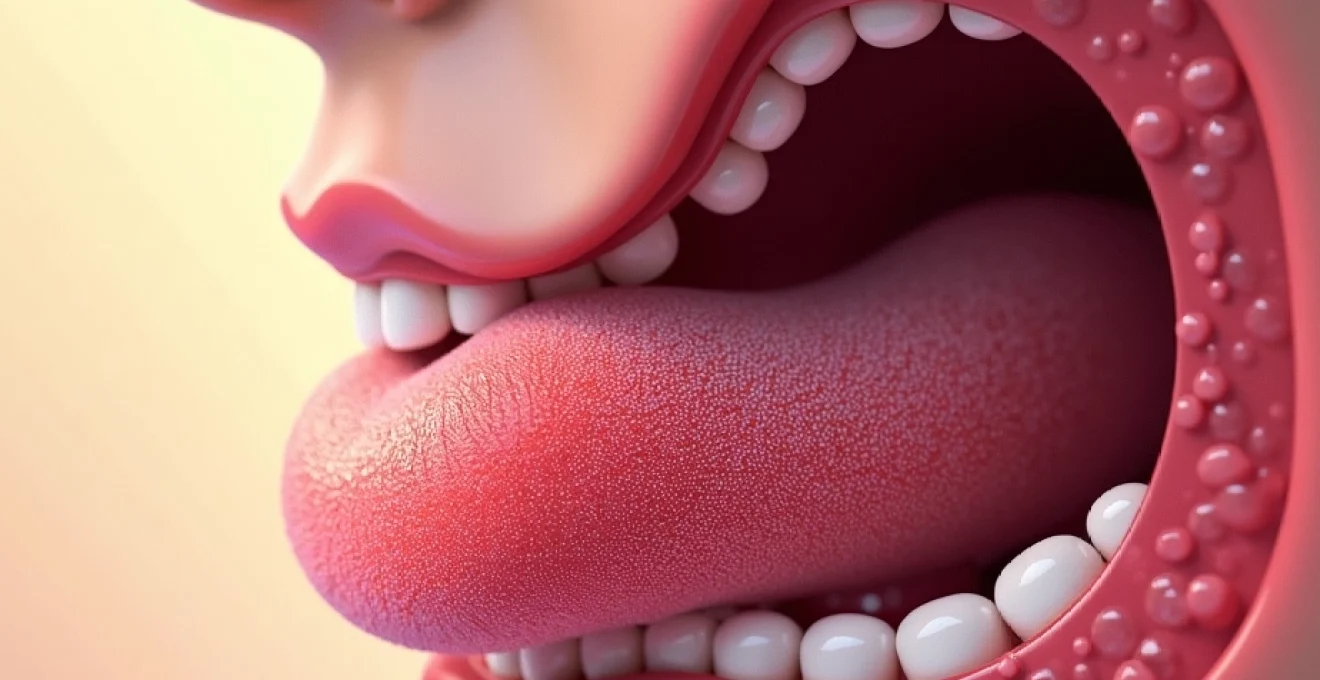
Tonsil stones, medically known as tonsilloliths, represent more than just an uncomfortable oral health concern—they can genuinely impact your overall wellbeing. These calcified deposits forming within the crypts of palatine tonsils affect approximately 25% of individuals with intact tonsils, yet their potential to cause systemic illness remains poorly understood by many patients. The relationship between these seemingly benign formations and broader health complications extends beyond simple bad breath or throat discomfort. Understanding the complex mechanisms through which tonsil stones can trigger inflammatory responses, bacterial infections, and chronic symptoms is crucial for recognising when these formations transition from minor nuisances to legitimate health concerns requiring medical intervention.
Tonsillolith formation and pathophysiology mechanisms
The development of tonsil stones follows a complex cascade of biological processes that begin with the unique anatomy of tonsillar tissue. These lymphoid structures serve as immunological gatekeepers, capturing and processing pathogens that enter through the oral cavity. However, this protective function creates an environment conducive to debris accumulation and subsequent calcification.
Cryptic tonsil architecture and debris accumulation processes
Tonsillar crypts represent invaginations of the epithelial surface that extend deep into the lymphoid tissue, creating numerous pockets and channels. These anatomical features vary significantly between individuals, with some people possessing particularly deep or numerous crypts that predispose them to stone formation. The cryptic architecture acts like a complex maze where food particles, dead epithelial cells, and bacterial debris become trapped and concentrated over time.
The accumulation process begins when normal oral activities such as eating, drinking, and swallowing introduce organic matter into these cryptic spaces. Unlike smooth oral surfaces that can be easily cleansed through saliva flow and mechanical action, the deep recesses of tonsillar crypts create stagnant environments where debris persists. This trapped material undergoes gradual decomposition, providing nutrients for bacterial proliferation and creating the foundation for mineralisation processes.
Bacterial biofilm development in tonsillar crypts
Within the protected environment of tonsillar crypts, bacteria establish sophisticated biofilm communities that resist normal clearance mechanisms. These biofilms consist of multiple bacterial species embedded within a protective matrix of extracellular polymers, creating microenvironments with distinct pH levels and oxygen concentrations. The biofilm structure shields bacteria from antimicrobial compounds and immune system responses, allowing for sustained colonisation and metabolic activity.
Research using advanced microscopy techniques has revealed that tonsil stone biofilms exhibit complex three-dimensional architectures with channels for nutrient flow and waste removal. This organised structure enables different bacterial species to occupy specific niches within the biofilm, creating a stable ecosystem that can persist for extended periods. The metabolic byproducts of these bacterial communities contribute significantly to the characteristic odour associated with tonsil stones and may trigger local inflammatory responses.
Calcium phosphate and carbonate mineralisation pathways
The transformation of organic debris into calcified tonsil stones involves intricate mineralisation processes similar to those observed in dental calculus formation. Calcium ions present in saliva and tissue fluids interact with phosphate and carbonate compounds released by bacterial metabolism and cellular breakdown. These interactions occur within the alkaline microenvironments created by bacterial biofilms, where pH conditions favour precipitation of calcium salts.
The mineralisation process typically begins with the formation of amorphous calcium phosphate deposits that gradually crystallise into more stable hydroxyapatite structures. This crystallisation process can take weeks to months, explaining why some tonsil stones appear soft and easily dislodged while others become rock-hard formations requiring mechanical intervention. The degree of mineralisation directly correlates with stone longevity and the difficulty of removal through conservative methods.
Anaerobic bacterial colonisation by prevotella and fusobacterium species
The deep recesses of tonsillar crypts create anaerobic conditions that favour the growth of specific bacterial species known for their pathogenic potential. Prevotella and Fusobacterium species represent dominant colonisers in tonsil stone biofilms, contributing significantly to both stone formation and associated symptoms. These anaerobic bacteria produce volatile sulphur compounds and other metabolites that generate the characteristic malodorous breath associated with tonsilloliths.
Fusobacterium nucleatum , in particular, demonstrates remarkable adhesive properties that enable it to bridge connections between different bacterial species within biofilms. This bridging function facilitates the development of complex polymicrobial communities that exhibit enhanced resistance to antimicrobial treatments. The metabolic activities of these bacterial communities can trigger local tissue irritation and contribute to the development of chronic inflammatory responses that extend beyond the immediate tonsillar region.
Clinical manifestations of Tonsillolith-Related systemic illness
The clinical presentation of tonsil stones extends far beyond the commonly recognised symptoms of bad breath and throat discomfort. Understanding the full spectrum of manifestations helps distinguish between simple stone presence and pathologically significant formations that require intervention. The systemic effects of tonsilloliths can manifest through various pathways, including direct bacterial dissemination, inflammatory mediator release, and neurological referred pain patterns.
Halitosis severity assessment using organoleptic measurements
Halitosis associated with tonsil stones represents one of the most socially impactful symptoms, often serving as the initial presentation that prompts medical consultation. The severity of breath odour correlates directly with the bacterial composition and metabolic activity within tonsil stones rather than simply stone size or number. Organoleptic assessment techniques, utilising trained evaluators to grade odour intensity on standardised scales, reveal that tonsil stone-associated halitosis typically scores higher than halitosis from other oral sources.
The characteristic smell results primarily from volatile sulphur compounds including hydrogen sulphide, methyl mercaptan, and dimethyl sulphide produced by anaerobic bacterial metabolism. These compounds possess extremely low odour thresholds, meaning even minimal concentrations create noticeable breath malodour. Studies demonstrate that individuals with chronic tonsil stones may exhibit volatile sulphur compound concentrations up to ten times higher than those observed in healthy controls, explaining the persistent nature of associated halitosis despite excellent oral hygiene practices.
Chronic inflammatory response and cytokine release patterns
Tonsil stones can trigger sustained inflammatory responses that extend beyond local tissue irritation to produce systemic symptoms resembling low-grade chronic illness. The persistent presence of bacterial biofilms stimulates continuous immune system activation, leading to elevated production of pro-inflammatory cytokines including interleukin-1β, tumor necrosis factor-α, and interleukin-6. These inflammatory mediators can produce systemic effects including fatigue, malaise, and generalised discomfort that patients may not directly associate with their tonsil stones.
Chronic inflammation associated with tonsilloliths creates a state of persistent immune activation that can contribute to feelings of general unwellness. The inflammatory cascade triggers the release of acute-phase proteins and stress hormones that influence energy metabolism, sleep patterns, and cognitive function. This explains why some individuals with chronic tonsil stones report symptoms such as persistent fatigue, difficulty concentrating, and mood changes that improve following successful stone management or tonsillectomy.
Oropharyngeal discomfort and globus sensation mechanisms
The globus sensation—a feeling of having something stuck in the throat—represents a common but often misunderstood symptom of tonsil stones. This sensation results from a combination of mechanical irritation, inflammatory tissue swelling, and altered sensory perception within the oropharyngeal region. The presence of calcified deposits can create physical obstruction sensations even when stones are not directly visible during examination.
Neurological pathways involved in globus sensation include branches of the glossopharyngeal and vagus nerves that innervate tonsillar tissue and surrounding structures. Chronic irritation from tonsil stones can sensitise these neural pathways, creating persistent discomfort sensations that may fluctuate in intensity but rarely completely resolve without addressing the underlying stone formation. The psychological impact of chronic globus sensation should not be underestimated, as persistent throat discomfort can significantly affect quality of life and contribute to anxiety about swallowing or throat-related symptoms.
Secondary bacterial infections and peritonsillar complications
Tonsil stones serve as bacterial reservoirs that can seed secondary infections throughout the oropharyngeal region and beyond. The concentrated bacterial populations within stones can overwhelm local immune defenses during periods of stress, illness, or immunosuppression, leading to acute tonsillitis, pharyngitis, or more serious peritonsillar infections. These secondary infections often present with fever, severe throat pain, difficulty swallowing, and systemic illness symptoms that clearly demonstrate the pathogenic potential of tonsilloliths.
Peritonsillar abscess formation represents the most serious complication associated with chronic tonsil stones, occurring when bacterial infection spreads from the tonsillar crypts into surrounding soft tissues. This condition requires urgent medical intervention and can lead to airway compromise, sepsis, or deep neck space infections if not promptly treated. The risk of such complications increases with stone size, bacterial load, and individual immune status, highlighting the importance of monitoring and managing problematic tonsil stones before complications develop.
Diagnostic imaging and clinical examination protocols
Accurate diagnosis of tonsil stones and assessment of their potential to cause systemic illness requires a systematic approach combining clinical examination, imaging studies, and laboratory investigations. The diagnostic process must differentiate between simple stone presence and pathologically significant formations that contribute to patient symptoms. Understanding the various diagnostic modalities available enables healthcare providers to develop targeted treatment strategies and monitor treatment effectiveness.
Clinical examination begins with comprehensive oral and pharyngeal assessment using direct visualisation and palpation techniques. Many tonsil stones remain hidden within deep cryptic recesses and may not be visible during routine examination, necessitating systematic exploration of all tonsillar surfaces. Digital photography and endoscopic visualisation can document stone locations and characteristics, providing valuable information for treatment planning and monitoring progression over time.
Advanced imaging techniques offer superior sensitivity for detecting calcified deposits that may not be apparent during clinical examination. Panoramic radiographs can identify larger, heavily mineralised stones as radiopaque lesions overlying the tonsillar regions, though smaller or less calcified stones may not be visible on conventional radiographic images. Computed tomography scanning provides the most comprehensive assessment of tonsil stone burden, revealing both the number and precise anatomical locations of stones throughout the tonsillar crypts.
Three-dimensional cone beam computed tomography represents an emerging diagnostic tool that offers excellent resolution for visualising tonsillar anatomy and stone distribution while minimising radiation exposure compared to conventional CT scanning. This technology enables precise measurement of stone volume and assessment of cryptic architecture, providing valuable information for surgical planning when conservative treatments prove inadequate. The ability to visualise stone distribution in three dimensions helps predict treatment outcomes and identify patients most likely to benefit from specific interventions.
Diagnostic imaging serves not only to confirm tonsil stone presence but also to assess the severity of associated tissue changes and predict the likelihood of symptom resolution with various treatment approaches.
Microbiological analysis and laboratory investigations
Laboratory analysis of tonsil stones provides crucial insights into their bacterial composition, antimicrobial susceptibility patterns, and potential for causing systemic illness. Understanding the microbiological characteristics of individual stone formations enables targeted therapeutic interventions and helps predict treatment outcomes. The complex polymicrobial nature of tonsil stone biofilms requires sophisticated analytical techniques to fully characterise bacterial populations and their metabolic activities.
16S rRNA gene sequencing for bacterial identification
Modern molecular diagnostic techniques utilising 16S ribosomal RNA gene sequencing have revolutionised understanding of tonsil stone microbiology. This culture-independent approach reveals bacterial diversity that traditional culture methods cannot detect, identifying numerous anaerobic species that resist laboratory cultivation. Sequencing studies consistently demonstrate that tonsil stones harbour complex polymicrobial communities dominated by anaerobic gram-negative bacteria, with significant individual variation in specific species composition.
The application of next-generation sequencing technologies enables quantitative assessment of bacterial populations within tonsil stones, revealing relative abundances of different species and their potential contributions to symptom development. These analyses frequently identify bacterial species associated with periodontal disease, suggesting shared pathogenic mechanisms between tonsil stones and other oral inflammatory conditions. Understanding bacterial composition through molecular techniques guides antimicrobial selection and helps predict treatment responses.
Volatile sulphur compound detection methods
Quantitative measurement of volatile sulphur compounds produced by tonsil stone bacteria provides objective assessment of their contribution to halitosis and potential for systemic effects. Gas chromatographic analysis can identify and quantify specific sulphur compounds including hydrogen sulphide, methyl mercaptan, and dimethyl sulphide at concentrations well below human odour detection thresholds. This analytical approach enables monitoring of treatment effectiveness and correlation of bacterial metabolic activity with symptom severity.
Portable sulphide monitoring devices offer point-of-care assessment of volatile sulphur compound concentrations, enabling real-time evaluation of treatment responses and patient counselling regarding expected outcomes. These measurements demonstrate clear correlations between bacterial load, metabolic activity, and breath malodour intensity, providing objective validation of patient symptoms and treatment necessity. Regular monitoring can guide treatment adjustments and identify early signs of stone recurrence before clinically apparent symptoms develop.
Inflammatory biomarker assessment through C-Reactive protein testing
Systemic inflammatory markers provide valuable insights into the potential for tonsil stones to cause generalised illness symptoms. Elevated C-reactive protein concentrations may indicate significant inflammatory responses to chronic bacterial colonisation, particularly in patients reporting systemic symptoms such as fatigue or malaise. Serial biomarker measurements can monitor treatment responses and identify individuals with heightened inflammatory responses to tonsil stone bacteria.
Additional inflammatory markers including erythrocyte sedimentation rate, white blood cell count, and specific cytokine concentrations may reveal patterns consistent with chronic low-grade inflammation. These findings help differentiate between patients with simple stone presence and those experiencing clinically significant inflammatory responses requiring active treatment. Correlation of inflammatory markers with symptom severity guides treatment intensity and monitoring frequency.
Evidence-based treatment modalities and intervention strategies
Treatment approaches for tonsil stones must address both immediate symptom relief and long-term prevention of recurrence, particularly when stones contribute to systemic illness symptoms. The selection of appropriate interventions depends on stone characteristics, symptom severity, patient factors, and response to previous treatments. Understanding the evidence base for different therapeutic options enables healthcare providers to develop personalised treatment plans that maximise efficacy while minimising unnecessary interventions.
Conservative management represents the first-line approach for most patients with tonsil stones, focusing on mechanical removal techniques and measures to prevent recurrence. Regular saline gargling, oral irrigation devices, and gentle manual removal can effectively manage smaller stones while promoting improved oral hygiene practices. These approaches prove most effective when combined with antimicrobial mouth rinses and dietary modifications that reduce bacterial substrate availability within tonsillar crypts.
Antimicrobial therapy may provide temporary relief for patients experiencing acute symptoms or secondary infections associated with tonsil stones. However, the biofilm structure of bacterial communities within stones often renders systemic antibiotics ineffective for long-term management. Topical antimicrobial agents, including chlorhexidine rinses and antiseptic gargles, may provide better penetration into cryptic spaces while minimising systemic side effects and antibiotic resistance development.
Minimally invasive surgical techniques offer effective solutions for patients with recurrent stones or chronic symptoms that significantly impact quality of life. Laser cryptolysis procedures can modify tonsillar architecture to reduce stone formation while preserving immune function, demonstrating success rates exceeding 80% in appropriate candidates. These procedures typically require only local anaesthesia and involve minimal postoperative discomfort compared to traditional tonsillectomy approaches.
Complete tonsillectomy remains the definitive treatment for severe cases with recurrent complications or persistent systemic symptoms despite conservative management. While this approach eliminates stone recurrence, it also removes important immune tissue and involves greater surgical risks and recovery time. Patient selection for tonsillectomy should consider symptom severity, impact on quality of life, response to previous treatments, and individual surgical risk factors.
The key to successful tonsil stone management lies in matching treatment intensity to symptom severity while considering individual patient factors and treatment goals.
Long-term health complications and prognosis assessment
The long-term health implications of chronic tonsil stones extend beyond immediate symptom management to encompass broader considerations of immune function, inflammatory status, and quality of life. Understanding the natural history of tonsillolith formation and associated complications enables better prognostic assessment and treatment planning. Research evidence suggests that untreated chronic tonsil stones may contribute to sustained inflammatory states with potential systemic consequences, though serious complications remain relatively uncommon in most patients.
Chronic inflammatory responses associated with persistent tons
il stone formation can compromise normal tonsillar immune surveillance functions, potentially reducing the body’s ability to respond effectively to new respiratory pathogens. Studies examining immunological parameters in patients with chronic tonsilloliths reveal altered cytokine profiles and reduced antimicrobial peptide production within affected tonsillar tissue. These changes may predispose individuals to more frequent or severe respiratory tract infections, creating a cycle where compromised immune function perpetuates stone formation and bacterial colonisation.
The relationship between chronic tonsil stones and cardiovascular health represents an emerging area of research interest, with preliminary studies suggesting possible connections between oral bacterial loads and systemic inflammatory markers associated with cardiovascular disease risk. The anaerobic bacteria predominant in tonsil stones share characteristics with periodontal pathogens that have been implicated in atherosclerotic processes. While definitive causal relationships remain unestablished, the potential for chronic bacterial reservoirs to contribute to systemic inflammatory burden warrants consideration in patients with multiple cardiovascular risk factors.
Quality of life assessments demonstrate significant impacts of chronic tonsil stones on social functioning, professional performance, and psychological wellbeing. The persistent halitosis associated with these formations can lead to social isolation, reduced self-confidence, and avoidance of close interpersonal interactions. Many patients report significant anxiety about their breath odour, leading to compensatory behaviours such as excessive use of oral hygiene products, social withdrawal, or avoidance of speaking in close proximity to others. These psychological impacts can persist even after successful stone treatment, requiring comprehensive counselling and support.
Recurrence patterns following various treatments provide important prognostic information for patient counselling and treatment selection. Conservative management approaches typically achieve symptom relief in 60-70% of patients, though stone recurrence within two years occurs in approximately 40% of cases. Surgical interventions demonstrate more durable outcomes, with laser cryptolysis achieving sustained symptom resolution in 80-85% of patients at five-year follow-up. Complete tonsillectomy eliminates stone recurrence but involves permanent alteration of oropharyngeal anatomy and immune function that may have long-term consequences not yet fully understood.
Age-related changes in tonsillar anatomy and immune function influence both stone formation patterns and treatment outcomes across different life stages. Older adults may experience increased stone formation due to reduced salivary flow, medication effects, and age-related changes in tissue architecture, while simultaneously facing increased surgical risks from comorbid conditions. Paediatric patients typically demonstrate excellent responses to conservative treatments and may experience spontaneous resolution as tonsillar tissue undergoes natural involution during adolescence.
Monitoring strategies for patients with chronic tonsil stones should include regular assessment of symptom severity, bacterial load indicators, and inflammatory markers to identify early signs of complications or treatment failure. Annual evaluation of stone burden through clinical examination and selective imaging can guide treatment adjustments and identify candidates for more definitive interventions. Patient education regarding warning signs of complications, including fever, severe throat pain, difficulty swallowing, or breathing problems, ensures prompt recognition and treatment of serious adverse events.
Long-term management of tonsil stones requires balancing symptom control with preservation of immune function, while carefully monitoring for signs of complications that may necessitate more aggressive interventions.
The prognosis for most patients with tonsil stones remains generally favourable, with appropriate treatment providing significant symptom improvement and prevention of serious complications. However, individual outcomes depend heavily on patient factors including age, immune status, tonsillar anatomy, compliance with treatment recommendations, and response to initial interventions. Understanding these prognostic factors enables healthcare providers to set realistic expectations and develop personalised monitoring and treatment strategies that optimise long-term outcomes while minimising unnecessary interventions.