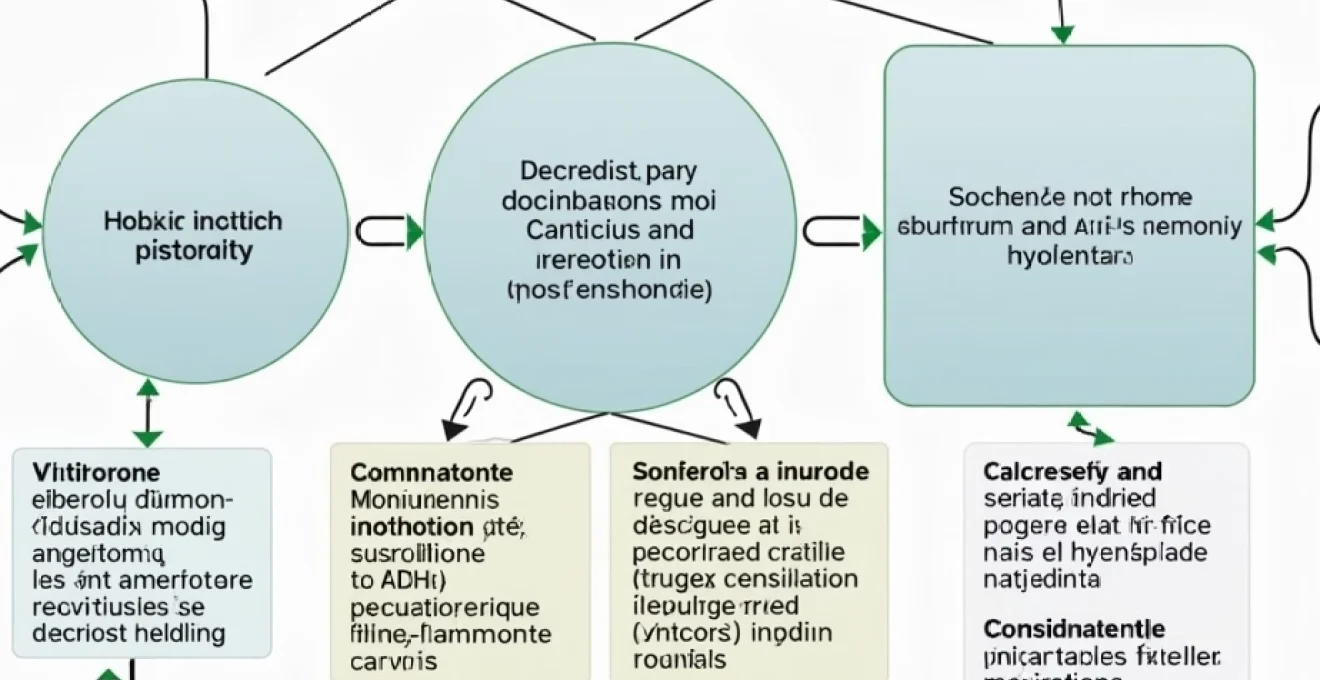
Hypothyroidism, characterised by insufficient thyroid hormone production, affects numerous bodily functions beyond the commonly recognised symptoms of fatigue and weight gain. One of the most significant yet often overlooked manifestations of thyroid dysfunction is fluid retention, which can present as various forms of oedema throughout the body. The intricate relationship between thyroid hormones and fluid balance mechanisms makes understanding this connection crucial for both healthcare providers and patients managing thyroid disorders.
The thyroid gland produces hormones that regulate metabolism, cardiovascular function, and cellular processes throughout the body. When thyroid hormone levels drop below optimal ranges, the resulting physiological changes can disrupt normal fluid regulation, leading to characteristic patterns of swelling and tissue changes. This connection between hypothyroidism and oedema represents a complex interplay of hormonal, cardiovascular, and renal factors that requires careful examination to understand fully.
Thyroid hormone regulation and fluid balance mechanisms
Thyroid hormones play a fundamental role in maintaining proper fluid balance within the human body through multiple interconnected pathways. These hormones directly influence renal function, cardiovascular performance, and cellular metabolism, all of which contribute to the regulation of bodily fluids. Understanding these mechanisms provides insight into why hypothyroidism frequently results in various forms of fluid retention and tissue swelling.
The relationship between thyroid function and fluid homeostasis extends beyond simple hormone deficiency. Thyroid hormones act as master regulators of numerous physiological processes that maintain proper hydration levels and prevent pathological fluid accumulation. When these hormones become deficient, multiple compensatory mechanisms activate, sometimes leading to paradoxical fluid retention despite the body’s attempts to maintain balance.
Thyroxine (T4) and triiodothyronine (T3) impact on renal sodium handling
The kidneys serve as primary regulators of fluid balance, and thyroid hormones significantly influence renal sodium handling mechanisms. T3 and T4 directly affect sodium-potassium pump activity in renal tubular cells, influencing how the kidneys process and retain sodium. In hypothyroid states, reduced thyroid hormone levels impair normal sodium excretion, leading to increased sodium retention and subsequent fluid accumulation in tissues.
Research demonstrates that hypothyroidism reduces glomerular filtration rate and alters tubular function, affecting the kidney’s ability to maintain proper electrolyte balance. This dysfunction contributes to the characteristic fluid retention patterns observed in thyroid hormone deficiency. The reduction in renal blood flow, combined with altered sodium handling, creates conditions conducive to oedema development, particularly in dependent areas of the body.
Aldosterone-renin-angiotensin system dysregulation in hypothyroidism
Hypothyroidism significantly affects the renin-angiotensin-aldosterone system (RAAS), a crucial regulatory pathway for blood pressure and fluid balance. Thyroid hormone deficiency leads to reduced cardiac output and decreased renal perfusion, triggering compensatory RAAS activation. This activation results in increased aldosterone production, promoting sodium retention and fluid accumulation in the interstitial spaces.
The dysregulation of this system creates a cascade effect where the body attempts to maintain blood pressure through fluid retention mechanisms. However, this compensatory response often becomes maladaptive in hypothyroid patients, leading to excessive fluid retention that manifests as peripheral oedema. The interaction between reduced thyroid hormones and RAAS activation explains why many hypothyroid patients experience both cardiovascular symptoms and fluid retention simultaneously.
Antidiuretic hormone (ADH) secretion abnormalities in thyroid dysfunction
Antidiuretic hormone regulation becomes compromised in hypothyroid states, contributing to altered water balance and potential fluid retention. Thyroid hormones influence ADH sensitivity and secretion patterns, affecting the body’s ability to concentrate urine and maintain proper water homeostasis. In hypothyroidism, impaired ADH regulation can lead to inappropriate water retention, particularly during periods of stress or illness.
The relationship between thyroid hormones and ADH function demonstrates the complex nature of fluid balance disorders in thyroid dysfunction. Patients with severe hypothyroidism may develop hyponatraemia due to impaired water excretion, further complicating fluid balance and potentially exacerbating oedema formation. This mechanism particularly affects central fluid distribution and can contribute to facial and periorbital swelling characteristic of myxoedema.
Capillary permeability changes in thyroid hormone deficiency
Thyroid hormones maintain normal capillary integrity and permeability through their effects on endothelial cell function and basement membrane composition. In hypothyroid states, increased capillary permeability allows excessive protein and fluid leakage into interstitial spaces. This increased permeability, combined with reduced lymphatic drainage efficiency, creates ideal conditions for tissue oedema development.
The structural changes in blood vessels associated with hypothyroidism include thickening of capillary basement membranes and altered endothelial cell metabolism. These modifications compromise normal fluid exchange between intravascular and interstitial compartments. Think of it as a garden hose with tiny holes – fluid continuously leaks out where it shouldn’t, gradually accumulating in surrounding tissues and creating the characteristic swelling patterns observed in hypothyroid patients.
Clinical manifestations of Hypothyroid-Related oedema
The clinical presentation of oedema in hypothyroidism differs significantly from other causes of fluid retention, displaying unique characteristics that aid in diagnosis and management. Healthcare providers must recognise these distinctive patterns to provide appropriate treatment and avoid misdiagnosis. The manifestations range from subtle tissue changes to dramatic swelling that can significantly impact patient quality of life and functional capacity.
Understanding the various forms of hypothyroid-related oedema helps differentiate thyroid dysfunction from other causes of fluid retention. Each type of swelling tells a story about the underlying pathophysiological processes occurring within the body. Recognition of these patterns enables more targeted therapeutic approaches and better patient outcomes through appropriate thyroid hormone replacement therapy.
Myxoedema: hyaluronic acid accumulation in subcutaneous tissues
Myxoedema represents the most characteristic form of tissue changes associated with severe hypothyroidism, involving the accumulation of glycosaminoglycans, particularly hyaluronic acid, in subcutaneous tissues. This accumulation creates a distinctive non-pitting swelling that differs markedly from typical fluid retention. The affected tissues feel firm, doughy, and do not indent when pressure is applied, unlike conventional oedema.
The pathophysiology of myxoedema involves altered metabolism of ground substance components in connective tissue. Hyaluronic acid and other mucopolysaccharides accumulate due to reduced degradation rates and altered synthesis patterns in the absence of adequate thyroid hormone. This process primarily affects the face, hands, and feet, creating the characteristic appearance associated with severe hypothyroidism.
The accumulation of mucopolysaccharides in myxoedema creates tissue changes that can persist for weeks to months even after thyroid hormone replacement begins, requiring patience during treatment initiation.
Pretibial and periorbital oedema distribution patterns
Hypothyroid patients frequently develop characteristic oedema patterns, particularly affecting the pretibial region and periorbital areas. Pretibial oedema in hypothyroidism often presents as bilateral, symmetrical swelling that may initially appear similar to cardiac oedema but demonstrates different characteristics upon closer examination. The swelling typically develops gradually and may be accompanied by skin texture changes and reduced skin elasticity.
Periorbital oedema represents another hallmark of hypothyroid fluid retention, often presenting as morning facial puffiness that may improve throughout the day. This pattern differs from renal causes of facial swelling, which typically persist throughout the day. The periorbital swelling in hypothyroidism often extends to involve the entire facial region, creating the characteristic facial appearance associated with myxoedema.
Differentiation from cardiac and renal oedema presentations
Distinguishing hypothyroid oedema from cardiac and renal causes requires careful assessment of clinical presentation, timing, and associated symptoms. Cardiac oedema typically presents with orthopnoea, paroxysmal nocturnal dyspnoea, and elevated jugular venous pressure, features often absent in isolated hypothyroid oedema. Additionally, cardiac oedema usually demonstrates clear gravitational dependence, worsening with upright posture and improving with elevation.
Renal oedema characteristically presents with facial swelling, particularly around the eyes, but unlike hypothyroid oedema, it typically accompanies proteinuria, haematuria, or elevated serum creatinine levels. The timing of renal oedema often relates to salt intake and fluid consumption patterns, whereas hypothyroid oedema remains relatively constant regardless of dietary factors. The key lies in recognising the constellation of symptoms rather than relying on oedema patterns alone for diagnosis.
Pitting versus Non-Pitting oedema characteristics in hashimoto’s disease
The distinction between pitting and non-pitting oedema in Hashimoto’s disease provides valuable diagnostic information about the underlying pathophysiology and severity of thyroid dysfunction. Early-stage hypothyroid oedema may demonstrate pitting characteristics, where pressure application leaves a temporary indentation in the affected tissue. However, as the condition progresses and myxoedematous changes develop, the oedema becomes increasingly non-pitting due to protein and mucopolysaccharide accumulation.
In Hashimoto’s disease, the autoimmune component may contribute to additional inflammatory changes that affect oedema characteristics. The chronic inflammation associated with autoimmune thyroiditis can alter tissue composition and response to pressure testing. Patients may experience fluctuating oedema patterns that correlate with periods of increased autoimmune activity or varying degrees of thyroid hormone deficiency.
Pathophysiology of fluid retention in primary hypothyroidism
The mechanisms underlying fluid retention in primary hypothyroidism involve complex interactions between cardiovascular, renal, and metabolic systems. Understanding these pathophysiological processes provides insight into why fluid accumulation occurs and how thyroid hormone replacement therapy effectively addresses these issues. The multisystem involvement explains the diverse clinical presentations and the need for comprehensive management approaches in affected patients.
Primary hypothyroidism creates a cascade of physiological changes that predispose patients to fluid retention through multiple pathways. The body’s attempt to maintain homeostasis in the face of thyroid hormone deficiency often results in compensatory mechanisms that paradoxically worsen fluid balance. These complex interactions require careful consideration when developing treatment strategies for affected patients.
Decreased cardiac output and reduced glomerular filtration rate
Hypothyroidism significantly impacts cardiovascular function, leading to decreased cardiac contractility, reduced heart rate, and diminished cardiac output. These cardiovascular changes directly affect renal perfusion, resulting in reduced glomerular filtration rate and impaired kidney function. The reduction in renal blood flow triggers compensatory mechanisms that promote sodium and water retention, contributing to oedema formation.
The relationship between cardiac function and renal performance in hypothyroidism creates a cycle where reduced cardiac output leads to decreased kidney function, which in turn promotes fluid retention that further challenges cardiovascular performance. This cycle can be particularly problematic in elderly patients or those with pre-existing cardiovascular disease, where the additional fluid burden may precipitate heart failure or worsen existing cardiac conditions.
Glycosaminoglycan deposition in interstitial spaces
One of the most distinctive features of hypothyroid fluid retention involves the accumulation of glycosaminoglycans, particularly hyaluronic acid, in interstitial spaces throughout the body. This accumulation occurs due to altered synthesis and degradation rates of these complex carbohydrate molecules in the absence of adequate thyroid hormone. The process affects skin, muscles, and other soft tissues, creating the characteristic tissue changes associated with myxoedema.
The deposition of glycosaminoglycans creates a unique form of tissue swelling that differs from conventional fluid retention. Hyaluronic acid has remarkable water-binding capacity, with each molecule capable of binding hundreds of times its weight in water. This property explains why myxoedematous tissues feel firm and non-compressible despite containing excess fluid. The process reverses slowly with thyroid hormone replacement, often requiring months for complete resolution.
Impaired lymphatic drainage in severe myxoedema
Severe hypothyroidism compromises lymphatic system function, reducing the body’s ability to clear excess fluid and proteins from interstitial spaces. Thyroid hormones play crucial roles in maintaining lymphatic vessel integrity and promoting efficient lymph flow. In their absence, lymphatic drainage becomes sluggish, allowing fluid and protein accumulation in tissues that would normally be cleared by functional lymphatic circulation.
The impairment of lymphatic function in hypothyroidism creates conditions similar to lymphoedema, where protein-rich fluid accumulates in interstitial spaces. This accumulation stimulates further glycosaminoglycan production and deposition, creating a self-perpetuating cycle of tissue swelling. Understanding this mechanism helps explain why some hypothyroid patients develop persistent oedema that requires extended treatment periods for complete resolution.
Lymphatic dysfunction in severe hypothyroidism can contribute to delayed healing and increased susceptibility to infections in affected tissues, making comprehensive thyroid hormone replacement essential for optimal recovery.
Metabolic acidosis and electrolyte imbalances contributing to fluid retention
Hypothyroidism frequently leads to metabolic acidosis and various electrolyte imbalances that contribute to fluid retention and oedema formation. Reduced cellular metabolism affects acid-base balance, while impaired renal function compromises the body’s ability to maintain proper electrolyte concentrations. These metabolic disturbances create additional driving forces for fluid accumulation in tissues.
The development of hyponatraemia in severe hypothyroidism represents a particular concern, as it reflects impaired free water clearance and inappropriate ADH activity. This condition can worsen oedema and create additional clinical complications, including neurological symptoms and cardiovascular instability. The correction of electrolyte imbalances often requires careful coordination with thyroid hormone replacement therapy to avoid precipitating additional complications during treatment initiation.
Diagnostic approaches for Hypothyroid-Associated oedema
Accurate diagnosis of hypothyroid-related oedema requires comprehensive evaluation combining clinical assessment, laboratory testing, and imaging studies when appropriate. The diagnostic approach must differentiate thyroid-related fluid retention from other causes while assessing the severity of thyroid dysfunction and its systemic effects. Early recognition and proper evaluation enable timely treatment initiation and prevent progression to more severe forms of thyroid-related complications.
Modern diagnostic approaches integrate multiple assessment modalities to provide comprehensive evaluation of both thyroid function and fluid balance status. The goal extends beyond simple thyroid hormone measurement to include assessment of cardiovascular function, renal status, and tissue composition changes. This comprehensive approach ensures appropriate treatment planning and monitoring strategies for optimal patient outcomes.
Thyroid-stimulating hormone (TSH) and free T4 laboratory correlations
Laboratory evaluation of thyroid function provides the foundation for diagnosing hypothyroid-related oedema through measurement of TSH and free T4 levels. Elevated TSH levels combined with reduced free T4 concentrations confirm primary hypothyroidism, while the degree of elevation correlates with severity of thyroid dysfunction and likelihood of developing oedema. Patients with TSH levels above 10 mIU/L demonstrate increased risk for developing significant fluid retention and myxoedematous changes.
The correlation between laboratory values and clinical presentation of oedema helps guide treatment intensity and monitoring frequency. Severe hypothyroidism, defined by TSH levels exceeding 20 mIU/L with markedly reduced free T4, often presents with significant oedema requiring careful thyroid hormone replacement initiation. Additional laboratory markers, including reverse T3 and thyroid antibodies, provide supplementary information about thyroid dysfunction severity and autoimmune involvement.
Echocardiographic assessment of pericardial effusion
Echocardiographic evaluation plays a crucial role in assessing cardiovascular complications of hypothyroidism, particularly the development of pericardial effusion. This cardiac complication occurs frequently in severe hypothyroidism and contributes to cardiovascular compromise and fluid retention. Echocardiography provides non-invasive assessment of pericardial fluid accumulation, cardiac function, and ventricular performance
, stroke volume, and overall cardiac performance in hypothyroid patients.Pericardial effusion develops in approximately 50-80% of patients with severe hypothyroidism, representing one of the most common cardiac complications of thyroid hormone deficiency. The effusion typically accumulates slowly, allowing the pericardium to stretch gradually without causing acute hemodynamic compromise. However, large effusions can contribute to reduced venous return and worsen fluid retention patterns throughout the body.
Bioelectrical impedance analysis for fluid distribution assessment
Bioelectrical impedance analysis (BIA) provides valuable insights into fluid distribution patterns in hypothyroid patients, allowing quantitative assessment of total body water, extracellular fluid volume, and tissue composition changes. This non-invasive technique measures electrical conductivity through body tissues, providing objective data about fluid accumulation and distribution that complements clinical examination findings.
In hypothyroid patients, BIA typically demonstrates increased extracellular fluid volume with altered phase angle measurements reflecting tissue composition changes associated with glycosaminoglycan accumulation. The technology essentially maps the body’s electrical landscape, revealing areas of abnormal fluid distribution that may not be clinically apparent during early stages of thyroid dysfunction. Serial BIA measurements can monitor treatment response and guide therapeutic adjustments during thyroid hormone replacement therapy.
The integration of BIA with traditional clinical assessment enhances diagnostic accuracy and provides objective metrics for monitoring treatment progress. Patients with myxoedematous changes demonstrate characteristic BIA patterns that differ from conventional oedema, helping differentiate thyroid-related fluid retention from other causes. This technology proves particularly valuable in monitoring elderly patients or those with multiple comorbidities where clinical assessment alone may be challenging.
Treatment protocols and levothyroxine response patterns
Effective management of hypothyroid-related oedema requires careful thyroid hormone replacement therapy with attention to dosing protocols, monitoring strategies, and expected response timelines. The treatment approach must balance the need for symptom relief with the risk of precipitating cardiovascular complications in patients with significant fluid retention and potential cardiac involvement.
Levothyroxine replacement therapy represents the standard treatment for hypothyroidism-associated oedema, with dosing strategies adapted to individual patient characteristics and severity of thyroid dysfunction. Initial dosing typically ranges from 25-50 micrograms daily in elderly patients or those with cardiovascular disease, while younger, healthy individuals may start with 50-100 micrograms daily. The gradual dose escalation prevents cardiovascular complications while allowing physiological adaptation to increasing thyroid hormone levels.
Response patterns to levothyroxine therapy follow predictable timelines, with initial improvements in energy levels and mood occurring within 2-4 weeks of treatment initiation. However, oedema resolution often requires longer treatment periods, particularly in patients with severe myxoedematous changes. Conventional pitting oedema typically begins resolving within 4-6 weeks of achieving therapeutic thyroid hormone levels, while non-pitting myxoedematous swelling may require 3-6 months for complete resolution.
The resolution of myxoedema follows the principle of “last in, first out” – areas that developed swelling most recently tend to resolve first, while long-standing tissue changes require extended treatment periods for complete recovery.
Monitoring protocols during levothyroxine therapy include regular assessment of thyroid function tests, cardiovascular status, and fluid balance parameters. TSH levels should be checked 6-8 weeks after dose adjustments, with target ranges typically between 0.4-2.5 mIU/L for most patients. Clinical assessment should include regular evaluation of oedema patterns, weight changes, and cardiovascular symptoms to guide treatment optimization.
Some patients may require adjunctive therapies during the initial treatment period, particularly those with severe fluid retention or cardiovascular complications. Gentle diuretic therapy may be considered in cases with significant peripheral oedema, though care must be taken to avoid volume depletion that could worsen renal function. The key lies in supporting the body while thyroid hormone replacement addresses the underlying cause of fluid retention.
Complications and long-term management considerations
Long-term management of patients with hypothyroid-related oedema requires ongoing monitoring for potential complications and optimization of treatment strategies to prevent recurrence of fluid retention. The complexity of thyroid-fluid balance interactions necessitates comprehensive care approaches that address both immediate symptoms and long-term health outcomes.
Cardiovascular complications represent the most significant concern in patients with hypothyroid oedema, particularly those with pre-existing heart disease or elderly individuals. The combination of fluid retention, reduced cardiac output, and potential pericardial effusion can precipitate heart failure or worsen existing cardiac conditions. Regular echocardiographic monitoring helps identify developing complications before they become clinically significant, enabling proactive management adjustments.
Skin and soft tissue complications may develop in patients with prolonged myxoedematous changes, including increased susceptibility to infections, delayed wound healing, and persistent cosmetic changes. The altered tissue composition associated with glycosaminoglycan accumulation creates an environment conducive to bacterial growth while impairing normal immune responses. Proper skin care and infection prevention strategies become essential components of comprehensive management.
The development of treatment resistance or incomplete response to standard levothyroxine therapy occurs in some patients, requiring investigation of potential underlying factors. Malabsorption issues, drug interactions, or concurrent autoimmune conditions may interfere with thyroid hormone replacement effectiveness. Sometimes the body needs additional support beyond simple hormone replacement to achieve optimal fluid balance restoration.
Psychological and social impacts of chronic oedema should not be overlooked in long-term management planning. Many patients experience significant distress related to physical appearance changes, functional limitations, and chronic discomfort associated with tissue swelling. Providing appropriate support resources and realistic expectations about recovery timelines helps patients cope with the gradual improvement process inherent in myxoedema resolution.
Prevention of recurrence requires lifelong adherence to thyroid hormone replacement therapy with regular monitoring to maintain optimal thyroid function. Patients must understand the importance of consistent medication compliance and regular follow-up care to prevent return of hypothyroid symptoms, including fluid retention. Educational initiatives should emphasize the progressive nature of untreated hypothyroidism and the potential for serious complications if treatment is discontinued or inadequately maintained.
Emerging treatment approaches, including combination thyroid hormone therapy and targeted therapies for autoimmune thyroiditis, may offer additional options for patients with complex presentations or incomplete responses to standard treatment. Research continues to explore optimal treatment protocols and identify factors that predict treatment success, potentially leading to more personalized management approaches in the future. The integration of new diagnostic technologies and treatment modalities promises continued improvements in outcomes for patients with hypothyroid-related oedema.