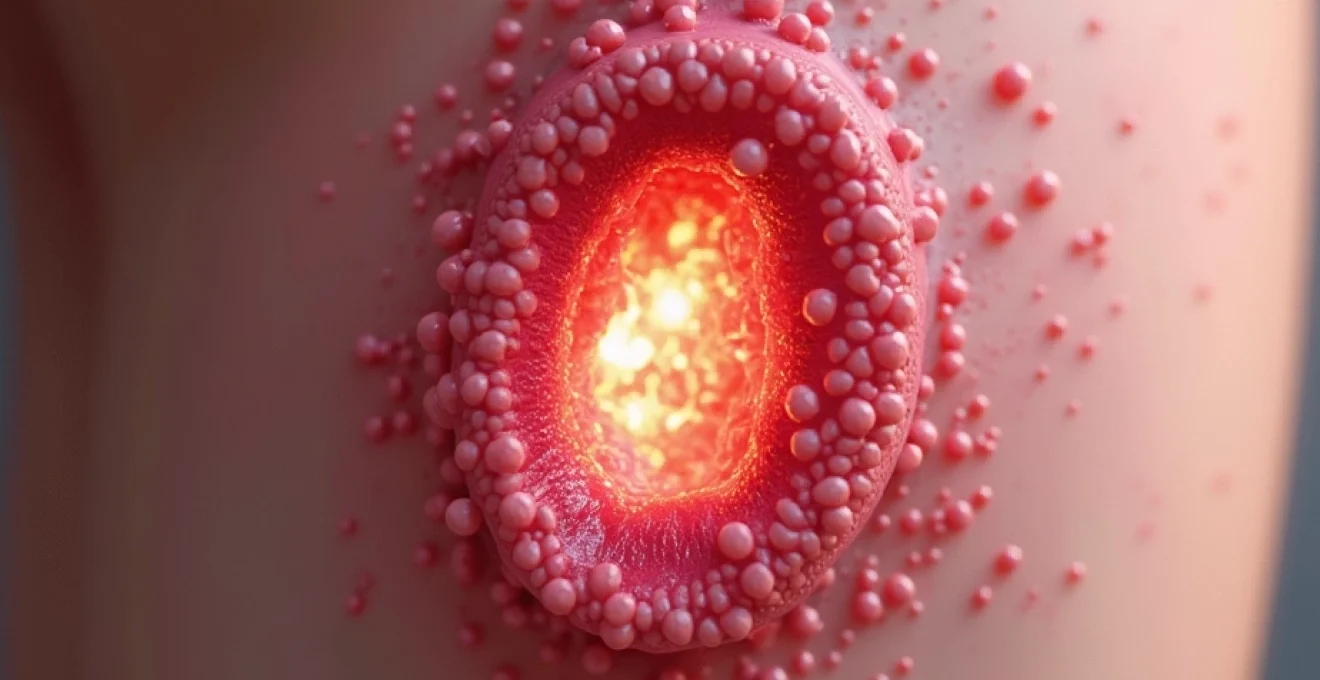
Penile friction burns represent a commonly encountered urological concern that affects men of all ages, typically resulting from vigorous sexual activity, aggressive masturbation, or prolonged contact with abrasive materials. These superficial thermal injuries occur when repetitive mechanical friction generates sufficient heat to damage the delicate epithelial layers of penile skin. While often dismissed as minor inconveniences, friction burns on the penis require proper medical attention to prevent complications such as secondary bacterial infections, delayed healing, and potential scarring. The sensitive nature of penile tissue makes it particularly susceptible to friction-induced trauma, with the glans and foreskin being most vulnerable areas. Understanding the pathophysiology, appropriate treatment modalities, and evidence-based therapeutic interventions is crucial for optimal patient outcomes and prevention of long-term complications.
Pathophysiology and clinical presentation of penile friction burns
The mechanism underlying penile friction burns involves the conversion of mechanical energy into thermal energy through repeated surface contact. When the coefficient of friction between two surfaces exceeds the skin’s tolerance threshold, microscopic tissue damage occurs at the cellular level. This process typically begins with disruption of the stratum corneum, the outermost protective layer of the epidermis, followed by progressive damage to deeper epidermal layers. The physics equation for friction force (F = μN, where μ represents the coefficient of friction and N represents the normal force) demonstrates how increased pressure and reduced lubrication contribute to tissue injury.
Epidermal and dermal tissue damage mechanisms in genital friction injuries
The initial phase of friction burn development involves mechanical disruption of keratinocytes within the stratum corneum. As friction continues, thermal energy accumulates, causing protein denaturation and cellular membrane damage. The thin nature of penile skin, measuring approximately 0.5-0.8mm in thickness, makes it particularly vulnerable to friction-induced trauma. Histological examination reveals characteristic changes including keratinocyte swelling, intercellular oedema, and disruption of desmosomes that maintain cellular cohesion.
Histological changes in abraded penile skin tissue
Microscopic analysis of friction-damaged penile tissue demonstrates progressive changes from superficial epithelial loss to deeper dermal involvement. Early stages show focal parakeratosis and spongiosis, while more severe injuries exhibit complete epithelial denudation with exposure of the basement membrane. The inflammatory response triggers vasodilation, increased vascular permeability, and neutrophil infiltration. These changes manifest clinically as erythema, oedema, and the characteristic burning sensation that gives friction burns their name.
Classification of friction burn severity using Payne-Martin scale
The Payne-Martin classification system provides a standardised approach to assessing friction burn severity. Grade I injuries involve superficial epithelial loss with minimal pain and rapid healing within 2-3 days. Grade II burns demonstrate partial-thickness skin loss with moderate pain and healing times of 5-7 days. Grade III injuries involve full-thickness epithelial loss with potential dermal involvement, requiring 10-14 days for complete healing. This classification system guides treatment decisions and helps predict recovery timelines for patients.
Secondary bacterial colonisation risk in compromised penile epithelium
Disrupted epithelial integrity creates an ideal environment for bacterial colonisation and subsequent infection. Common pathogens include Staphylococcus aureus , Streptococcus pyogenes , and various gram-negative organisms. The warm, moist environment of the genital area, combined with compromised skin barrier function, increases infection risk significantly. Studies indicate that untreated friction burns have a 15-20% secondary infection rate, making prophylactic measures essential in treatment protocols.
Evidence-based topical therapeutic interventions
Contemporary treatment approaches for penile friction burns emphasise evidence-based topical interventions that promote optimal wound healing while minimising infection risk. The selection of appropriate topical agents depends on burn severity, patient factors, and the presence of complicating conditions such as diabetes or immunosuppression. Modern wound care principles advocate for maintaining optimal moisture balance, preventing bacterial contamination, and supporting the body’s natural healing mechanisms through targeted pharmaceutical interventions.
Silver sulfadiazine cream application protocols for genital burns
Silver sulfadiazine 1% cream represents the gold standard for topical antimicrobial therapy in friction burns. Its broad-spectrum activity against gram-positive and gram-negative bacteria, combined with anti-fungal properties, makes it particularly suitable for genital applications. The recommended application protocol involves gentle cleansing with sterile saline, followed by a thin layer of cream applied twice daily. Clinical studies demonstrate significant reduction in healing time and infection rates when compared to untreated controls. The silver ion release provides sustained antimicrobial activity for 12-24 hours, making twice-daily application optimal for therapeutic effectiveness.
Hydrocolloid dressing systems for moist wound healing
Hydrocolloid dressings create an optimal healing environment by maintaining wound moisture while providing bacterial barrier protection. These occlusive dressings consist of gel-forming agents such as carboxymethylcellulose and pectin, which absorb wound exudate while maintaining optimal hydration levels. For penile applications, specialised thin hydrocolloid dressings offer flexibility and comfort during daily activities. Research indicates that moist wound healing environments can reduce healing time by up to 40% compared to dry healing methods.
Antimicrobial barrier creams: fusidic acid and mupirocin efficacy
Fusidic acid 2% cream provides excellent anti-staphylococcal activity with minimal systemic absorption, making it ideal for genital applications. Its unique mechanism of action, inhibiting bacterial protein synthesis at the ribosomal level, demonstrates effectiveness against methicillin-resistant organisms. Mupirocin 2% ointment offers complementary antimicrobial coverage, particularly against streptococcal species. Clinical trials show comparable efficacy between fusidic acid and mupirocin, with patient preference often determining selection between the two agents.
Advanced wound matrix technologies: promogran and aquacel applications
Advanced wound care technologies such as Promogran matrix dressing and Aquacel hydrofiber provide sophisticated approaches to friction burn management. Promogran consists of oxidised regenerated cellulose and collagen, creating a biodegradable matrix that supports cellular migration and tissue regeneration. Aquacel hydrofiber technology transforms into a gel upon contact with wound exudate, providing optimal moisture management. These advanced dressings prove particularly beneficial for Grade II and III friction burns where conventional treatments may be insufficient.
Systemic pain management and Anti-Inflammatory protocols
Effective pain management forms a crucial component of comprehensive friction burn treatment, as inadequate analgesia can impair healing and negatively impact patient quality of life. The pain associated with penile friction burns often exceeds expectations due to the high density of sensory nerve endings in genital tissue. A multimodal approach combining topical anaesthetics, oral analgesics, and anti-inflammatory medications provides optimal symptom control while minimising adverse effects.
Topical anaesthetic agents such as lidocaine 2% gel or benzocaine 5% cream offer immediate pain relief when applied directly to affected areas. These medications work by blocking sodium channels in sensory neurons, preventing pain signal transmission. However, prolonged use should be avoided due to potential sensitisation reactions. Application should be limited to 3-4 times daily for a maximum of 7 days to prevent complications.
Oral analgesics provide systemic pain relief and can be categorised into non-opioid and opioid medications. Non-steroidal anti-inflammatory drugs (NSAIDs) such as ibuprofen 400mg three times daily or naproxen 500mg twice daily offer dual benefits of pain relief and anti-inflammatory activity. These medications reduce prostaglandin synthesis, thereby decreasing both pain perception and inflammatory responses. For patients with contraindications to NSAIDs, paracetamol 1000mg four times daily provides effective analgesia without anti-inflammatory effects.
Studies demonstrate that combination therapy with topical anaesthetics and oral NSAIDs reduces pain scores by an average of 60-70% within 24-48 hours of treatment initiation.
Severe friction burns may occasionally require short-term opioid analgesia, particularly during the acute phase when pain levels are highest. Codeine phosphate 30-60mg every 6 hours or tramadol 50-100mg every 8 hours can be considered for patients with inadequate response to conventional analgesics. However, opioid prescription should be limited to 3-5 days to minimise dependence risk and side effects such as constipation and sedation.
Infection prevention and urological complications management
Prevention of secondary complications represents a critical aspect of penile friction burn management, as the compromised skin barrier creates vulnerability to various infectious and non-infectious complications. The unique anatomical features of the male genitalia, including the presence of preputial space in uncircumcised individuals and proximity to urethral opening, require specific attention to hygiene and wound care protocols.
Proper wound cleansing forms the foundation of infection prevention strategies. Gentle irrigation with sterile saline solution removes debris and bacteria while avoiding tissue trauma. Alternatively, dilute antiseptic solutions such as 0.05% chlorhexidine can be used, though prolonged exposure should be avoided due to potential tissue toxicity. The cleansing process should be performed 2-3 times daily, followed immediately by application of prescribed topical medications.
Urological complications may arise when friction burns affect areas adjacent to the urethral meatus or involve the frenulum and corona. Potential complications include urethral stricture formation, meatal stenosis, and ascending urinary tract infections. Patients should be advised to maintain adequate hydration to ensure regular urine flow, which helps flush bacteria from the urinary tract. Any symptoms suggestive of urinary tract involvement, such as dysuria, urinary frequency, or haematuria, warrant immediate medical evaluation.
Phimosis or paraphimosis may occur as complications in uncircumcised men, particularly when friction burns involve the prepuce. Inflammatory swelling can prevent normal retraction or replacement of the foreskin, potentially creating a urological emergency. Patients should be educated about gentle hygiene techniques and advised to seek immediate medical attention if they experience difficulty with foreskin mobility.
Early recognition and appropriate management of urological complications can prevent long-term sequelae such as chronic pain, sexual dysfunction, and recurrent infections.
Prophylactic antibiotic therapy remains controversial in uncomplicated friction burns, with most guidelines recommending against routine antibiotic prescription. However, certain high-risk patients, including those with diabetes mellitus, immunosuppression, or previous history of genital infections, may benefit from prophylactic antimicrobial therapy. The decision should be individualised based on patient factors and burn severity, with close monitoring for signs of developing infection.
Recovery timeline and tissue regeneration monitoring
Understanding the expected healing timeline for penile friction burns enables healthcare providers to set realistic expectations and identify potential complications early. The regeneration process follows predictable phases: haemostasis and inflammation (0-72 hours), proliferation and epithelialisation (3-14 days), and maturation and remodelling (2-8 weeks). However, the timeline can vary significantly based on burn severity, patient age, comorbidities, and adherence to treatment protocols.
Grade I friction burns typically demonstrate visible improvement within 24-48 hours, with complete epithelialisation occurring by day 3-5. Patients should expect initial worsening of erythema and discomfort during the first 24 hours as the inflammatory response peaks. The appearance of new pink epithelium at wound margins indicates successful healing progression and typically occurs by day 2-3.
Grade II burns require 7-10 days for complete healing, with the formation of a protective scab or eschar during the initial phase. Patients should be advised against premature scab removal, as this can disrupt the healing process and increase infection risk. The underlying tissue gradually regenerates beneath the protective layer, with new epithelium becoming visible as the scab naturally separates.
Grade III friction burns present the most complex healing challenges, often requiring 14-21 days for complete resolution. These injuries may benefit from specialised wound care techniques, including hydrogel dressings or bioengineered skin substitutes in severe cases. Regular monitoring by healthcare professionals ensures optimal healing progression and early detection of complications.
Several factors can impair normal healing progression and warrant close monitoring. Age-related changes in wound healing become apparent in patients over 65 years, with average healing times increasing by 25-40%. Diabetes mellitus significantly impacts healing through multiple mechanisms, including impaired angiogenesis, altered immune function, and increased infection susceptibility. Smoking cessation is crucial, as nicotine reduces tissue perfusion and oxygen delivery to healing tissues.
Nutritional status plays a vital role in tissue regeneration, with protein deficiency particularly problematic for wound healing. Patients should be advised to maintain adequate protein intake (1.2-1.5g/kg body weight daily) and ensure sufficient vitamin C (75-90mg daily) and zinc (8-11mg daily) consumption to support collagen synthesis and immune function. Hydration status also influences healing, with recommendations for 8-10 glasses of water daily unless contraindicated by medical conditions.
When to seek emergency urological consultation
Recognition of concerning symptoms that warrant immediate medical evaluation is crucial for preventing serious complications from penile friction burns. While most friction burns heal without significant problems, certain warning signs indicate the need for urgent professional assessment and potential emergency intervention. Healthcare providers should educate patients about these red-flag symptoms during initial treatment consultations.
Signs of severe infection requiring immediate attention include spreading erythema beyond the original burn site, purulent discharge with foul odour, fever above 38.5°C (101.3°F), and systemic symptoms such as malaise or rigors. These symptoms may indicate cellulitis, necrotising fasciitis, or sepsis, all of which require aggressive antimicrobial therapy and possible hospitalisation. The progression from localised infection to systemic involvement can occur rapidly in genital infections due to the rich vascular supply of the area.
Urological emergencies such as acute urinary retention, paraphimosis, or severe bleeding necessitate immediate evaluation. Paraphimosis occurs when a swollen, retracted foreskin cannot be returned to its normal position, creating a constricting band that compromises blood flow to the glans. This condition requires urgent reduction to prevent tissue necrosis. Similarly, acute urinary retention may result from severe pain, anxiety, or mechanical obstruction from swelling.
Any friction burn that fails to show improvement within 72 hours of appropriate treatment or demonstrates signs of extension should be evaluated by a urological specialist.
Psychological complications, while less immediately life-threatening, can significantly impact patient wellbeing and sexual function. Severe anxiety about genital injury, persistent pain interfering with daily activities, or concerns about permanent damage warrant professional counselling and reassurance. Sexual dysfunction following friction burns may require specialised intervention from sexual health professionals.
Patients with underlying medical conditions such as diabetes mellitus, peripheral vascular disease, or immunosuppression require lower thresholds for seeking medical attention. These conditions impair normal healing responses and increase complication risks significantly. Any deviation from expected healing patterns in high-risk patients should prompt professional evaluation rather than continued self-management.
Follow-up appointments should be scheduled at appropriate intervals based on burn severity and patient risk factors. Grade I burns may only require telephone follow-up at 48-72 hours, while Grade II and III injuries benefit from in-person evaluation at 3-5 days post-injury. Patients should be provided with clear instructions for contacting healthcare providers outside normal hours and understand that early intervention prevents most serious complications associated with penile friction burns.