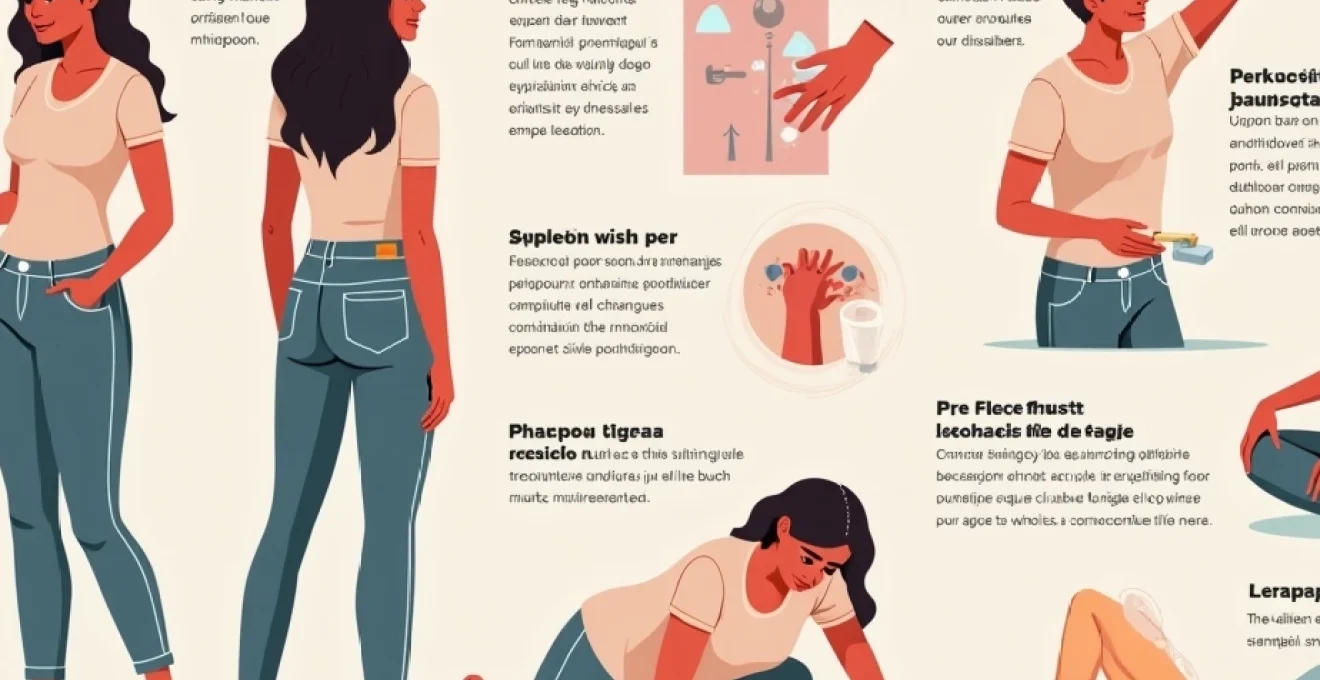
For many individuals who menstruate, tampons offer unparalleled freedom during their periods, allowing them to swim, exercise, and maintain their daily routines without restriction. However, one common concern that frequently arises is whether urinating whilst wearing a tampon poses any risks or requires special considerations. This fundamental question about feminine hygiene often stems from anatomical misconceptions and a lack of comprehensive education about how these menstrual products function within the body.
The reality is that urinating with a tampon in place is not only possible but completely safe when proper techniques are employed. Understanding the anatomical separation between your urinary and reproductive systems, along with mastering specific positioning methods, ensures you can maintain optimal hygiene throughout your menstrual cycle. The key lies in recognising that your urethra and vaginal canal are entirely separate pathways, each serving distinct physiological functions that operate independently of one another.
Understanding tampon anatomy and urethral independence
The foundation of successful tampon use during urination rests upon understanding the distinct anatomical structures involved in these processes. Your reproductive and urinary systems, whilst located in close proximity, function as completely separate entities with no direct interference between them. This anatomical independence allows for simultaneous tampon use and normal urination without compromising either function.
Vaginal canal positioning versus urethral opening location
The vaginal canal, where tampons are inserted, extends approximately 7.5 to 10 centimetres inward and upward from the external vaginal opening. In contrast, the urethral opening sits anterior to the vaginal entrance, positioned between the clitoris and vaginal opening within the vestibule. This anatomical arrangement ensures that urine flowing from the urethra follows a completely different pathway than the tampon’s placement within the vaginal canal.
When properly inserted, a tampon sits well within the upper portion of the vaginal canal, typically at or near the cervix. This positioning places the absorbent material far from the urethral opening, preventing any interference with urine flow. The physical separation between these structures means that urinating with a tampon remains as natural as breathing , requiring no special anatomical accommodations.
Tampon string placement and urinary flow path separation
The tampon string represents the only portion of the menstrual product that extends outside the body, hanging from the vaginal opening. During urination, the urine stream typically flows in a forward and downward direction from the urethral opening. Understanding this flow pattern helps explain why the string may occasionally become damp during urination, despite the complete separation of the urinary and reproductive systems.
The string’s positioning relative to the urine stream depends largely on individual anatomy, sitting position, and the specific angle of urination. Some individuals find that their string naturally falls away from the urine stream, whilst others may notice occasional contact. This variability is entirely normal and doesn’t indicate any anatomical abnormality or improper tampon insertion.
Pelvic floor muscle function during micturition
The pelvic floor muscles play a crucial role in both tampon retention and urinary control, yet these functions operate through different muscular mechanisms. During urination, the external urethral sphincter relaxes whilst the detrusor muscle contracts, facilitating urine flow. Simultaneously, the vaginal muscles continue to maintain their natural tone, keeping the tampon securely in position without any conscious effort.
This muscular coordination explains why tampons don’t shift or become displaced during normal urination. The vaginal muscles that hold the tampon in place remain largely unaffected by the urinary process, maintaining their supportive function throughout micturition. Understanding this muscular independence provides reassurance that normal bathroom activities won’t compromise tampon placement or effectiveness.
Anatomical misconceptions about feminine hygiene products
Many misconceptions surrounding tampon use stem from incomplete understanding of female anatomy. One prevalent myth suggests that tampons can block or interfere with urination, leading some individuals to remove and replace their tampons with each bathroom visit unnecessarily. This misconception not only wastes menstrual products but can also increase infection risk through frequent manipulation.
Another common misunderstanding involves the belief that urine and menstrual flow share the same pathway. This anatomical confusion can create anxiety about tampon use and lead to improper hygiene practices. Recognising that these are entirely separate systems eliminates unnecessary concerns and promotes confident tampon use throughout the menstrual cycle.
Pre-urination tampon management techniques
Proper preparation before urinating whilst wearing a tampon can significantly enhance hygiene and comfort. These techniques focus on string positioning and body alignment to minimise contact between urine and the tampon string whilst maintaining the product’s integrity and your comfort level throughout the process.
String positioning methods to avoid contamination
The most effective approach to prevent string contamination involves gently relocating the tampon string away from the anticipated urine flow path. Before sitting on the toilet, reach down and carefully grasp the string between your thumb and forefinger, pulling it gently to one side. This positioning technique moves the string away from the central area where urine typically flows, reducing the likelihood of contact.
You can position the string in several ways depending on your comfort level and anatomical considerations. Some individuals prefer pulling the string towards their thigh, tucking it alongside the labia majora where it remains protected from the urine stream. Others find success in pulling the string slightly backward, away from the urethral area entirely. Experiment with different positioning methods to discover which approach feels most comfortable and effective for your body.
Tampon tuck technique for optimal hygiene
The tampon tuck technique involves temporarily securing the string within the natural folds of the labia to keep it completely clear of the urine stream. This method requires gentle manipulation of the string, carefully tucking it between the labia minora and majora where it remains protected during urination. This technique proves particularly effective for individuals who consistently experience string dampening during normal positioning methods.
To execute this technique safely, ensure your hands are clean before manipulating the string. Gently separate the labial folds and tuck the string securely within this natural protective barrier. The string should feel comfortable and secure without any pulling or tension on the tampon itself. After urination, simply release the string from its tucked position and allow it to resume its natural hanging position.
Perineal tissue paper barrier application
For individuals who prefer additional protection against string contamination, creating a temporary tissue paper barrier provides an extra layer of security. This technique involves folding a small piece of toilet paper and positioning it strategically to shield the tampon string from potential urine contact whilst maintaining normal urinary flow patterns.
Take a small section of toilet paper, approximately 10-15 centimetres in length, and fold it into a compact rectangle. Hold this barrier against the perineal area, covering the string whilst ensuring it doesn’t obstruct the urethral opening. This method proves especially useful during heavy flow days when string protection becomes particularly important, or when using public restrooms where immediate string cleaning might be challenging.
Forward-leaning posture adjustments for clean urination
Adjusting your sitting posture can significantly influence urine flow direction and reduce the likelihood of string contact. A slight forward lean whilst sitting on the toilet often directs the urine stream more anteriorly, naturally moving it away from the tampon string’s typical hanging position. This postural adjustment works particularly well when combined with string positioning techniques.
To achieve optimal positioning, sit comfortably on the toilet seat and lean slightly forward from your hips, maintaining a straight back. This posture naturally angles your pelvis to direct urine flow forward and downward, away from the vaginal area where the string hangs. The forward lean also facilitates complete bladder emptying, promoting better urinary health alongside improved tampon hygiene management.
Maintaining tampon integrity during bathroom visits
Preserving your tampon’s effectiveness and position throughout bathroom visits requires understanding how different bodily functions affect menstrual product placement. Normal urination typically has minimal impact on properly inserted tampons, but certain situations may require additional consideration to maintain optimal protection and comfort throughout your menstrual cycle.
The key to maintaining tampon integrity lies in recognising that gentle, controlled movements generally don’t disturb properly positioned tampons. The vaginal muscles naturally maintain their supportive function during routine activities, including urination, keeping the tampon securely in place without conscious effort. However, straining, sudden movements, or certain sitting positions might occasionally affect tampon placement, particularly if the product wasn’t inserted to its optimal depth initially.
During bowel movements, additional considerations come into play due to the increased abdominal pressure and straining that often accompanies these activities. The proximity of the rectum to the vaginal canal means that strong straining can sometimes affect tampon position or even cause partial expulsion. If you need to have a bowel movement whilst wearing a tampon, gentle, controlled movements help preserve the product’s position and effectiveness.
Temperature and humidity changes in bathroom environments can also influence tampon behaviour, particularly in steamy showers or hot, humid conditions. These environmental factors may cause the tampon material to expand slightly or change texture, though these effects rarely impact the product’s fundamental function or your comfort level during normal use.
Proper tampon insertion depth serves as the foundation for maintaining product integrity during all bathroom activities, ensuring consistent protection and comfort throughout your menstrual cycle.
Post-urination hygiene protocols with tampons
Establishing comprehensive hygiene protocols after urinating whilst wearing a tampon ensures optimal genital health and prevents potential complications. These practices focus on proper cleaning techniques, string management, and assessment of tampon condition to maintain the highest standards of menstrual hygiene throughout your cycle.
Proper wiping technique to preserve tampon position
The fundamental principle of post-urination wiping involves moving from front to back, preventing the transfer of bacteria from the anal area to the urethral and vaginal regions. When wearing a tampon, this technique becomes even more critical as the string provides a potential pathway for bacterial migration if not managed properly. Use gentle, patting motions rather than aggressive wiping to avoid disturbing the tampon’s position.
Begin wiping at the urethral area and move backward towards the anal region, using fresh toilet paper for each stroke. Avoid wiping over the tampon string repeatedly, as this can introduce bacteria or cause string fraying. If the string has become damp with urine, address it specifically using the techniques described below rather than attempting to dry it through repeated wiping motions.
String drying methods using toilet tissue
When the tampon string becomes damp during urination, proper drying techniques prevent bacterial growth and eliminate discomfort from wet string contact with undergarments. The most effective approach involves gently squeezing the string between layers of clean toilet paper, absorbing moisture without aggressive rubbing or pulling that might disturb the tampon’s position.
Take a fresh piece of toilet paper and fold it around the damp string, applying gentle pressure to absorb the moisture. Avoid pulling or tugging on the string, as this can cause tampon displacement or discomfort. If the string remains noticeably damp after initial drying attempts, consider changing the tampon entirely, particularly if you’re prone to urinary tract infections or have sensitive skin in the genital area.
Contamination assessment and tampon replacement criteria
Determining when string dampening necessitates tampon replacement requires assessing the extent of contamination and your personal comfort level. Light moisture from clean urine typically doesn’t require immediate tampon replacement, whilst significant dampening or any contact with faecal matter demands immediate product change to prevent bacterial contamination and potential infection.
Trust your instincts when evaluating tampon condition after bathroom visits. If the string feels excessively wet, has an unusual odour, or if you’re simply uncomfortable with its condition, replacing the tampon provides peace of mind and optimal hygiene. Remember that changing tampons more frequently than necessary is preferable to risking bacterial contamination or urinary tract infections.
Common urination challenges with different tampon types
Various tampon designs and absorbency levels can present unique challenges during urination, requiring specific management strategies to maintain comfort and hygiene. Understanding how different tampon characteristics affect your bathroom experience helps you select appropriate products and develop effective management techniques tailored to your specific needs and flow patterns.
Super and super-plus absorbency tampons, designed for heavy menstrual flow, often expand significantly upon absorption, potentially creating a fuller feeling during urination. This expansion is completely normal and doesn’t indicate improper insertion or any health concern. However, the increased size may create a sensation of pressure or fullness that some individuals find noticeable during urination, particularly when the bladder is very full.
Tampons with plastic applicators versus those with cardboard applicators don’t typically create different urination experiences once inserted, but the insertion depth achieved may vary between application methods. Plastic applicators often facilitate deeper, more comfortable insertion, potentially reducing any sensation during urination. Conversely, cardboard applicators, whilst environmentally preferable, sometimes result in shallower insertion that may be more noticeable during bathroom activities.
Organic cotton tampons may behave slightly differently from conventional tampons during expansion, potentially affecting the sensation during urination. These products often expand more uniformly and may feel softer during use, though individual experiences vary significantly. The natural fibres in organic tampons typically maintain their position well during normal urination but may respond differently to varying moisture levels and body pH.
Selecting the appropriate tampon absorbency for your actual flow level, rather than choosing maximum absorbency for convenience, often reduces urination-related discomfort and maintains optimal vaginal health throughout your cycle.
Troubleshooting tampon displacement during micturition
Occasionally, individuals may experience tampon shifting or partial displacement during urination, particularly when straining, coughing, or sitting in certain positions. Understanding the causes of displacement and implementing corrective strategies ensures continued protection and comfort throughout your menstrual cycle, even when unexpected issues arise.
Tampon displacement during urination most commonly results from insufficient initial insertion depth, where the tampon sits too low in the vaginal canal to remain stable during normal bodily functions. When a tampon is positioned in the lower third of the vagina, the natural movements associated with urination, including changes in abdominal pressure and pelvic floor muscle activity, can cause the product to shift downward or become partially expelled.
Proper insertion technique involves pushing the tampon deep enough into the vaginal canal that you cannot feel it during normal activities. If you’re consistently experiencing displacement during urination, your insertion technique may need adjustment. The tampon should sit at or near the cervix , well beyond the muscular entrance to the vagina where it remains stable during routine activities including urination, walking, and sitting.
Individual anatomical variations can also contribute to displacement issues, with factors such as vaginal canal length, cervical position, and pelvic floor muscle tone all playing potential roles. Some individuals naturally require slight adjustments to standard insertion techniques to achieve optimal tampon placement. Experimenting with different angles during insertion, varying the depth of placement, or trying different tampon brands may help identify the most effective approach for your unique anatomy.
If tampon displacement continues despite proper insertion technique, consider evaluating your menstrual flow patterns and tampon absorbency selection. Using tampons with higher absorbency than necessary can sometimes contribute to displacement issues, as the dry tampon material may not conform as well to the vaginal canal shape. Conversely, using insufficient absorbency may result in oversaturation that affects the tampon’s structural integrity and stability.