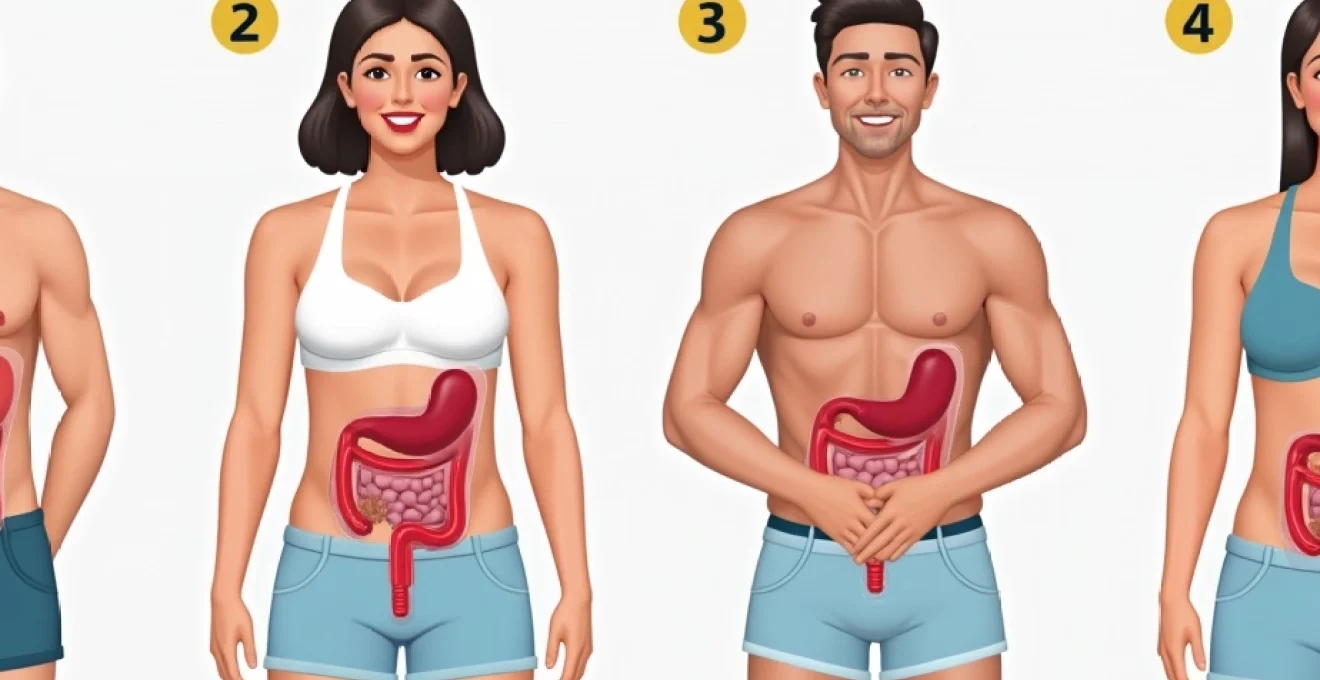
Hernia surgery recovery involves numerous considerations that patients often feel hesitant to discuss with their surgical teams. Sexual activity and masturbation represent particularly sensitive topics, yet they constitute important aspects of post-operative care and quality of life. Understanding the physiological demands these activities place on healing tissues, surgical sites, and mesh integration helps patients make informed decisions about when to safely resume intimate activities. The relationship between physical arousal, orgasm, and intra-abdominal pressure changes directly impacts surgical site healing and long-term repair success. Modern hernia repair techniques, including laparoscopic and open mesh procedures, each present unique recovery considerations that influence the timeline for safely resuming sexual activities.
Post-operative recovery timeline after inguinal and ventral hernia repair
Recovery timelines following hernia surgery vary significantly depending on the surgical technique employed, hernia size, patient age, and individual healing capacity. Understanding these variables enables patients to establish realistic expectations for resuming normal activities, including sexual function. The healing process involves multiple phases, from immediate post-operative inflammation through complete tissue integration and mesh incorporation.
Laparoscopic TEP and TAPP recovery phases
Laparoscopic totally extraperitoneal (TEP) and transabdominal preperitoneal (TAPP) repairs typically offer faster recovery compared to open techniques. The first week following surgery involves managing pneumoperitoneum-related discomfort and allowing small incisions to seal. Patients often experience shoulder pain from residual carbon dioxide, which gradually resolves as the gas absorbs. During this initial phase, even gentle activities that increase intra-abdominal pressure should be approached cautiously.
The second and third weeks mark the beginning of tissue healing around the mesh. Collagen deposition accelerates during this period, creating the foundation for long-term repair strength. Light activities become more comfortable, but patients should remain mindful of activities that create sudden pressure changes. By the fourth to sixth week, most patients experience significant improvement in comfort levels, though complete healing continues for several more months.
Open mesh repair healing progression
Open hernia repairs, including Lichtenstein and plug-and-patch techniques, involve larger incisions and more extensive tissue disruption. The initial two weeks focus on incision healing and pain management. Patients typically experience more discomfort compared to laparoscopic approaches, particularly when moving from lying to standing positions. The surgical site requires protection from activities that stretch or strain the repair area.
Weeks three through six represent critical periods for mesh integration with surrounding tissues. The body’s inflammatory response works to incorporate the synthetic material into the natural tissue matrix. Fibroblast proliferation and collagen synthesis create increasingly strong bonds between the mesh and abdominal wall. Activities that generate excessive tension during this phase may compromise optimal healing.
Umbilical hernia surgery recovery milestones
Umbilical hernia repairs present unique considerations due to the central location and the natural tendency for increased pressure in this region. Small umbilical defects repaired with sutures alone typically heal faster than larger defects requiring mesh reinforcement. The first two weeks require particular attention to activities that engage core muscles, as the umbilical region experiences significant stress during common movements.
Mesh-reinforced umbilical repairs follow similar timelines to other ventral hernia surgeries. The proximity to the diaphragm means that respiratory function, coughing, and activities that increase abdominal pressure directly impact the surgical site. Patients must balance activity progression with protection of the repair during the critical healing phases.
Hiatal hernia fundoplication recovery considerations
Hiatal hernia repairs involve upper abdominal and thoracic considerations that distinguish them from other hernia types. Recovery focuses heavily on dietary modifications and avoiding activities that increase thoracic pressure. The surgical site’s proximity to the diaphragm means that activities affecting breathing patterns or creating sudden pressure changes require careful evaluation.
Sexual activity considerations for hiatal hernia patients extend beyond abdominal pressure to include positioning and respiratory patterns during arousal. The recovery timeline often extends longer than other hernia types due to the complex anatomy involved and the need to protect both the repair and surrounding organs.
Physical strain assessment during sexual activity Post-Hernia surgery
Sexual activity and masturbation involve complex physiological responses that affect multiple body systems simultaneously. Heart rate elevation, blood pressure changes, muscle tension, and respiratory pattern alterations all influence healing tissues. Understanding these physiological demands helps patients and healthcare providers establish appropriate timelines for safely resuming intimate activities without compromising surgical outcomes.
Intra-abdominal pressure changes during masturbation
Masturbation creates measurable increases in intra-abdominal pressure, particularly during arousal and orgasm phases. These pressure changes result from involuntary muscle contractions, altered breathing patterns, and cardiovascular responses. Peak pressures during orgasm can reach levels comparable to coughing or straining, which explains why timing recommendations align with other pressure-generating activities.
The duration and intensity of pressure changes during masturbation typically remain lower than activities like heavy lifting or vigorous exercise. However, the sudden nature of orgasmic contractions can create stress on healing tissues that are not yet fully integrated. Patients who experience pain or discomfort during these activities should postpone resumption until healing progresses further.
Core muscle engagement and surgical site protection
Sexual arousal naturally engages core muscle groups, including the rectus abdominis, obliques, and pelvic floor muscles. This engagement creates tension across the entire abdominal wall, potentially affecting hernia repair sites regardless of their specific location. Muscle coordination during sexual activity involves both voluntary and involuntary contractions that can stress healing tissues.
Gentle masturbation typically involves less core muscle engagement compared to partnered sexual activity, making it a potentially safer option during early recovery phases. Patients can often modify positioning and intensity to minimize abdominal strain while still maintaining intimate satisfaction. Communication with healthcare providers about specific concerns helps establish individualised guidelines.
Valsalva manoeuvre impact on mesh integration
The Valsalva manoeuvre, characterised by forceful exhalation against a closed airway, commonly occurs during sexual climax. This action dramatically increases intra-abdominal pressure and can affect mesh positioning and integration during critical healing phases. Understanding this physiological response helps explain why timing recommendations for sexual activity often align with guidelines for heavy lifting and strenuous exercise.
Premature exposure to high intra-abdominal pressures during the mesh integration phase may compromise long-term repair durability and increase recurrence risk.
Patients can learn techniques to minimise Valsalva responses during sexual activity, including controlled breathing and gradual intensity progression. These strategies allow earlier resumption of intimate activities while protecting surgical sites during vulnerable healing periods.
Incision site tension during physical arousal
Physical arousal creates various forms of tension across the abdominal wall that can affect incision sites and surrounding tissues. Laparoscopic port sites, despite their small size, require protection from stretching and pulling forces during the initial healing phases. Open surgery incisions face greater challenges from tension forces due to their larger size and deeper tissue involvement.
Patients often report increased awareness of surgical sites during arousal, which can serve as a natural protective mechanism. Pain or discomfort during these activities typically indicates that tissues are not yet ready for the associated stresses. Gradual progression allows patients to gauge their healing status and adjust activity levels accordingly.
Tissue healing mechanisms and sexual activity interference
Tissue healing following hernia surgery involves complex biological processes that can be influenced by physical activity levels and stress patterns. The inflammatory phase, proliferative phase, and remodelling phase each present unique vulnerabilities to disruption from premature activity resumption. Sexual activity and masturbation create specific stress patterns that may either support or hinder optimal healing depending on timing and intensity.
During the inflammatory phase, which typically lasts the first week to ten days post-surgery, tissues remain highly vulnerable to mechanical stress. Blood flow changes during arousal and orgasm can affect inflammatory processes, potentially prolonging this phase if activities are resumed too early. The increased heart rate and blood pressure associated with sexual activity may also influence surgical site perfusion and healing mediator delivery.
The proliferative phase, spanning weeks two through six, involves active collagen synthesis and tissue reconstruction. Mechanical stress during this period can either promote healthy tissue formation through appropriate stimulation or disrupt healing through excessive force application. Research suggests that gentle, progressive loading can enhance tissue strength, but sudden or excessive forces may compromise repair integrity.
Mesh integration represents a unique aspect of modern hernia repair that requires special consideration. The foreign body response to synthetic materials involves macrophage activation, fibroblast recruitment, and gradual tissue ingrowth. Sexual activity that creates repetitive stress patterns may influence this integration process, potentially affecting long-term repair durability. Understanding these mechanisms helps explain why conservative timelines often provide optimal outcomes.
The remodelling phase, which continues for months after surgery, involves tissue strengthening and adaptation to mechanical demands.
During this extended period, tissues gradually adapt to normal activity levels, including sexual function. Patients who follow conservative resumption timelines often experience better long-term outcomes with fewer complications or recurrence issues. The investment in patient healing time typically pays dividends in terms of repair longevity and satisfaction.
Surgeon-specific guidelines from leading hernia specialists
Hernia repair specialists often provide individualised guidelines based on surgical technique, patient factors, and repair complexity. Most experienced surgeons recommend waiting at least two to four weeks before resuming masturbation, with partnered sexual activity often requiring additional recovery time due to increased physical demands. These recommendations reflect decades of clinical experience and outcome data showing improved success rates with conservative approaches.
Laparoscopic specialists frequently allow earlier activity resumption compared to open surgery advocates, reflecting the reduced tissue trauma associated with minimally invasive techniques. However, even with laparoscopic approaches, the internal healing processes require adequate time for completion. Conservative estimates typically provide better outcomes than aggressive early resumption, particularly for patients with large hernias or complex repairs.
Many surgeons emphasise the importance of patient communication regarding sexual activity concerns. Open discussions about timing, positioning, and symptom recognition help establish appropriate individual guidelines. Patients who experience pain, pressure, or unusual sensations during early attempts at sexual activity should postpone resumption and discuss concerns with their surgical teams.
The trend towards patient-specific recommendations reflects growing recognition that recovery varies significantly among individuals. Factors including age, overall health, hernia size, surgical technique, and healing capacity all influence appropriate timelines. Some patients may safely resume gentle activities earlier than standard recommendations, while others may require extended recovery periods for optimal outcomes.
Risk factors for recurrence related to premature physical activity
Hernia recurrence represents one of the most significant concerns for both patients and surgeons. Studies consistently demonstrate that premature resumption of strenuous activities, including sexual activity that creates high intra-abdominal pressures, increases recurrence risk. Understanding these risk factors helps patients make informed decisions about activity timing and intensity progression.
Several factors contribute to increased recurrence risk when sexual activity is resumed too early. Inadequate mesh integration allows displacement or folding under stress, potentially creating weak points that predispose to recurrence. Tissue disruption during critical healing phases may compromise the biological seal between mesh and surrounding tissues, reducing long-term repair strength.
Patient-specific risk factors also influence recurrence susceptibility. Older patients, those with connective tissue disorders, smokers, and individuals with chronic cough conditions face elevated baseline recurrence risks. These patients may benefit from extended conservative timelines for resuming sexual activities to compensate for compromised healing capacity.
Research indicates that patients who follow conservative activity restrictions during the first six weeks post-surgery experience significantly lower recurrence rates compared to those who resume activities earlier.
Large hernia repairs and complex reconstructive procedures require particular caution regarding activity resumption. The extensive tissue manipulation and mesh placement involved in these surgeries create more vulnerable repairs that require extended healing time. Sexual activity that creates stress across large repair areas may compromise outcomes if resumed prematurely.
Evidence-based timeline for resuming sexual activities after hernia repair
Current evidence supports a graduated approach to resuming sexual activities following hernia surgery, with timelines varying based on surgical approach and individual healing factors. Most clinical studies recommend waiting at least two weeks before attempting gentle masturbation, with partnered sexual activity typically delayed until four to six weeks post-surgery. These recommendations balance patient quality of life concerns with optimal healing requirements.
Week one through two post-surgery should focus on basic healing and pain management. Sexual activity during this period risks disrupting initial tissue healing and may cause significant discomfort. Patients often experience reduced libido during this phase due to pain medications, discomfort, and healing stress, making activity restriction more tolerable.
Weeks two through four represent a transition period where gentle masturbation may be considered if patients experience minimal pain and can avoid excessive straining. Positioning modifications and intensity limitations help protect healing tissues while allowing some intimate satisfaction. Patients should discontinue activities immediately if pain or unusual sensations occur.
The four to six-week timeframe typically marks the earliest appropriate time for resuming full sexual activities, including partnered intercourse. By this point, initial healing is largely complete, and mesh integration has progressed sufficiently to handle moderate stress levels. However, patients should still avoid positions or activities that create excessive abdominal strain or pressure.
Beyond six weeks, most patients can gradually return to normal sexual activities with few restrictions. Complete healing and optimal mesh integration typically require three to six months, but the repair should be sufficiently strong to handle normal sexual activity stress levels. Patients who experience ongoing pain or discomfort should consult with their surgical teams to rule out complications or healing issues.
Individual variation in healing rates means that some patients may require longer conservative periods, while others may safely progress more quickly. The key lies in listening to the body’s signals and maintaining open communication with healthcare providers about concerns or unusual symptoms. Patience during the recovery phase typically results in better long-term outcomes and greater satisfaction with surgical results.