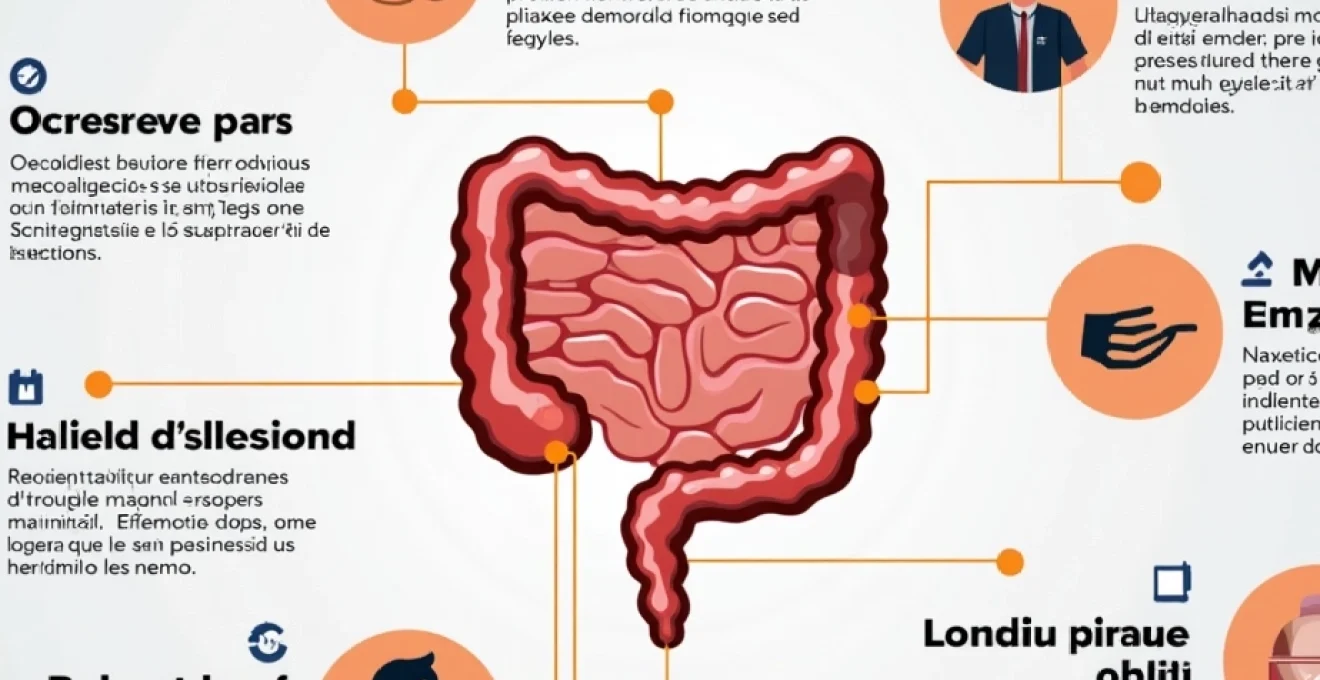
Creon 36000 represents one of the highest-strength formulations of pancreatic enzyme replacement therapy (PERT) available for managing exocrine pancreatic insufficiency (EPI). This concentrated formulation delivers 36,000 USP units of lipase per capsule, making it essential for patients with severe pancreatic enzyme deficiency. Understanding the potential adverse effects of this medication is crucial for both healthcare professionals and patients, as the high-dose nature of Creon 36000 can present unique challenges in clinical management. The complexity of these side effects ranges from common gastrointestinal disturbances to rare but serious systemic complications that require careful monitoring and intervention.
Pancreatic enzyme replacement therapy mechanisms and creon 36000 formulation
Lipase, protease, and amylase enzymatic activity in pancreatic insufficiency
Creon 36000 contains a precisely balanced combination of pancreatic enzymes derived from porcine pancreas, with each capsule delivering 36,000 USP units of lipase, 114,000 USP units of protease, and 180,000 USP units of amylase. These three enzyme groups work synergistically to address the fundamental digestive deficits experienced by patients with exocrine pancreatic insufficiency. Lipase serves as the primary fat-digesting enzyme, breaking down triglycerides into fatty acids and glycerol, whilst protease enzymes cleave proteins into smaller peptides and amino acids. Amylase facilitates carbohydrate digestion by converting starches into simple sugars.
The therapeutic effectiveness of these enzymes directly correlates with their ability to restore normal digestive function, but this same potency can contribute to specific side effects. When enzyme levels exceed physiological requirements or when patients experience malabsorption of the enzymes themselves, gastrointestinal complications may arise. The high concentration of enzymes in Creon 36000 necessitates careful dose titration to achieve optimal therapeutic benefit whilst minimising adverse reactions.
Enteric-coated microsphere technology and gastric acid resistance
The sophisticated enteric-coating system employed in Creon 36000 protects the pancreatic enzymes from gastric acid degradation whilst ensuring targeted release in the duodenum. This delayed-release formulation utilises acid-resistant microspheres that maintain enzyme integrity during gastric transit. However, this coating technology can occasionally contribute to specific adverse effects, particularly when the capsules are inappropriately crushed or chewed, leading to premature enzyme release and subsequent oral irritation.
The enteric coating contains hypromellose phthalate and other pharmaceutical excipients that may trigger hypersensitivity reactions in susceptible individuals. Additionally, the coating’s interaction with varying gastric pH levels can sometimes result in inconsistent enzyme release patterns, potentially contributing to digestive symptoms such as bloating, cramping, or altered bowel movements. Understanding these mechanisms helps explain why proper administration techniques are crucial for minimising coating-related side effects.
Bioavailability and pharmacokinetic properties of High-Dose pancrelipase
The pharmacokinetic profile of Creon 36000 demonstrates minimal systemic absorption, with the majority of enzymatic activity occurring within the gastrointestinal tract. However, trace amounts of pancreatic enzymes and their metabolites can enter systemic circulation, potentially contributing to certain adverse effects. Hyperuricaemia represents one such systemic effect, resulting from the metabolism of nucleic acids present in the porcine pancreatic extract.
The high-dose nature of Creon 36000 means that even minimal systemic absorption can result in measurable increases in serum uric acid levels. This pharmacokinetic characteristic becomes particularly relevant in patients with pre-existing gout or renal insufficiency, where uric acid clearance may be compromised. The cumulative effect of repeated high-dose administration can lead to clinically significant hyperuricaemia, requiring monitoring and potential dose adjustment.
Dosage calculations based on fat content and coefficient of fat absorption
Optimal dosing of Creon 36000 requires careful consideration of individual fat intake and the coefficient of fat absorption (CFA). The standard recommendation of 500-2500 lipase units per kilogram of body weight per meal must be adjusted based on the patient’s specific dietary fat content and malabsorption severity. Inappropriate dosing represents a significant risk factor for adverse effects, with both under-dosing and over-dosing contributing to different complications.
Over-dosing with Creon 36000 increases the risk of fibrosing colonopathy, particularly in paediatric patients with cystic fibrosis. Conversely, under-dosing can result in persistent malabsorption symptoms that may be mistakenly attributed to medication side effects rather than therapeutic inadequacy. The high potency of Creon 36000 requires precise dose calculations and regular monitoring of both therapeutic response and potential adverse effects to maintain optimal clinical outcomes.
Gastrointestinal adverse reactions and digestive system complications
Fibrosing colonopathy risk with excessive lipase units per kilogram
Fibrosing colonopathy represents the most serious gastrointestinal complication associated with high-dose pancreatic enzyme replacement therapy, particularly relevant for Creon 36000 users. This condition involves progressive scarring and narrowing of the colon, potentially leading to intestinal obstruction and requiring surgical intervention. The risk appears directly correlated with cumulative lipase exposure, with doses exceeding 6000 lipase units per kilogram of body weight per meal significantly increasing the likelihood of developing this complication.
Fibrosing colonopathy has been primarily reported in paediatric patients with cystic fibrosis receiving high-dose pancreatic enzyme therapy, with symptoms including severe abdominal pain, bloating, and difficulty passing stool.
The pathogenesis of fibrosing colonopathy involves chronic inflammatory changes in the colonic wall, triggered by excessive enzyme exposure or potential immunological reactions to porcine pancreatic proteins. Early recognition of symptoms is crucial, as the condition may be irreversible once established. Healthcare providers must maintain vigilance for signs of colonic complications, particularly in patients requiring multiple Creon 36000 capsules per meal or those with a history of high-dose enzyme therapy.
Abdominal pain, bloating, and steatorrhoea management challenges
Gastrointestinal symptoms represent the most frequently reported adverse effects of Creon 36000, with abdominal pain and bloating affecting up to 15% of patients in clinical studies. These symptoms can paradoxically occur in both under-dosed and appropriately dosed patients, creating diagnostic challenges for healthcare providers. Steatorrhoea may persist despite adequate enzyme replacement, particularly during the initial titration period or when dietary fat intake exceeds the enzymatic capacity provided by the prescribed dose.
The management of these gastrointestinal symptoms requires careful evaluation of dosing adequacy, timing of administration, and dietary factors. Patients experiencing persistent abdominal pain should be evaluated for potential fibrosing colonopathy, particularly if symptoms worsen over time or are accompanied by changes in bowel habits. The high enzyme concentration in Creon 36000 can sometimes overwhelm the digestive system’s capacity for enzyme utilisation, leading to excessive gas production and associated discomfort.
Hyperuricosuria and hyperuricaemia in paediatric cystic fibrosis patients
Elevated uric acid levels, both in blood (hyperuricaemia) and urine (hyperuricosuria), represent significant metabolic complications associated with high-dose pancreatic enzyme therapy. The porcine pancreatic extract contains substantial quantities of nucleic acids, which are metabolised to purines and subsequently to uric acid. Paediatric patients with cystic fibrosis appear particularly susceptible to this complication, potentially due to their higher weight-adjusted enzyme requirements and altered purine metabolism.
Clinical manifestations of hyperuricaemia include joint pain, particularly affecting the big toe, and potential kidney stone formation. The risk appears dose-dependent, with patients receiving multiple Creon 36000 capsules daily showing higher incidence rates of elevated uric acid levels. Regular monitoring of serum uric acid concentrations becomes essential in high-risk patients, with consideration for dose reduction or adjunctive uric acid-lowering therapy when levels become significantly elevated.
Bowel obstruction and distal intestinal obstruction syndrome correlation
The relationship between high-dose pancreatic enzyme therapy and bowel obstruction complications extends beyond fibrosing colonopathy to include distal intestinal obstruction syndrome (DIOS). This condition, predominantly affecting patients with cystic fibrosis, involves the accumulation of thick, sticky intestinal contents in the distal small bowel and proximal colon. High-dose enzyme therapy may contribute to DIOS development through several mechanisms, including altered intestinal motility and changes in stool consistency.
Patients receiving Creon 36000 should be monitored for early signs of intestinal obstruction, including progressive abdominal distension, cramping pain, and changes in bowel movement patterns. The high enzyme concentration can sometimes create conditions favouring the formation of inspissated intestinal contents, particularly when combined with dehydration or inadequate fluid intake. Prompt recognition and management of DIOS are essential to prevent progression to complete intestinal obstruction requiring emergency intervention.
Allergic hypersensitivity reactions and immunological responses
Porcine-derived enzyme sensitivity and Cross-Reactivity patterns
Hypersensitivity reactions to porcine-derived pancreatic enzymes represent a significant concern for Creon 36000 users, particularly those with known pork allergies or sensitivity to other porcine-derived medications. The immunological response can range from mild skin reactions to severe anaphylactic responses requiring immediate medical intervention. Cross-reactivity patterns between porcine pancreatic enzymes and other pork proteins suggest that patients with documented pork allergies should receive alternative non-porcine enzyme preparations when available.
The allergic potential of Creon 36000 extends beyond the primary pancreatic enzymes to include various porcine proteins and potential contaminants present in the pancreatic extract. Sensitisation can develop gradually over time, with some patients experiencing initial tolerance followed by delayed hypersensitivity reactions after months or years of therapy. Healthcare providers must maintain awareness of this possibility and educate patients about the signs and symptoms of allergic reactions.
Allergic reactions to porcine pancreatic enzymes can manifest as skin rash, respiratory symptoms, or gastrointestinal distress, requiring immediate discontinuation and appropriate medical management.
Bronchospasm and respiratory complications in asthmatic patients
Respiratory complications associated with Creon 36000 primarily affect patients with pre-existing asthma or chronic respiratory conditions. The inhalation of pancreatic enzyme particles, particularly during capsule opening or administration, can trigger bronchospasm and respiratory distress. Asthmatic patients appear particularly vulnerable to this complication, with some experiencing severe bronchospastic episodes requiring emergency bronchodilator therapy.
The mechanism involves both direct irritation of respiratory tissues by enzyme particles and potential immunological hypersensitivity reactions to porcine proteins. Patients with cystic fibrosis, who frequently require Creon 36000, often have concurrent respiratory disease that may mask or complicate the recognition of enzyme-related respiratory symptoms. Proper administration techniques, including avoiding inhalation of capsule contents and ensuring complete swallowing, can significantly reduce the risk of respiratory complications.
Urticaria, pruritus, and dermatological manifestations
Dermatological reactions represent common manifestations of hypersensitivity to Creon 36000, with urticaria and pruritus being the most frequently reported cutaneous adverse effects. These reactions typically develop within hours to days of initiating therapy or following dose increases. Skin manifestations can range from localised rash and itching to generalised urticaria with significant discomfort and cosmetic concerns.
The pathogenesis involves both immediate IgE-mediated hypersensitivity and delayed-type hypersensitivity reactions to porcine pancreatic proteins. Some patients may experience contact dermatitis from direct skin exposure to capsule contents during administration. The management of dermatological reactions requires careful assessment of severity, with mild reactions potentially manageable through antihistamine therapy whilst severe or progressive reactions necessitate drug discontinuation and alternative therapeutic approaches.
Metabolic and systemic side effects monitoring
The systemic effects of Creon 36000 extend beyond the gastrointestinal tract to encompass various metabolic and systemic complications requiring comprehensive monitoring strategies. The high-dose nature of this formulation increases the likelihood of systemic enzyme absorption and subsequent metabolic perturbations. Regular laboratory monitoring becomes essential for patients receiving long-term high-dose therapy, particularly those with pre-existing metabolic conditions or risk factors for systemic complications.
Metabolic acidosis represents an uncommon but potentially serious complication associated with excessive pancreatic enzyme therapy. This condition may result from the breakdown of enzyme proteins and subsequent metabolic byproduct accumulation. Patients with compromised renal function or those receiving multiple high-dose enzyme preparations face increased risk for developing metabolic acidosis. Clinical manifestations include fatigue, altered mental status, and compensatory hyperventilation, requiring immediate medical evaluation and potential dose adjustment.
The development of chronic systemic inflammation has been reported in some patients receiving long-term high-dose pancreatic enzyme therapy. This inflammatory response may involve immune system activation triggered by chronic exposure to porcine proteins or enzyme degradation products. Inflammatory markers such as C-reactive protein and erythrocyte sedimentation rate may become elevated, necessitating differentiation from underlying disease activity or concurrent infections. The clinical significance of this chronic inflammatory state remains under investigation, but it may contribute to accelerated atherosclerosis and increased cardiovascular risk in susceptible patients.
Trace element deficiencies can paradoxically occur in patients receiving adequate pancreatic enzyme replacement therapy, potentially related to altered mineral absorption or competitive inhibition by enzyme components. Zinc and selenium deficiencies have been reported in patients receiving high-dose enzyme therapy, possibly contributing to immune dysfunction and delayed wound healing. Regular nutritional assessment and supplementation may be necessary for patients receiving long-term Creon 36000 therapy, particularly those with multiple risk factors for nutritional deficiencies.
Drug interactions with proton pump inhibitors and H2 receptor antagonists
The concurrent use of Creon 36000 with acid-suppressing medications presents complex interaction patterns that can significantly impact both therapeutic efficacy and adverse effect profiles. Proton pump inhibitors (PPIs) and H2 receptor antagonists alter gastric pH, potentially affecting the dissolution and release patterns of enteric-coated enzyme microspheres. Gastric acid suppression can lead to premature enzyme release in the stomach, resulting in enzyme inactivation and reduced therapeutic benefit whilst simultaneously increasing the risk of gastric irritation and dyspepsia.
The interaction between Creon 36000 and PPIs demonstrates particular clinical relevance, as many patients with pancreatic insufficiency also receive acid-suppressing therapy for concurrent peptic ulcer disease or gastroesophageal reflux. The altered gastric environment can result in inconsistent enzyme delivery to the duodenum, leading to variable therapeutic responses and potential breakthrough malabsorption symptoms. This variability in enzyme activity may prompt inappropriate dose escalations, increasing the risk of dose-related adverse effects such as hyperuricaemia and gastrointestinal complications.
The timing of administration becomes crucial when combining Creon 36000 with acid-suppressing medications, with optimal spacing potentially reducing interaction-related adverse effects whilst maintaining therapeutic efficacy.
H2 receptor antagonists present a somewhat different interaction profile compared to PPIs, with less complete acid suppression potentially allowing for more predictable enzyme release patterns. However, the reduced gastric acidity can still impact the enteric coating dissolution characteristics, potentially leading to delayed or incomplete enzyme release. Clinical monitoring of both therapeutic response and adverse effects becomes essential when initiating or modifying acid-suppressing therapy in patients receiving Creon 36000.
The management of these drug interactions requires careful consideration of dosing schedules, with some experts recommending administration of Creon 36000 immediately before meals whilst taking acid-suppressing medications at different times
to optimise therapeutic outcomes. Some practitioners advocate for temporary PPI discontinuation during enzyme dose stabilisation to better assess therapeutic response and minimise interaction-related complications.
Paediatric versus adult dosing considerations and Age-Specific adverse event profiles
The adverse effect profile of Creon 36000 demonstrates significant age-related variations, with paediatric patients exhibiting distinct patterns of complications compared to adult recipients. Children with cystic fibrosis typically require higher weight-adjusted doses of pancreatic enzymes, potentially reaching 2,500-4,000 lipase units per kilogram per meal, which significantly increases their risk for dose-dependent adverse effects. The immature gastrointestinal tract and altered pharmacokinetic properties in paediatric patients contribute to enhanced susceptibility to certain complications, particularly fibrosing colonopathy and hyperuricaemia.
Paediatric patients demonstrate increased vulnerability to electrolyte imbalances and dehydration secondary to enzyme therapy complications. The higher metabolic rate and greater surface area-to-volume ratio in children can amplify the systemic effects of even minimal enzyme absorption. Growth and development considerations become paramount when managing adverse effects, as chronic complications can significantly impact nutritional status and overall developmental outcomes. Healthcare providers must carefully balance optimal enzyme replacement with minimising growth-affecting complications.
Children receiving Creon 36000 require more frequent monitoring of growth parameters, nutritional markers, and potential complications compared to adult patients, with dose adjustments often needed to accommodate rapid changes in body weight and dietary requirements.
Adult patients typically demonstrate better tolerance to high-dose enzyme therapy, with lower incidence rates of fibrosing colonopathy and hyperuricaemia. However, adults with concurrent medical conditions such as diabetes mellitus, renal insufficiency, or cardiovascular disease may experience amplified systemic complications. The presence of multiple comorbidities in adult patients necessitates comprehensive evaluation of potential drug interactions and contraindications before initiating high-dose Creon 36000 therapy. Geriatric patients require particular attention due to age-related changes in gastrointestinal function and increased susceptibility to medication-related complications.
The dosing approach differs substantially between paediatric and adult populations, with children often requiring multiple Creon 36000 capsules per meal to achieve adequate enzyme replacement. This higher pill burden increases the risk of administration errors and non-adherence, potentially contributing to both under-dosing complications and inadvertent overdosing. Adult patients generally achieve therapeutic goals with fewer capsules, but may face challenges with swallowing multiple large capsules, particularly elderly individuals with dysphagia or cognitive impairment. The development of age-appropriate dosing strategies requires careful consideration of both therapeutic efficacy and tolerability across different age groups.
Long-term safety monitoring protocols must be adapted to address age-specific risk profiles, with paediatric patients requiring more aggressive surveillance for growth and developmental impacts whilst adult patients need comprehensive assessment of systemic complications and drug interactions. The transition from paediatric to adult care presents unique challenges in maintaining optimal enzyme therapy whilst addressing changing physiological needs and lifestyle factors. Healthcare providers must remain vigilant for evolving adverse effect patterns as patients age and develop concurrent medical conditions that may influence their response to Creon 36000 therapy.