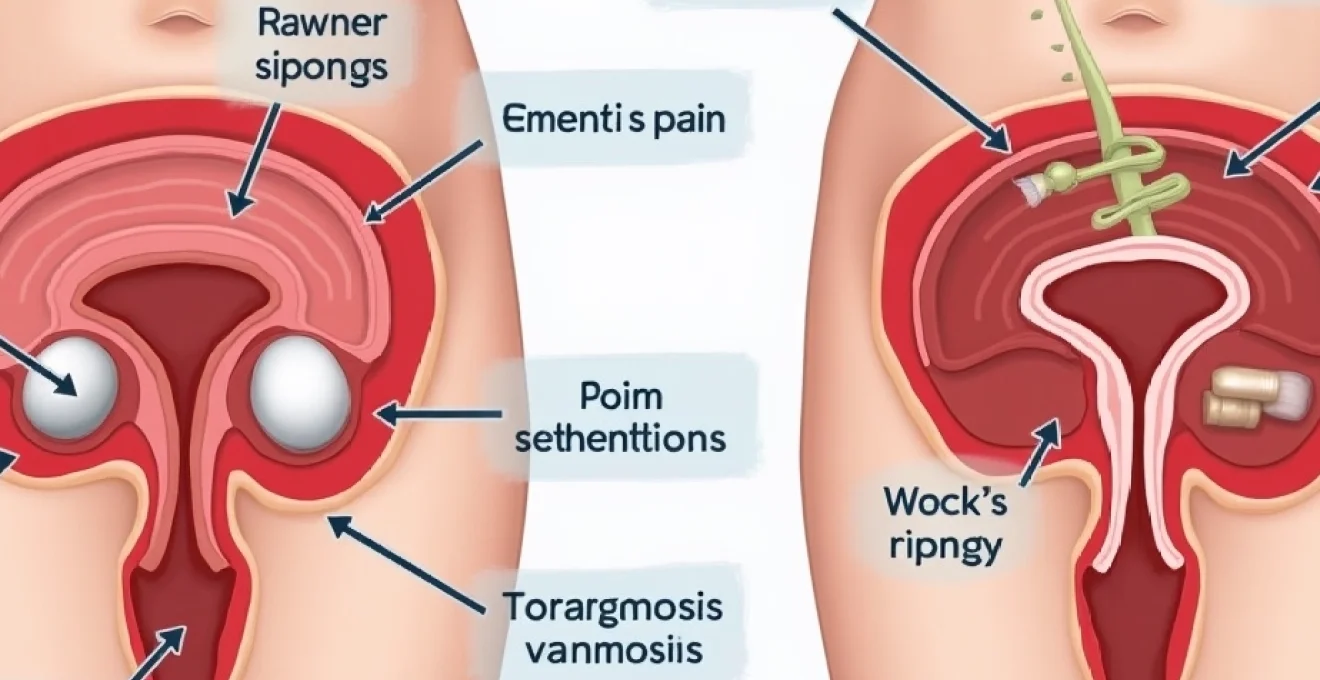
Hemorrhoid banding, or rubber band ligation, represents one of the most effective non-surgical treatments for internal hemorrhoids, offering relief to thousands of patients annually. However, the post-procedural experience often raises concerns, particularly regarding pain intensity and duration. Understanding the normal pain patterns following this minimally invasive procedure can help patients distinguish between expected discomfort and potentially concerning symptoms requiring medical attention.
The throbbing sensation many patients experience after hemorrhoid banding stems from the deliberate interruption of blood flow to the hemorrhoidal tissue. This ischaemic process, while therapeutic, naturally triggers inflammatory responses that manifest as varying degrees of discomfort. The complexity of pain perception in this anatomically sensitive region means that patient experiences can differ significantly, even with identical procedural techniques.
Contemporary hemorrhoid banding techniques have evolved considerably since their introduction, with modern approaches focusing on minimising post-procedural discomfort whilst maintaining therapeutic efficacy. The CRH O’Regan system, for instance, utilises gentle suction rather than forceps, resulting in significantly reduced pain rates compared to traditional methods. Understanding these procedural variations proves crucial when evaluating post-treatment pain expectations.
Understanding rubber band ligation procedure and Post-Treatment pain mechanisms
Barron’s rubber band ligation technique and tissue necrosis process
The original Barron technique, introduced in 1963, revolutionised hemorrhoid treatment by providing a simple yet effective method for inducing controlled tissue necrosis. During this procedure, a proctoscope allows visualisation of the internal hemorrhoids whilst forceps grasp the redundant tissue above the dentate line. The rubber band placement creates immediate vascular occlusion, initiating a carefully controlled process of tissue death.
The necrosis process begins immediately following band application, with tissue hypoxia triggering inflammatory mediator release. Prostaglandins, histamine, and bradykinin accumulate in the affected area, creating the characteristic throbbing pain many patients experience. This inflammatory cascade serves a protective purpose, alerting the body to tissue damage whilst promoting healing responses.
Understanding this mechanism helps contextualise why pain typically peaks within the first 24-48 hours following the procedure. The initial ischaemic insult produces the most intense inflammatory response, gradually subsiding as the tissue undergoes complete necrosis and eventual sloughing. This natural timeline provides reassurance that early discomfort, whilst unpleasant, represents normal physiological responses to therapeutic intervention.
Ischaemic pain pathophysiology following haemorrhoidal artery constriction
The pathophysiology underlying post-banding pain involves complex interactions between vascular occlusion, tissue hypoxia, and neurogenic inflammation. When the rubber band constricts the hemorrhoidal tissue, arterial inflow ceases whilst venous outflow may initially continue, creating a state of congestion before complete circulatory arrest occurs. This transitional period often produces particularly intense throbbing sensations.
Nerve endings within the hemorrhoidal plexus respond to hypoxic conditions by increasing their firing frequency, transmitting pain signals through the pudendal and inferior rectal nerves. The rich innervation of the anal canal, whilst normally protective, can amplify discomfort during this healing phase. The intensity of pain often correlates directly with the degree of tissue congestion and the proximity of bands to sensory nerve endings.
Inflammatory mediators released during ischaemia also sensitise surrounding nerve fibres, creating hyperalgesia that can persist beyond the initial injury. This sensitisation explains why some patients experience heightened sensitivity to normal physiological functions, such as bowel movements or sitting, for several days following the procedure.
Mcgivney ligator application and immediate vasculature response
The McGivney ligator, a single-handed instrument that combines suction and band application, offers technical advantages that can influence post-procedural pain patterns. This device allows more precise control over tissue capture and band placement, potentially reducing inadvertent inclusion of pain-sensitive structures below the dentate line. The suction mechanism draws tissue into the ligator cylinder, enabling controlled band application without the tissue manipulation required by forceps-based techniques.
Immediate vascular responses following McGivney ligator application include arterial spasm, capillary bed compression, and venous stasis. The rapid onset of these changes can create sudden pressure alterations within the hemorrhoidal tissue, contributing to the characteristic throbbing pain. However, the precision of this technique often results in more predictable pain patterns compared to less controlled methods.
The suction component of the McGivney technique may temporarily increase tissue volume before band application, potentially intensifying initial discomfort but often leading to more complete vascular occlusion. This complete occlusion paradoxically may result in shorter overall pain duration, as incomplete vascular compromise can prolong the inflammatory phase.
Endoscopic versus anoscopic banding methods and pain intensity variations
The choice between endoscopic and anoscopic visualisation during hemorrhoid banding can significantly influence post-procedural pain experiences. Endoscopic techniques, utilising flexible sigmoidoscopy or colonoscopy, provide superior visualisation but may require more extensive tissue manipulation during band placement. This additional manipulation can increase tissue trauma and subsequent inflammatory responses.
Anoscopic approaches, whilst offering more limited visualisation, allow for more direct and efficient band application. The rigid anoscope maintains anal canal patency whilst minimising tissue distortion, potentially reducing inadvertent trauma to surrounding structures. Studies suggest that anoscopic techniques may result in reduced immediate post-procedural discomfort compared to endoscopic methods.
The depth of insertion and angle of approach differ between these techniques, influencing which anatomical structures experience stress during the procedure. Endoscopic approaches may place bands at slightly different positions due to instrument flexibility, whilst anoscopic techniques provide more consistent band placement relative to anatomical landmarks. These subtle differences can create variations in pain patterns that patients may notice during recovery.
Normal Post-Banding pain characteristics and expected timeline
Acute phase discomfort: hours 0-24 following procedure
The immediate post-banding period typically begins with a sensation of rectal fullness or pressure rather than sharp pain. This feeling, often described as needing to defecate, results from the foreign body sensation created by the rubber band and associated tissue swelling. Within the first few hours, this pressure sensation frequently evolves into a dull, throbbing ache as the inflammatory process intensifies.
Most patients report that acute phase discomfort remains manageable with standard over-the-counter analgesics such as paracetamol or ibuprofen. The throbbing quality typically follows a rhythmic pattern that may correlate with pulse and breathing, reflecting the vascular nature of the underlying pathophysiology. Temperature elevations rarely exceed 37.5°C during this phase and should be considered normal inflammatory responses.
Positioning can significantly influence comfort during the acute phase, with many patients finding relief when lying on their stomach with a pillow under the hips. This position reduces pressure on the anal canal whilst promoting venous drainage from the affected area. The intensity of acute phase pain rarely requires prescription analgesics when modern banding techniques are employed correctly.
Clinical studies indicate that approximately 85% of patients experience only mild to moderate discomfort during the first 24 hours following rubber band ligation, with severe pain occurring in less than 5% of cases when appropriate patient selection criteria are met.
Subacute pain patterns: days 2-7 Post-Treatment
The subacute phase represents a transitional period where the initial inflammatory response begins to subside whilst tissue necrosis progresses. Pain characteristics during this phase often shift from throbbing to a more constant, dull ache that may intensify during bowel movements or prolonged sitting. The intensity typically decreases gradually, though patients may experience intermittent flares related to activities that increase intra-abdominal pressure.
During days 2-7, patients frequently report varying pain levels throughout each day, with mornings often being more comfortable due to the anti-inflammatory effects of overnight rest. Activities such as prolonged sitting, heavy lifting, or straining during defecation can temporarily exacerbate discomfort by increasing pressure within the hemorrhoidal plexus and surrounding tissues.
The presence of dark, mucoid discharge during this phase represents normal tissue breakdown products and should not cause alarm unless accompanied by significant bright red bleeding or fever. Some patients notice a metallic or unusual odour, which reflects the natural decomposition of necrotic tissue and typically resolves once the banded tissue separates completely.
Tissue sloughing phase: days 7-14 pain expectations
The tissue sloughing phase marks a critical transition in the healing process, often accompanied by temporary increases in discomfort as the necrotic hemorrhoidal tissue separates from healthy surrounding structures. This separation process can create irregular wound surfaces that may be more sensitive to mechanical stimulation during bowel movements or hygiene activities.
Patients commonly report a sensation of incomplete evacuation during this phase, reflecting the healing wound’s sensitivity and the body’s protective responses to the affected area. The urge to bear down or strain should be resisted, as excessive pressure can disrupt the healing process and potentially cause premature bleeding from newly formed granulation tissue.
Bleeding during the sloughing phase typically appears as dark red or maroon-coloured spotting, distinguishable from the bright red arterial bleeding that would indicate complications. The amount should remain minimal, generally less than what would fill an egg cup per day, and should gradually decrease as the healing process progresses. Any bleeding that soaks through toilet paper or requires pad protection should prompt medical evaluation.
Complete healing timeline: weeks 2-6 residual sensations
The final healing phase extends from approximately two weeks to six weeks post-procedure, during which most patients experience gradually diminishing sensations rather than true pain. Residual symptoms during this phase may include occasional itching, mild burning sensations, or heightened awareness of the treated area during bowel movements. These sensations reflect the maturation of granulation tissue and the remodelling of local blood supply.
Scar tissue formation during this phase creates a new anatomical configuration that may feel different from the pre-treatment state. Some patients report improved bowel control and reduced prolapse symptoms as early as the third week, whilst others may not appreciate the full benefits until healing is complete. The formation of mature scar tissue effectively prevents prolapse of the treated hemorrhoidal cushions.
Weather changes, dietary indiscretions, or periods of constipation may occasionally trigger mild discomfort during this healing phase, but such episodes should be brief and manageable with conservative measures. The establishment of good bowel habits during this period proves crucial for long-term success and prevention of symptom recurrence.
Concerning pain symptoms requiring medical intervention
Severe perianal thrombosis following band application
Severe perianal thrombosis represents one of the most serious complications requiring immediate medical intervention following hemorrhoid banding. This condition develops when bands are inadvertently placed below the dentate line or when the procedure triggers thrombosis in external hemorrhoidal vessels. The pain associated with perianal thrombosis is characteristically severe, constant, and unresponsive to standard analgesic measures.
Unlike normal post-banding discomfort, thrombotic pain typically begins within hours of the procedure and intensifies rapidly. Patients describe it as excruciating, burning pain that prevents sitting, walking, or sleeping comfortably. Physical examination reveals a tense, purple-blue, exquisitely tender mass at the anal verge that may require emergency surgical evacuation to provide relief.
The development of perianal thrombosis following banding often indicates technical errors during band placement or predisposing anatomical variants that increase complication risks. Immediate recognition and treatment are essential, as delayed intervention can result in tissue necrosis and potentially more extensive surgical requirements. Emergency department evaluation should be sought if severe pain develops within 24 hours of the procedure, particularly if accompanied by visible external swelling or discolouration.
Urinary retention secondary to sacral nerve compression
Urinary retention following hemorrhoid banding, whilst uncommon, represents a serious complication that requires prompt recognition and management. This condition typically results from reflex sacral nerve dysfunction triggered by severe pain or swelling in the anal canal. The proximity of pelvic nerve pathways means that excessive inflammation can create functional obstruction of normal voiding mechanisms.
Patients experiencing urinary retention often report the sensation of bladder fullness combined with inability to initiate or maintain urinary flow. This symptom complex may develop gradually over the first 12-24 hours post-procedure or appear suddenly in association with other signs of excessive inflammatory response. Risk factors include advanced age, male gender, pre-existing prostatic hypertrophy, and concurrent medications affecting bladder function.
The pain associated with urinary retention compounds the discomfort from the primary procedure, creating a cycle where increased pain further impairs normal physiological functions. Immediate medical evaluation is essential when urinary retention develops, as prolonged bladder distension can result in permanent detrusor muscle dysfunction. Catheterisation may be required whilst the underlying inflammatory process resolves, typically within 24-48 hours with appropriate anti-inflammatory treatment.
Pelvic sepsis warning signs and fournier’s gangrene risk
Pelvic sepsis, though extremely rare following hemorrhoid banding, represents a life-threatening complication requiring immediate recognition and aggressive treatment. This condition develops when bacterial contamination occurs during the procedure or when compromised tissue becomes secondarily infected during the healing process. The confined anatomical space and rich bacterial environment of the anal canal create conditions conducive to rapid infection spread if appropriate sterile technique is not maintained.
Early warning signs of developing sepsis include fever exceeding 38.5°C, severe pain that worsens rather than improves over the first 48 hours, and systemic symptoms such as chills, malaise, or confusion. Local signs may include purulent discharge, spreading erythema around the anal margin, and crepitus suggesting gas-forming bacterial infection. The rapid progression from localised infection to systemic sepsis makes early recognition and treatment absolutely critical for patient survival.
Fournier’s gangrene, a necrotising fasciitis of the perineal region, has been reported as a rare but devastating complication of hemorrhoid banding, particularly in immunocompromised patients or those with diabetes mellitus.
Risk factors for septic complications include immunosuppression, diabetes mellitus, inflammatory bowel disease, and concurrent anticoagulation therapy. Patients with these risk factors require enhanced surveillance during the post-procedural period, with clear instructions to seek immediate medical attention if fever or worsening pain develops. Emergency department evaluation with blood cultures, imaging studies, and surgical consultation may be required for suspected septic complications.
Delayed haemorrhage complications beyond 14-day mark
Delayed hemorrhage occurring beyond the typical 7-14 day sloughing period represents an uncommon but potentially serious complication requiring careful evaluation and management. This bleeding pattern differs from normal sloughing-related spotting by its volume, duration, and timing relative to the initial procedure. Delayed hemorrhage may result from infection, premature scar breakdown, or underlying coagulopathy unmasked by the procedural stress.
Significant delayed bleeding typically presents as bright red blood loss that may be continuous or intermittent, often triggered by bowel movements or physical activity. The volume exceeds normal sloughing-related bleeding and may require protective padding or frequent toilet tissue changes. Associated symptoms may include dizziness, weakness, or palpitations if blood loss is substantial enough to affect circulating volume.
Causes of delayed hemorrhage include retained necrotic tissue, secondary infection at the band site, or arterial injury that was initially tamponaded by tissue swelling. Anticoagulant medications, even when properly managed perioperatively, may predispose to delayed bleeding complications as normal haemostatic mechanisms are impaired during the healing phase. Medical evaluation should be sought promptly for any bleeding beyond the second week post-procedure, particularly if accompanied by systemic symptoms or failure to respond to conservative measures.
Evidence-based pain management strategies for Post-Banding recovery
Effective pain management following hemorrhoid banding relies on multimodal approaches that address both the inflammatory and mechanical components of post-procedural discomfort. Current evidence supports the use of combination analgesic strategies rather than single-agent approaches, as different pain mechanisms respond optimally to varied therapeutic interventions. The goal is achieving adequate comfort whilst avoiding medications that might predispose to bleeding complications or constipation.
Paracetamol remains the first-line analgesic for post-banding pain management, offering effective analgesia with minimal bleeding risk when
used correctly. The recommended dosing regimen of 500-1000mg every six hours provides consistent analgesic coverage whilst maintaining hepatic safety margins. When combined with topical cooling measures, paracetamol often provides sufficient pain control for the majority of patients during the acute recovery phase.
Non-steroidal anti-inflammatory drugs (NSAIDs) such as ibuprofen offer additional benefits through their anti-inflammatory properties, directly addressing the underlying pathophysiology of post-banding discomfort. However, their use requires careful consideration due to potential bleeding complications, particularly in patients with pre-existing coagulopathy or those taking antiplatelet medications. When NSAIDs are appropriate, limiting use to the first 48-72 hours minimises bleeding risk whilst maximising anti-inflammatory benefits.
Topical anaesthetic preparations containing lidocaine or benzocaine can provide targeted relief for surface discomfort, though their penetration to deeper tissues remains limited. These preparations prove most beneficial for managing skin irritation around the anal margin rather than addressing the deeper ischaemic pain from banded tissue. Application should be limited to external areas to avoid masking important symptoms that might indicate complications.
Sitz baths utilising warm water at 37-40°C for 15-20 minutes three times daily represent a cornerstone of conservative pain management. The heat promotes local vasodilation, enhancing circulation to surrounding healthy tissues whilst providing muscle relaxation that can significantly reduce spasmodic pain. Adding Epsom salts to the bath water may provide additional anti-inflammatory benefits, though plain warm water proves equally effective for most patients.
Positioning strategies play a crucial role in pain management, with patients often finding relief when lying prone with pillows supporting the hips. This position reduces gravitational pressure on the anal canal whilst promoting venous drainage from the pelvis. Prolonged sitting, particularly on hard surfaces, should be avoided during the first week post-procedure, with donut cushions providing temporary relief when sitting becomes necessary.
Clinical assessment criteria for Post-Procedural monitoring
Systematic post-procedural monitoring protocols ensure early identification of complications whilst providing reassurance for normal healing patterns. Clinical assessment criteria should encompass both objective measurements and subjective symptom evaluation, creating a comprehensive framework for determining when medical intervention becomes necessary. These criteria prove particularly valuable for patients managing recovery at home with limited medical supervision.
Pain assessment utilising validated scales such as the Visual Analogue Scale (VAS) or Numerical Rating Scale provides objective documentation of symptom progression. Normal patterns typically demonstrate peak pain scores of 3-5/10 during the first 24 hours, gradually declining to 1-2/10 by the end of the first week. Pain scores persistently exceeding 6/10 or increasing after the second day warrant medical evaluation for potential complications.
Temperature monitoring serves as a critical indicator of inflammatory progression, with normal post-procedural fever rarely exceeding 37.5°C and typically resolving within 48 hours. Sustained fever above 38°C or temperature spikes occurring after the initial 48-hour period may indicate infectious complications requiring antibiotic intervention. Patients should be instructed to monitor temperature twice daily during the first week post-procedure.
Bleeding assessment requires careful documentation of timing, volume, and characteristics to distinguish normal sloughing from pathological haemorrhage. Normal bleeding appears as dark spotting that gradually decreases over 7-14 days, whilst concerning patterns include bright red bleeding, clot formation, or bleeding requiring pad protection. Any bleeding that saturates toilet tissue or persists beyond 14 days requires immediate medical evaluation.
Urinary function monitoring proves essential given the risk of neurogenic bladder dysfunction following pelvic procedures. Patients should be counselled to monitor voiding frequency, volume, and any sensation of incomplete emptying. Inability to void for more than 8 hours post-procedure or significant changes in normal voiding patterns warrant urgent medical assessment.
Bowel function evaluation encompasses both mechanical and comfort parameters, as normal defecation patterns may be temporarily disrupted during healing. Constipation lasting more than 48 hours increases complication risks and may require intervention with stool softeners or gentle laxatives. Conversely, diarrhoea or urgency may indicate inflammatory complications requiring medical evaluation.
Long-term prognosis and recurrence prevention following successful banding
The long-term success of hemorrhoid banding depends significantly on addressing underlying causative factors whilst maintaining optimal healing conditions during the recovery period. Clinical studies demonstrate success rates of 80-95% at five-year follow-up when appropriate patient selection criteria are met and comprehensive lifestyle modifications are implemented. Understanding these prognostic factors enables patients to optimise their outcomes through active participation in preventive strategies.
Dietary fibre optimisation represents the cornerstone of long-term recurrence prevention, with target intake levels of 25-35 grams daily for most adults. Soluble fibre sources such as oats, beans, and fruits help maintain stool consistency, whilst insoluble fibres from vegetables and whole grains promote regular bowel motility. Gradual fibre increases over 2-3 weeks prevent uncomfortable gas production whilst allowing gastrointestinal adaptation to dietary changes.
Hydration protocols extending beyond the immediate recovery period prove essential for maintaining optimal stool consistency and preventing constipation-related complications. Adults require approximately 35ml per kilogram body weight daily, with additional fluid needs during hot weather or increased physical activity. Caffeinated beverages and alcohol should be limited as they may contribute to dehydration and subsequent constipation.
Defecation habits modification encompasses timing, positioning, and technique optimisation to minimise straining and pressure on healing tissues. The gastrocolic reflex following meals provides natural opportunities for comfortable bowel movements, whilst elevated foot positioning using a small stool promotes optimal pelvic alignment. Avoiding prolonged toilet sitting prevents unnecessary pressure on anal cushions whilst reducing recurrence risks.
Physical activity maintenance supports healthy bowel function through enhanced gastrointestinal motility and improved cardiovascular fitness. Regular walking for 20-30 minutes daily provides sufficient activity levels for most patients, though vigorous exercise should be avoided during the initial healing period. Pelvic floor strengthening exercises may provide additional benefits for patients with concurrent prolapse or incontinence issues.
Weight management considerations become particularly important for patients with obesity-related increased intra-abdominal pressure. Sustained weight loss of even 5-10% of body weight can significantly reduce pressure on pelvic floor structures whilst improving overall cardiovascular health. Gradual weight reduction through sustainable dietary changes proves more effective than rapid weight loss programmes that may compromise healing.
Follow-up scheduling protocols typically include patient-initiated contact systems rather than routine appointments, reflecting the generally uncomplicated nature of modern banding procedures. Patients receive clear criteria for seeking medical attention whilst maintaining access to specialist advice when concerns arise. This approach balances healthcare resource utilisation with patient safety whilst promoting self-management capabilities.
Surveillance recommendations for symptom recurrence should be individualised based on initial presentation severity and patient risk factors. Early recognition of symptom return enables prompt intervention with conservative measures before progression to stages requiring more invasive treatments. Patients with successful outcomes from initial banding demonstrate excellent responses to repeat procedures when necessary, providing reassurance for long-term management planning.