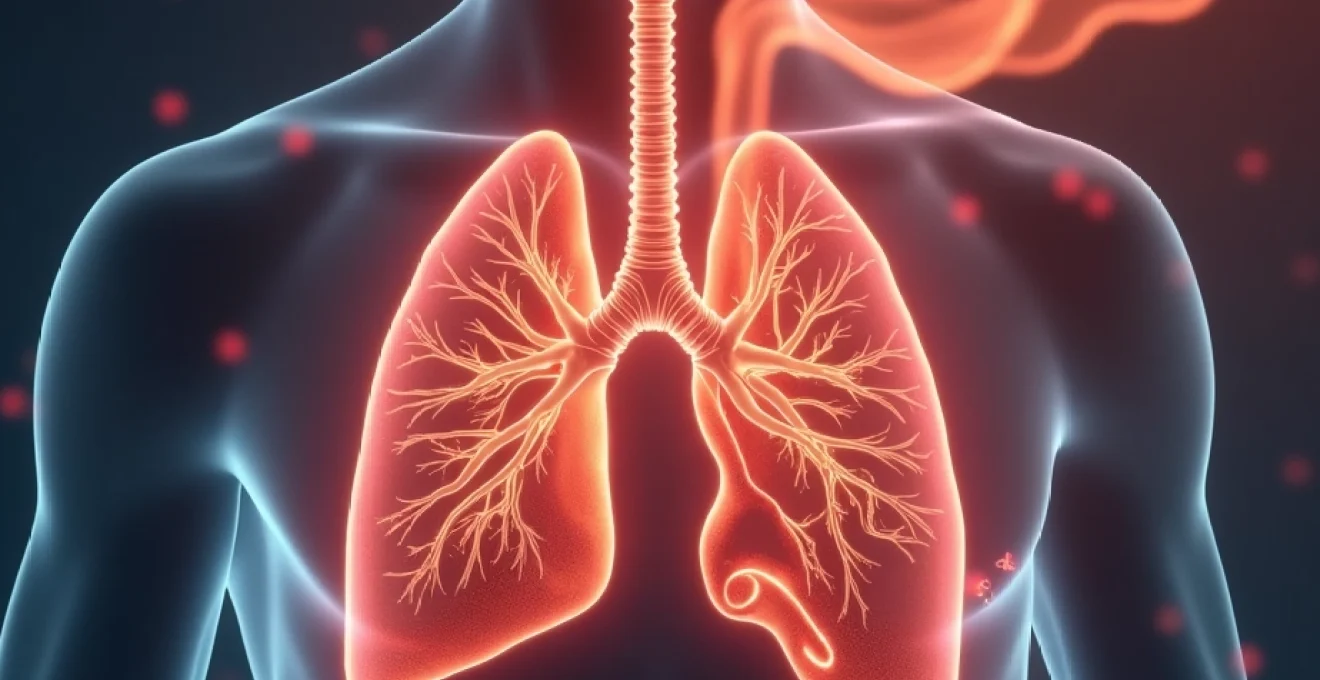
The mysterious sensation of smelling smoke when none exists represents one of the most perplexing neurological symptoms linked to thyroid dysfunction. Known medically as phantosmia, this olfactory hallucination affects approximately 1 in 15 individuals over age 40, with thyroid disorders emerging as a significant underlying cause. The intricate relationship between thyroid hormones and olfactory processing creates a complex web of symptoms that often leave patients questioning their sanity whilst desperately seeking the source of phantom odours. Understanding this connection proves crucial for both patients and healthcare providers, as proper thyroid treatment can frequently resolve these disturbing sensory experiences.
Phantosmia: medical classification and thyroid dysfunction correlation
Phantosmia represents a distinct category within the spectrum of olfactory disorders, characterised by the perception of odours without any external stimulus. Unlike hyposmia (reduced smell sensitivity) or anosmia (complete loss of smell), phantosmia creates entirely false olfactory experiences that can significantly impact quality of life. Medical professionals classify these phantom sensations as olfactory hallucinations , which typically manifest as unpleasant odours lasting between 5 to 20 minutes per episode.
The correlation between thyroid dysfunction and phantosmia has garnered increasing attention in endocrinological research. Studies demonstrate that individuals with hypothyroidism experience phantom smells at rates significantly higher than the general population. The connection extends beyond mere statistical correlation, revealing complex neurochemical pathways that link thyroid hormone deficiency to disrupted olfactory processing.
Olfactory hallucination mechanisms in hypothyroidism
Hypothyroidism creates a cascade of neurological changes that directly impact olfactory function. When thyroid hormone levels drop below optimal ranges, the development and maintenance of olfactory epithelium becomes compromised. This specialised tissue, housing olfactory sensory neurons, requires adequate thyroid hormone concentrations for proper cellular function and regeneration.
Research indicates that thyroid hormone deficiency disrupts the normal interaction between the brain’s olfactory processing centres and peripheral smell receptors. This disruption manifests as phantom sensations, often described as cigarette smoke, burning materials, or foul organic compounds. The temporal nature of these episodes, typically lasting 5-20 minutes, suggests intermittent neuronal misfiring rather than permanent structural damage.
Hyperthyroidism-induced neurological olfactory disturbances
Whilst hypothyroidism receives primary attention regarding phantom smells, hyperthyroidism also contributes to olfactory disturbances through different mechanisms. Elevated thyroid hormone levels create heightened neural sensitivity, potentially triggering olfactory hypersensitivity alongside phantom odour perception. This hyperexcitable state affects multiple sensory systems, with the olfactory apparatus being particularly susceptible due to its direct neural connections to the brain.
The neurological manifestations of hyperthyroidism extend beyond simple sensitivity changes. Patients may experience rapid shifts between normal olfactory function, heightened smell perception, and phantom odour episodes. This variability complicates diagnosis and treatment, requiring careful evaluation of thyroid hormone levels alongside detailed symptom documentation.
Hashimoto’s thyroiditis and autoimmune phantosmia development
Hashimoto’s thyroiditis, the most common autoimmune thyroid condition, presents unique challenges regarding phantom smell development. The autoimmune inflammatory process not only destroys thyroid tissue but also creates systemic inflammation that can affect neurological function. This dual mechanism – hormone deficiency combined with autoimmune inflammation – creates particularly complex olfactory disturbances.
Patients with Hashimoto’s thyroiditis often experience fluctuating thyroid hormone levels during disease progression. These fluctuations correspond with varying intensities of phantom smell episodes, suggesting a direct relationship between hormone stability and olfactory symptom severity. The autoimmune component adds another layer of complexity, as inflammatory cytokines can directly affect neural tissue function.
Graves’ disease neuropsychiatric manifestations including phantom odours
Graves’ disease, characterised by thyroid hormone overproduction, frequently presents with neuropsychiatric symptoms that include olfactory disturbances. The hyperthyroid state creates heightened neural activity that can manifest as phantom smells alongside other sensory aberrations. These symptoms often appear alongside classic Graves’ manifestations such as anxiety, tremor, and sleep disturbances.
The phantom odours associated with Graves’ disease tend to differ qualitatively from those experienced in hypothyroidism. Patients more commonly report sharp, chemical-like smells rather than the smoky, burning sensations typical of hypothyroid phantosmia. This distinction may reflect different underlying mechanisms – neural hyperexcitation versus neural dysfunction – though both ultimately stem from thyroid hormone imbalance .
Thyroid hormone pathways affecting olfactory neural networks
The intricate relationship between thyroid hormones and olfactory function involves multiple neural pathways and receptor systems. Thyroid hormones influence neuronal development, maintenance, and function throughout the nervous system, with the olfactory apparatus being particularly sensitive to these effects. Understanding these pathways provides crucial insights into why thyroid dysfunction so commonly affects smell perception and contributes to phantom odour experiences.
Thyroid hormones serve as essential regulators of neural development and function, with deficiencies creating cascading effects throughout sensory processing systems, particularly affecting the delicate balance of olfactory perception.
Triiodothyronine (T3) receptor distribution in olfactory bulb neurons
Triiodothyronine, the active form of thyroid hormone, exerts its effects through nuclear receptors distributed throughout neural tissue, including dense concentrations within olfactory bulb neurons. These receptors regulate gene expression patterns essential for neuronal function, synaptic transmission, and cellular maintenance. When T3 levels become insufficient, the normal regulatory processes governing olfactory signal processing become disrupted.
The olfactory bulb’s high concentration of T3 receptors explains why smell disturbances often appear early in thyroid dysfunction development. Research demonstrates that even subclinical thyroid hormone deficiencies can affect olfactory bulb function before other neurological symptoms become apparent. This sensitivity makes phantom smell episodes potential early warning signs of developing thyroid dysfunction .
Thyroxine (T4) metabolism and limbic system olfactory processing
Thyroxine conversion to active T3 occurs throughout neural tissue, including regions responsible for olfactory processing within the limbic system. The limbic system’s role in both smell perception and emotional processing explains why phantom odours often carry strong emotional associations and can trigger anxiety or distress. Impaired T4 to T3 conversion in these regions creates localised hormone deficiencies that specifically affect olfactory-limbic interactions.
The temporal patterns of phantom smell episodes often correlate with circadian variations in thyroid hormone metabolism. Many patients report increased phantom odour intensity during specific times of day, typically corresponding to periods when peripheral T3 conversion naturally fluctuates. This timing relationship provides additional evidence for the hormonal basis of thyroid-related phantosmia.
Thyroid-stimulating hormone (TSH) elevation impact on cranial nerve I function
Elevated TSH levels, characteristic of hypothyroidism, create complex effects on cranial nerve function beyond their primary thyroid-stimulating role. Research indicates that chronically elevated TSH may directly affect cranial nerve I (olfactory nerve) function through mechanisms independent of peripheral thyroid hormone levels. This direct neural effect explains why some patients experience phantom smells even when thyroid hormone replacement appears adequate.
The relationship between TSH elevation and smell dysfunction demonstrates dose-dependency, with higher TSH levels correlating with increased severity of olfactory symptoms. Studies show that when TSH values exceed 30 μIU/mL, patients often completely lose the ability to identify odours, whilst moderate elevations (10-30 μIU/mL) typically cause qualitative smell distortions including phantom odour perception.
Reverse T3 accumulation and peripheral olfactory nerve dysfunction
Reverse T3 (rT3) accumulation, often occurring during periods of illness or stress, can interfere with normal thyroid hormone action at the cellular level. This metabolically inactive form of T3 competes with active T3 for receptor binding, effectively creating functional thyroid hormone deficiency despite normal standard thyroid function tests. The peripheral olfactory nerves appear particularly susceptible to this competition-based dysfunction.
Patients with elevated rT3 levels often report phantom smells that resist improvement despite adequate thyroid hormone replacement therapy. This resistance suggests that cellular thyroid hormone resistance in olfactory tissues requires specific therapeutic approaches beyond standard levothyroxine treatment. Understanding rT3’s role in olfactory dysfunction represents an emerging area of clinical importance for treating resistant phantom smell cases.
Clinical diagnostic protocols for Thyroid-Related phantosmia
Establishing accurate diagnosis for thyroid-related phantom smells requires comprehensive evaluation protocols that extend beyond standard thyroid function testing. The complexity of thyroid-olfactory interactions necessitates detailed assessment of multiple hormone parameters, antibody levels, and clinical correlations. Modern diagnostic approaches must consider both obvious and subtle thyroid dysfunction patterns, as phantom smells can occur even with apparently normal standard thyroid tests.
The diagnostic process begins with detailed symptom documentation, including phantom smell characteristics, timing patterns, triggers, and associated symptoms. This information guides appropriate laboratory testing whilst establishing baseline measurements for monitoring treatment response. The goal involves not merely confirming thyroid dysfunction but identifying specific patterns that correlate with olfactory symptoms.
Thyroid function panel interpretation with phantom smoke symptoms
Standard thyroid function panels provide essential baseline information but require careful interpretation when evaluating phantom smoke symptoms. TSH elevation often represents the earliest detectable abnormality, though patients may experience phantom smells before TSH rises significantly above laboratory reference ranges. Free T4 and free T3 levels provide crucial information about actual hormone availability, as total hormone measurements can be misleading.
The timing relationship between phantom smell episodes and thyroid hormone fluctuations requires serial testing rather than single measurements. Many patients show normal thyroid function on isolated tests despite experiencing regular phantom smoke sensations. Dynamic thyroid function assessment through repeated testing over several months often reveals patterns invisible in single test results, providing crucial diagnostic information for treatment planning.
Anti-tpo antibody testing in olfactory hallucination cases
Anti-thyroid peroxidase (anti-TPO) antibody testing proves essential when evaluating phantom smells, as autoimmune thyroid disease creates unique challenges for olfactory function. Elevated anti-TPO antibodies indicate ongoing autoimmune thyroid destruction, which can affect olfactory function through both hormone deficiency and inflammatory mechanisms. The presence of these antibodies often precedes clinical thyroid dysfunction by months or years.
Patients with positive anti-TPO antibodies frequently experience more complex phantom smell patterns compared to those with non-autoimmune thyroid dysfunction. The inflammatory component of autoimmune thyroid disease appears to independently contribute to olfactory neural dysfunction , requiring specific therapeutic considerations beyond simple hormone replacement.
Thyroglobulin antibody assessment for autoimmune phantosmia
Thyroglobulin antibody (anti-Tg) evaluation provides additional diagnostic information, particularly for patients with complex phantom smell presentations. Whilst less commonly elevated than anti-TPO antibodies, positive anti-Tg results indicate broader autoimmune thyroid involvement that may affect multiple aspects of thyroid hormone synthesis and metabolism.
The combination of both anti-TPO and anti-Tg positivity often correlates with more severe phantom smell symptoms and greater resistance to treatment. These patients typically require more aggressive thyroid hormone replacement and may benefit from additional therapeutic approaches targeting the autoimmune inflammatory component of their condition.
Free T4 and free T3 correlation with olfactory symptom severity
Free thyroid hormone measurements provide the most clinically relevant information regarding thyroid status and olfactory function correlation. Free T3 levels show particularly strong correlation with smell dysfunction severity, as T3 represents the metabolically active hormone directly affecting neural function. Research demonstrates that free T3 levels below optimal ranges correlate with increased phantom smell frequency and intensity.
The ratio between free T4 and free T3 provides additional diagnostic information, as impaired peripheral conversion can create tissue-specific thyroid hormone deficiency despite adequate T4 levels. Patients with low T3/T4 ratios often experience persistent phantom smells despite apparent adequate treatment with levothyroxine monotherapy, suggesting the need for combination thyroid hormone therapy including T3 supplementation.
Pharmaceutical interventions: levothyroxine and phantosmia resolution
Levothyroxine therapy represents the primary pharmaceutical intervention for thyroid-related phantom smells, though treatment approaches must be carefully tailored to individual patient needs and specific thyroid dysfunction patterns. The goal extends beyond merely normalising laboratory values to achieving optimal tissue thyroid hormone status that resolves olfactory symptoms. This often requires more aggressive treatment targets than traditionally used for asymptomatic thyroid dysfunction.
Successful treatment of thyroid-related phantom smells requires personalised dosing strategies that prioritise symptom resolution rather than simple laboratory normalisation, often necessitating thyroid hormone levels in the upper normal ranges.
Treatment response typically follows predictable patterns, with most patients experiencing phantom smell reduction within 4-12 weeks of achieving optimal thyroid hormone levels. However, complete resolution may require several months of stable hormone replacement, and some patients may experience permanent olfactory changes if thyroid dysfunction persisted for extended periods before treatment initiation.
The pharmaceutical approach must consider individual factors affecting thyroid hormone absorption, metabolism, and tissue sensitivity. Factors such as concurrent medications, gastrointestinal health, and genetic variations in thyroid hormone processing can significantly influence treatment requirements. Many patients benefit from combination therapy including both T4 and T3 supplementation, particularly when peripheral T4 to T3 conversion appears impaired.
Monitoring treatment response involves both laboratory parameter tracking and detailed symptom documentation. Free T3 levels often provide the most relevant monitoring parameter, as this active hormone correlates most closely with olfactory function improvement. Optimal treatment typically achieves free T3 levels in the upper third of the reference range, though individual optimal levels may vary considerably.
Some patients require supraphysiological thyroid hormone doses to achieve phantom smell resolution, particularly those with autoimmune thyroid disease or tissue resistance patterns. These cases necessitate careful monitoring for hyperthyroid symptoms whilst titrating doses to achieve symptom relief. The balance between adequate treatment and avoiding overtreatment requires experienced clinical judgment and regular follow-up assessment.
Differential diagnosis: thyroid phantosmia versus neurological olfactory disorders
Distinguishing thyroid-related phantom smells from other neurological olfactory disorders requires systematic evaluation of symptom patterns, associated clinical findings, and treatment responses. Several conditions can mimic thyroid-related phantosmia, including primary neurological disorders, medication side effects, and environmental exposures. The differential diagnosis process must consider both common and rare causes whilst avoiding premature diagnostic closure.
Primary neurological causes of phantom smells include migraine-related olfactory aura, temporal lobe epilepsy, and early neurodegenerative diseases such as Parkinson’s disease. These conditions typically present with distinct clinical patterns that differ from thyroid-related phantosmia in timing, associated symptoms, and treatment response. Migraine-related phantom smells often accompany headache episodes, whilst epileptic auras typically last seconds to minutes rather than the 5-20 minute episodes characteristic of thyroid-related phantosmia .
Environmental and medication-related causes require careful history-taking and temporal correlation analysis. Recent respiratory infections, head trauma, or exposure to chemicals can trigger phantom smells through direct olfactory nerve damage. Certain medications, particularly antibiotics and antihistamines, can affect olfactory function and create phantom sensations. These causes typically show clear temporal relationships with exposures and may resolve spontaneously over time.
The response to thyroid hormone treatment provides crucial diagnostic information distinguishing thyroid-related from other causes of phantosmia. Improvement in phantom smells following thyroid hormone optimisation strongly supports the thyroid diagnosis, whilst lack of response despite adequate thyroid hormone replacement suggests alternative aetiologies. This treatment response criterion proves particularly valuable when initial thyroid function tests appear normal but
clinical thyroid dysfunction becomes apparent.
Autoimmune conditions affecting the olfactory system can present with phantom smells that superficially resemble thyroid-related symptoms. Olfactory reference syndrome , a form of obsessive-compulsive disorder, causes patients to become convinced they emit unpleasant odours, though this differs from true phantom smell perception. Additionally, certain autoimmune conditions such as lupus or multiple sclerosis can affect olfactory function through inflammatory mechanisms that may coexist with thyroid dysfunction.
Age-related olfactory decline represents another important differential consideration, as phantom smells become increasingly common after age 40. However, age-related phantosmia typically presents with different characteristics than thyroid-related symptoms, often involving more varied phantom odours and less consistent temporal patterns. The presence of other thyroid-related symptoms such as fatigue, weight changes, or temperature intolerance helps distinguish thyroid-related from purely age-related olfactory dysfunction.
Prognosis and long-term management of thyroid-associated phantom smoke perception
The prognosis for thyroid-associated phantom smoke perception generally proves favourable when appropriate treatment is implemented promptly and maintained consistently. Research indicates that approximately 70-80% of patients experience significant improvement in phantom smell symptoms within six months of achieving optimal thyroid hormone status. However, the degree of improvement varies considerably based on factors including duration of untreated thyroid dysfunction, severity of hormone deficiency, and presence of autoimmune components.
Long-term management requires ongoing attention to thyroid hormone optimization rather than simple maintenance of laboratory normal values. Many patients require periodic dose adjustments based on symptom monitoring and changing physiological needs. Factors such as aging, stress, illness, and medication changes can affect thyroid hormone requirements and potentially trigger recurrence of phantom smell episodes if not addressed proactively.
The concept of thyroid hormone tissue resistance plays a crucial role in long-term management planning. Some patients develop varying degrees of tissue resistance to thyroid hormones over time, requiring gradually increasing doses to maintain symptom control. This phenomenon appears more common in patients with autoimmune thyroid disease and may necessitate combination therapy approaches including T3 supplementation for optimal long-term management.
Successful long-term management of thyroid-associated phantom smoke perception requires a patient-centred approach that prioritises symptom control over laboratory normalisation, with regular monitoring and dose adjustments based on individual response patterns.
Lifestyle factors significantly influence long-term outcomes for thyroid-associated phantom smell management. Stress reduction techniques, adequate sleep, and nutritional support for thyroid function contribute to treatment success and symptom stability. Patients who implement comprehensive lifestyle modifications alongside pharmaceutical treatment typically experience better long-term outcomes and require fewer dose adjustments over time.
The psychological impact of phantom smell symptoms requires ongoing attention during long-term management. Many patients develop anxiety or depression related to their phantom smell experiences, which can persist even after successful thyroid treatment. Addressing these psychological components through counselling or support groups enhances overall treatment outcomes and quality of life improvements.
Monitoring for treatment resistance becomes essential during long-term management, particularly in patients with autoimmune thyroid conditions. Some individuals may develop blocking antibodies or other immune-mediated interference with thyroid hormone action, requiring alternative treatment strategies. Regular assessment of both laboratory parameters and symptom status helps identify emerging resistance patterns before they significantly impact treatment effectiveness.
The potential for permanent olfactory changes must be acknowledged in long-term management planning. Patients with prolonged untreated thyroid dysfunction may experience incomplete recovery of normal olfactory function despite optimal hormone replacement. However, even partial improvement in phantom smell symptoms typically results in significant quality of life enhancement and reduced symptom-related distress.
Emerging therapeutic approaches continue to evolve for managing resistant cases of thyroid-associated phantom smells. Research into novel thyroid hormone delivery methods, combination therapies, and adjuvant treatments offers hope for patients who fail to respond adequately to conventional approaches. The integration of these emerging therapies with established treatment protocols requires careful clinical judgment and ongoing patient monitoring.
Patient education plays a fundamental role in successful long-term management, empowering individuals to recognize early signs of thyroid dysfunction recurrence and understand the importance of consistent medication adherence. Well-informed patients typically achieve better treatment outcomes and maintain greater satisfaction with their care over extended periods. The investment in comprehensive patient education yields significant dividends in terms of treatment success and long-term symptom management.
Regular follow-up scheduling should accommodate the dynamic nature of thyroid function and phantom smell symptoms. Initial treatment phases may require monthly monitoring, whilst stable patients can often extend follow-up intervals to quarterly or semi-annual visits. However, the availability of urgent consultation for symptom changes ensures prompt intervention when needed, preventing prolonged periods of uncontrolled symptoms and potential treatment complications.