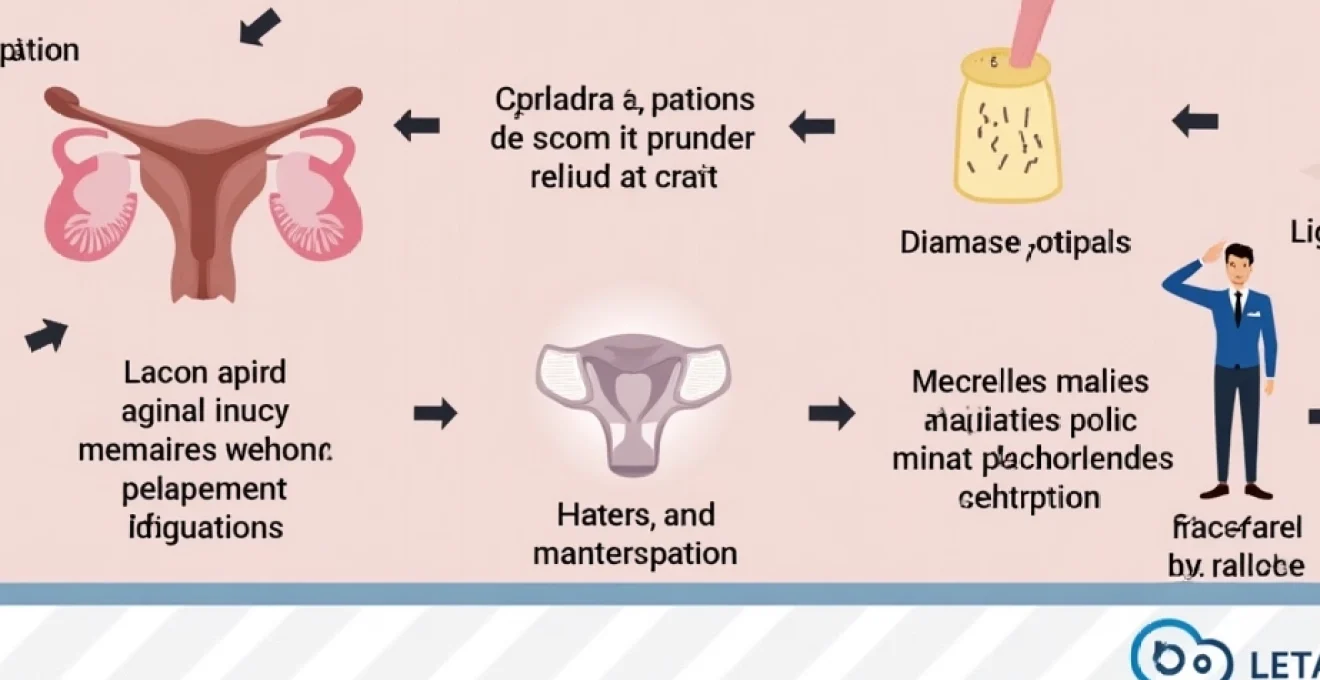
The appearance of seminal fluid can vary significantly between individuals and circumstances, with clear or watery semen being a relatively common observation that often causes concern among men. While healthy semen typically exhibits a cloudy, whitish appearance due to its complex composition of sperm cells and various glandular secretions, transparency in seminal fluid doesn’t necessarily indicate a serious medical condition. Understanding the intricate factors that influence seminal appearance requires examining the sophisticated interplay between reproductive anatomy, physiological processes, and external influences that collectively determine the visual characteristics of ejaculate.
The transparency of semen can result from numerous factors ranging from temporary physiological changes to underlying medical conditions. These variations in seminal appearance often reflect alterations in sperm concentration, glandular secretion patterns, or overall reproductive health status. For men experiencing fertility concerns or those simply curious about reproductive health, recognising the difference between normal variations and potentially problematic changes becomes essential for making informed decisions about seeking medical evaluation.
Normal semen composition and viscosity parameters
Seminal fluid represents a complex biological mixture containing sperm cells suspended within a nutrient-rich medium designed to support fertilisation success. The normal appearance of semen depends heavily on its constituent components, with sperm cells comprising only 2-5% of the total volume whilst the remaining 95-98% consists of various glandular secretions. This composition directly influences the visual characteristics, with higher sperm concentrations typically producing a more opaque, whitish appearance.
The World Health Organisation establishes reference values for normal semen parameters, indicating that healthy seminal fluid should contain at least 15 million sperm per millilitre or a total of 39 million sperm per ejaculate. When sperm concentrations fall below these thresholds, the seminal fluid may appear clearer due to reduced cellular density. Additionally, the viscosity of normal semen undergoes a characteristic transformation, initially appearing gel-like before liquefying within 20-30 minutes post-ejaculation through enzymatic action.
Prostatic fluid concentration and zinc content analysis
The prostate gland contributes approximately 30% of seminal fluid volume, providing essential nutrients and protective factors for sperm viability. Prostatic secretions contain high concentrations of zinc, citric acid, and prostate-specific antigen (PSA), which collectively contribute to the characteristic milky appearance of healthy semen. Zinc concentrations in prostatic fluid typically range from 300-3000 μg/ml, significantly higher than serum levels, and play crucial roles in sperm motility and DNA integrity.
Variations in prostatic function can significantly impact seminal appearance, with reduced zinc content often correlating with clearer seminal fluid. Age-related changes in prostatic secretion patterns may result in decreased zinc output, potentially affecting both seminal opacity and sperm quality. Chronic prostatitis or other inflammatory conditions affecting the prostate can further compromise the gland’s secretory function, leading to alterations in seminal characteristics.
Seminal vesicle secretions and fructose levels
The seminal vesicles contribute the largest portion of seminal fluid, accounting for approximately 60-70% of total ejaculate volume. These paired glands secrete a viscous, alkaline fluid rich in fructose, prostaglandins, and fibrinogen, which provides energy sources for sperm motility whilst contributing to the gel-like consistency of freshly ejaculated semen. Fructose concentrations typically exceed 13 μmol per ejaculate, serving as the primary metabolic fuel for sperm cells.
Dysfunction of the seminal vesicles can result in reduced secretion volume or altered composition, potentially contributing to clearer seminal appearance. Congenital absence of the vas deferens, often associated with cystic fibrosis mutations, can affect seminal vesicle development and function. Additionally, infections affecting these glands may compromise their secretory capacity, leading to changes in both seminal volume and visual characteristics.
Bulbourethral gland mucus production variations
The bulbourethral glands, though contributing only a small percentage of total seminal volume, produce crucial pre-ejaculatory secretions that help neutralise urethral acidity and provide lubrication. These clear, mucus-like secretions can sometimes be mistaken for watery semen, particularly when ejaculatory dysfunction affects the normal coordination of glandular secretions. The timing and volume of bulbourethral gland secretions can vary significantly between individuals.
Variations in bulbourethral gland function may contribute to perceived changes in seminal appearance, especially when these secretions mix with reduced volumes of other glandular components. Stress-related changes in autonomic nervous system function can affect the coordination of these secretions, potentially altering the normal sequence of ejaculatory events.
Epididymal fluid contributions to seminal plasma
The epididymis plays a vital role in sperm maturation whilst contributing specific proteins and ions to the final seminal composition. Epididymal secretions contain high concentrations of carnitine, glycerophosphocholine, and various enzymes essential for sperm function. These components, whilst representing a smaller volume compared to other glandular contributions, significantly influence sperm concentration and mobility within the ejaculate.
Epididymal dysfunction, often resulting from infections or obstructive conditions, can affect both sperm maturation and the composition of epididymal fluid contributions. Such alterations may contribute to changes in seminal appearance, particularly when combined with other factors affecting overall ejaculate composition.
Physiological factors affecting seminal transparency
Several physiological factors can influence the transparency of seminal fluid through their effects on sperm production, glandular secretion patterns, and overall reproductive function. These factors often interact in complex ways, making it challenging to identify single causative elements responsible for changes in seminal appearance. Understanding these physiological influences helps distinguish between temporary variations and more persistent alterations that may warrant medical evaluation.
The intricate hormonal regulation of male reproductive function means that various internal and external factors can affect seminal characteristics. From daily hydration levels to long-term hormonal changes, these physiological variables collectively determine the final composition and appearance of ejaculated semen.
Ejaculatory frequency impact on sperm concentration
The frequency of ejaculation significantly affects sperm concentration and overall seminal appearance, with higher ejaculatory frequencies typically resulting in clearer seminal fluid. Spermatogenesis, the process of sperm production, requires approximately 74 days from initiation to completion, meaning that frequent ejaculation can temporarily deplete stored sperm reserves faster than they can be replenished. Men ejaculating multiple times within short periods often notice progressively clearer semen with subsequent ejaculations.
Research demonstrates that optimal sperm concentration and quality occur with ejaculatory abstinence periods of 2-7 days, balancing the need for fresh sperm production against the potential negative effects of prolonged abstinence. Daily ejaculation can reduce both semen volume and sperm concentration by up to 40-50%, resulting in notably clearer seminal fluid. This represents a normal physiological response rather than a pathological condition.
Age-related changes in accessory gland function
Advancing age affects all components of the male reproductive system, with particular impacts on accessory gland function that can influence seminal appearance. The prostate gland commonly undergoes benign hyperplasia with age, potentially affecting the quality and quantity of prostatic secretions. Similarly, seminal vesicle function may decline, resulting in reduced secretion volumes and altered composition of the nutrient-rich fluid these glands provide.
Testosterone levels naturally decline with age at a rate of approximately 1% per year after age 30, affecting the hormonal stimulation of accessory glands responsible for seminal fluid production. These age-related changes can contribute to alterations in seminal consistency and appearance, often manifesting as clearer or more watery ejaculate in older men. Cellular senescence within reproductive tissues further compounds these effects, potentially impacting overall seminal quality.
Hydration status and seminal plasma dilution
Hydration levels can influence seminal fluid characteristics, though the effects are often more subtle than commonly believed. Severe dehydration may concentrate seminal fluid, potentially making it appear thicker, whilst excessive fluid intake could theoretically contribute to dilution. However, the body’s sophisticated regulatory mechanisms typically maintain relatively stable seminal composition despite moderate variations in hydration status.
Certain medications affecting fluid balance, such as diuretics, may have more pronounced effects on seminal characteristics than normal hydration variations. The complex interplay between systemic fluid balance and local reproductive tract secretions means that dramatic changes in seminal appearance are rarely attributable to hydration alone. Chronic dehydration may affect overall reproductive health through multiple pathways, potentially impacting seminal quality beyond simple concentration effects.
Hormonal fluctuations affecting semen viscosity
Hormonal fluctuations, particularly involving testosterone, luteinising hormone (LH), and follicle-stimulating hormone (FSH), directly influence both sperm production and accessory gland function. These hormones regulate the complex processes of spermatogenesis whilst stimulating the secretory activity of prostatic and seminal vesicle tissues. Disruptions in this hormonal balance can manifest as changes in seminal volume, consistency, and appearance.
Stress-induced hormonal changes, particularly elevated cortisol levels, can suppress reproductive hormone production through effects on the hypothalamic-pituitary-gonadal axis. This suppression may result in reduced sperm production and altered glandular secretions, potentially contributing to clearer seminal fluid. Seasonal variations in hormone levels, though subtle, may also contribute to periodic changes in seminal characteristics observed by some men.
Medical conditions associated with clear seminal fluid
Several medical conditions can result in persistently clear or watery seminal fluid, often through their effects on sperm production, ejaculatory function, or accessory gland secretions. These conditions range from relatively common issues like retrograde ejaculation to more complex hormonal disorders affecting overall reproductive function. Understanding these medical causes becomes crucial for determining when clear semen represents a symptom requiring professional evaluation rather than a benign variation.
The distinction between temporary physiological changes and underlying medical conditions often depends on the persistence and severity of seminal changes, along with associated symptoms. Men experiencing consistently clear semen over extended periods, particularly when accompanied by other reproductive symptoms, should consider comprehensive urological evaluation.
Retrograde ejaculation and bladder neck dysfunction
Retrograde ejaculation occurs when seminal fluid flows backward into the bladder rather than exiting through the urethra, resulting in dramatically reduced ejaculate volume and often clearer appearance of any externally visible fluid. This condition results from dysfunction of the bladder neck mechanism, which normally closes during ejaculation to direct seminal fluid anterogradely through the penile urethra. Retrograde ejaculation can be complete or partial, with partial cases often producing small volumes of clear or watery ejaculate.
Common causes of retrograde ejaculation include diabetic neuropathy, certain medications (particularly alpha-blockers and some antidepressants), surgical procedures affecting bladder neck innervation, and congenital abnormalities. The condition affects approximately 0.3-2% of men and can significantly impact fertility despite normal sperm production. Post-ejaculatory urinalysis typically reveals the presence of sperm in urine samples, confirming the diagnosis.
Oligozoospermia and severe asthenozoospermia
Oligozoospermia, defined as sperm concentrations below 15 million per millilitre, directly affects seminal opacity due to reduced cellular density. Severe cases with concentrations below 5 million per millilitre often produce notably clear seminal fluid lacking the characteristic cloudy appearance of normal ejaculate. This condition can result from various factors including hormonal imbalances, genetic abnormalities, varicoceles, infections, or environmental toxins.
Severe asthenozoospermia, characterised by poor sperm motility, may also contribute to altered seminal appearance through associated changes in sperm concentration and accessory gland function. The combination of reduced sperm numbers and poor motility often indicates underlying reproductive tract dysfunction affecting multiple aspects of seminal composition. Cryptozoospermia , representing the most severe form with extremely low sperm concentrations, typically produces completely clear seminal fluid indistinguishable from accessory gland secretions alone.
Ejaculatory duct obstruction pathophysiology
Ejaculatory duct obstruction prevents the normal mixing of sperm-rich fluid from the vas deferens with secretions from the seminal vesicles, resulting in altered seminal composition and often clearer appearance. This condition can be congenital or acquired, with causes including prostatic cysts, calcifications, inflammatory strictures, or surgical trauma. The obstruction typically affects seminal vesicle contributions to ejaculate volume and composition.
Men with ejaculatory duct obstruction often present with low semen volume (typically less than 1.5 ml), absence of fructose in seminal fluid, and clearer appearance due to the predominance of prostatic secretions. The condition affects approximately 1-5% of infertile men and can be diagnosed through transrectal ultrasound and seminal fluid analysis. Surgical correction through transurethral resection of ejaculatory ducts may restore normal seminal composition and appearance.
Hypogonadotropic hypogonadism effects on semen production
Hypogonadotropic hypogonadism, characterised by deficient gonadotropin production from the pituitary gland, results in inadequate stimulation of testicular function and subsequent reductions in both sperm production and testosterone synthesis. This condition typically produces severely oligospermic or azoospermic ejaculates with clear appearance due to absent or minimal sperm content. The reduced hormonal stimulation also affects accessory gland function, potentially altering overall seminal composition.
Both congenital forms (such as Kallmann syndrome) and acquired causes (including pituitary tumours, trauma, or medications) can result in hypogonadotropic hypogonadism. The condition often presents with additional symptoms including reduced libido, erectile dysfunction, and secondary sexual characteristic changes. Hormone replacement therapy or gonadotropin stimulation can potentially restore normal semen production and appearance in many cases.
Diagnostic evaluation through semen analysis testing
Comprehensive semen analysis represents the cornerstone of evaluating men with persistently clear seminal fluid, providing detailed assessment of multiple parameters that collectively determine ejaculate appearance and quality. Standard semen analysis evaluates volume, concentration, motility, morphology, and various biochemical markers that help identify specific causes of altered seminal characteristics. The World Health Organisation provides standardised protocols ensuring consistent and reliable results across different laboratories.
Modern semen analysis techniques utilise computer-assisted sperm analysis (CASA) systems for precise measurement of sperm concentration and motility parameters, whilst advanced testing may include assessment of sperm DNA fragmentation, reactive oxygen species levels, and specific protein markers. These comprehensive evaluations help distinguish between different causes of clear semen, from simple oligozoospermia to more complex ejaculatory disorders or glandular dysfunction.
Understanding the complete picture of seminal fluid composition requires analysis of both cellular and acellular components, with clear semen often reflecting specific patterns of abnormality that guide targeted treatment approaches.
Additional diagnostic tests may include hormonal assessment of testosterone, FSH, LH, and prolactin levels to evaluate the hypothalamic-pituitary-gonadal axis function. Genetic testing for Y-chromosome microdeletions, karyotype analysis, and cystic fibrosis mutations may be indicated in cases of severe oligozoospermia or azoospermia. Scrotal ultrasound can identify varicoceles, testicular abnormalities, or ductal obstructions contributing to altered semen production.
Post-ejaculatory urinalysis becomes essential when retrograde ejaculation is suspected, with the presence of sperm in urine samples confirming this diagnosis. Transrectal ultrasound may be necessary to evaluate suspected ejaculatory duct obstruction, whilst testicular biopsy might be considered in cases of non-obstructive azoospermia to assess spermatogenic function directly. These comprehensive diagnostic approaches ensure accurate identification of underlying causes and appropriate treatment selection.
Medication-induced changes in seminal appearance
Numerous medications can affect seminal fluid characteristics through various mechanisms, including direct effects on sperm production, alterations in ejaculatory function
, hormonal regulation, and accessory gland secretion patterns. Alpha-adrenergic blocking agents, commonly prescribed for hypertension and benign prostatic hyperplasia, can cause retrograde ejaculation by preventing proper bladder neck closure during orgasm. This results in reduced antegrade ejaculate volume and often clearer appearance of any expelled seminal fluid.
Selective serotonin reuptake inhibitors (SSRIs) and other antidepressants may affect ejaculatory function through alterations in neurotransmitter balance, potentially reducing semen volume and altering its consistency. These medications can also impact testosterone levels indirectly, affecting both sperm production and accessory gland secretions. Tricyclic antidepressants and antipsychotic medications may produce similar effects through different neurochemical pathways.
Chemotherapy agents, particularly alkylating agents and anti-metabolites, can severely compromise spermatogenesis, resulting in oligozoospermia or azoospermia that manifests as clear seminal fluid. The effects may be temporary or permanent depending on the specific agents used, dosages, and individual patient factors. Testosterone replacement therapy, paradoxically, can suppress natural sperm production through feedback inhibition of gonadotropin release, leading to clearer semen despite improved secondary sexual characteristics.
Calcium channel blockers and certain antihypertensive medications may affect smooth muscle function in the reproductive tract, potentially altering ejaculatory dynamics and seminal composition. Opioid medications can suppress the hypothalamic-pituitary-gonadal axis, reducing both testosterone levels and sperm production over time. Anabolic steroids produce similar effects through direct suppression of natural hormone production, often resulting in dramatically reduced sperm concentrations and clearer seminal appearance.
Treatment approaches for underlying reproductive disorders
Treatment strategies for clear seminal fluid depend heavily on identifying and addressing the underlying cause, with approaches ranging from simple lifestyle modifications to complex surgical interventions. The selection of appropriate treatment requires comprehensive diagnostic evaluation to distinguish between reversible and irreversible causes, temporary physiological variations, and serious underlying pathology. Successful treatment often involves a multidisciplinary approach combining urological expertise with endocrinological assessment and reproductive counselling.
For men with oligozoospermia contributing to clear semen appearance, treatment options may include hormonal therapy, surgical correction of varicoceles, or assisted reproductive techniques depending on the specific underlying cause. Lifestyle optimisation forms the foundation of treatment for many cases, addressing modifiable factors that may be compromising reproductive function. The timeline for improvement varies significantly, with some interventions showing effects within weeks whilst others may require months to demonstrate meaningful changes.
Hormonal replacement therapy represents a cornerstone treatment for men with hypogonadotropic hypogonadism, utilising human chorionic gonadotropin (hCG) and follicle-stimulating hormone (FSH) to stimulate testicular function and restore spermatogenesis. This approach can effectively reverse azoospermia or severe oligozoospermia in many cases, resulting in improved semen volume and opacity over 6-12 months of treatment. Clomiphene citrate may benefit men with mild hormonal imbalances by stimulating endogenous gonadotropin production.
Surgical interventions become necessary for anatomical abnormalities contributing to clear semen, including varicocelectomy for significant varicoceles, transurethral resection for ejaculatory duct obstruction, or vasoepididymostomy for ductal blockages. Microsurgical techniques have improved success rates whilst minimising complications, with many procedures offering excellent prospects for restoration of normal seminal characteristics. The timing of surgical intervention often depends on the severity of symptoms and fertility goals.
For retrograde ejaculation, treatment approaches include discontinuation of causative medications where possible, pharmacological therapy with sympathomimetic agents like pseudoephedrine or imipramine to improve bladder neck closure, or bladder neck reconstruction in severe cases. Sperm retrieval techniques from post-ejaculatory urine samples can enable assisted reproduction when other treatments prove unsuccessful. The choice of intervention depends on the underlying cause and degree of retrograde flow.
Infection-related causes require targeted antibiotic therapy based on culture results and sensitivity patterns, with treatment courses typically lasting 4-6 weeks for prostatic infections. Anti-inflammatory therapy may provide additional benefits in cases with significant inflammatory components. Antioxidant supplementation with compounds like coenzyme Q10, vitamin E, and zinc may help address oxidative stress affecting sperm quality, though evidence for dramatic improvements in seminal appearance remains limited.
Assisted reproductive technologies (ART) may be necessary when treatment fails to restore adequate sperm concentrations for natural conception, even if seminal appearance improves. Intracytoplasmic sperm injection (ICSI) can achieve fertilisation with very low sperm numbers, making conception possible even with persistently clear semen. Testicular sperm extraction may be required in cases of complete ejaculatory failure or non-obstructive azoospermia.
Lifestyle modifications complement medical treatments and may independently improve seminal characteristics in some men. Optimising body weight, regular moderate exercise, stress management techniques, and avoidance of excessive heat exposure to the genital area can positively impact sperm production and accessory gland function. Dietary improvements focusing on antioxidant-rich foods, adequate protein intake, and essential fatty acids may provide additional benefits over time.
Long-term monitoring remains essential regardless of the treatment approach chosen, with regular semen analyses tracking progress and identifying any deterioration in parameters. The psychological impact of altered seminal appearance and associated fertility concerns often requires counselling support, particularly for couples attempting conception. Treatment success should be measured not only by improvements in seminal appearance but also by overall reproductive outcomes and patient satisfaction with the chosen therapeutic approach.