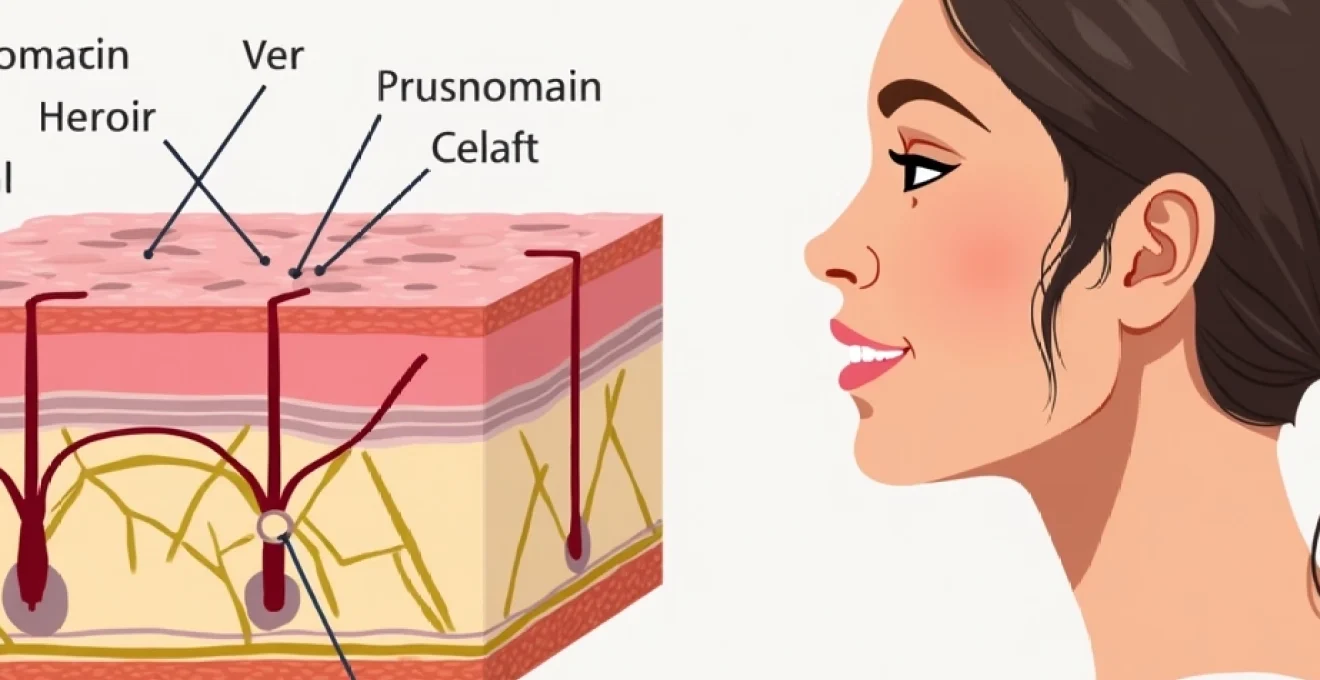
The phenomenon of heightened skin sensitivity during illness is far more complex than many people realise. When your body fights infection, a sophisticated cascade of immunological, neurological, and hormonal responses occurs beneath the surface, fundamentally altering how your skin perceives and responds to stimuli. This cutaneous hypersensitivity represents one of the body’s most fascinating defence mechanisms, yet it often leaves individuals feeling uncomfortable and seeking answers about why their skin suddenly feels tender to even the gentlest touch.
Understanding the intricate mechanisms behind illness-induced skin sensitivity requires examining multiple interconnected systems within the body. From cytokine storms that trigger inflammatory responses to neurological pathway disruptions that amplify pain signals, the reasons behind your skin’s heightened reactivity during sickness involve a remarkable interplay of biological processes. These mechanisms serve important protective functions whilst simultaneously creating the uncomfortable sensations that many experience during periods of illness.
Immunological mechanisms behind cutaneous hypersensitivity during illness
The immune system’s response to infection creates a complex web of inflammatory processes that directly impact skin sensitivity. When pathogens invade the body, immune cells immediately begin producing inflammatory mediators that serve dual purposes: eliminating threats and preparing tissues for potential damage. This heightened state of immune vigilance fundamentally alters how sensory receptors in the skin function, creating the hypersensitive conditions many people experience during illness.
The relationship between systemic inflammation and cutaneous sensitivity involves multiple cellular pathways working simultaneously. Immune cells release various signalling molecules that not only combat infection but also modify pain perception thresholds throughout the body. This process represents an evolutionary adaptation that encourages rest and protective behaviours during vulnerable periods when the body requires energy conservation for healing.
Cytokine-mediated inflammatory cascade effects on dermal nociceptors
Cytokines function as molecular messengers that coordinate immune responses, but their effects extend far beyond pathogen elimination. When pro-inflammatory cytokines such as interleukin-6 and interferon-gamma flood the bloodstream during illness, they directly interact with nociceptors—specialised nerve endings responsible for detecting potentially harmful stimuli. These interactions dramatically lower pain thresholds, making previously non-painful sensations feel uncomfortable or even painful.
The cytokine cascade creates a state of peripheral sensitisation where sensory neurons become hyperexcitable. This biological amplification system ensures that the body remains acutely aware of potential threats during periods of compromised immunity. Research indicates that certain cytokines can increase nociceptor sensitivity by up to 300%, explaining why gentle touches or temperature changes feel dramatically more intense during illness.
Furthermore, cytokines trigger the release of additional inflammatory mediators from various cell types within the skin. This creates a self-perpetuating cycle of sensitivity that continues until the underlying infection resolves and cytokine levels normalise. The duration and intensity of this response often correlate directly with the severity of the underlying illness.
Interleukin-1β and TNF-α impact on skin barrier function
Interleukin-1β and tumour necrosis factor-alpha represent two of the most significant inflammatory cytokines affecting skin barrier integrity during illness. These molecules directly compromise the skin’s protective barrier by disrupting tight junctions between keratinocytes, the primary cells forming the outermost layer of skin. When this barrier becomes compromised, external stimuli can more easily penetrate deeper skin layers, reaching sensitive nerve endings that normally remain protected.
The impact of these cytokines extends beyond simple barrier disruption. They also stimulate the production of matrix metalloproteinases, enzymes that break down structural proteins within the skin. This enzymatic activity further weakens the skin’s protective capabilities whilst simultaneously creating an environment where inflammatory mediators can accumulate more easily. The result is a compromised skin barrier that amplifies sensitivity to touch, temperature, and chemical stimuli.
Studies demonstrate that elevated levels of interleukin-1β and TNF-α can persist for several days after the acute phase of illness subsides. This persistence helps explain why skin sensitivity often continues even as other symptoms begin to improve, creating a delayed recovery pattern that many individuals find frustrating and confusing.
Mast cell degranulation and histamine release patterns
Mast cells serve as sentinel immune cells strategically positioned throughout skin tissues, ready to respond rapidly to perceived threats. During systemic illness, these cells undergo degranulation—a process where they release their stored contents, including histamine, proteases, and various inflammatory mediators. This massive release of bioactive compounds creates immediate and profound changes in skin sensitivity that can persist throughout the illness duration.
Histamine release specifically targets sensory nerve endings, causing them to become hyperresponsive to mechanical stimuli. The compound binds to specific receptors on nerve fibres, triggering electrical impulses that the brain interprets as itching, burning, or pain sensations. This mechanism explains why skin often feels itchy or uncomfortable during illness, even without visible signs of irritation or rash formation.
The pattern of mast cell activation during illness follows predictable phases. Initial degranulation occurs within hours of infection onset, followed by sustained mediator release that can continue for days. This prolonged activation ensures continued immune surveillance but also maintains the uncomfortable skin sensitivity that characterises many illnesses.
Prostaglandin E2 synthesis and peripheral sensitisation pathways
Prostaglandin E2 represents one of the most potent inflammatory mediators affecting skin sensitivity during illness. This lipid compound is synthesised by various cell types in response to inflammatory stimuli and plays a crucial role in sensitising peripheral nociceptors. Unlike other inflammatory mediators that primarily cause acute responses, prostaglandin E2 creates lasting changes in nerve sensitivity that can persist well beyond the initial inflammatory trigger.
The synthesis of prostaglandin E2 involves the cyclooxygenase enzyme pathway, which becomes dramatically upregulated during illness. This increased production creates sustained peripheral sensitisation, where sensory neurons maintain heightened responsiveness to stimuli. The process involves complex molecular changes within nerve cells themselves, including altered ion channel expression and modified neurotransmitter release patterns.
The profound impact of prostaglandin E2 on skin sensitivity during illness demonstrates how a single inflammatory mediator can create widespread changes in sensory perception, highlighting the interconnected nature of immune and nervous system responses.
Neurological pathways connecting systemic illness to dermal sensitivity
The nervous system serves as the critical bridge between systemic illness and localised skin sensitivity, orchestrating complex communication networks that translate immune responses into sensory experiences. During illness, various neurological pathways become activated or modified, creating the heightened sensitivity that affects how you perceive touch, temperature, and pressure on your skin. These neural adaptations represent sophisticated survival mechanisms designed to protect the body during vulnerable periods.
Understanding these neurological connections requires examining both peripheral nerve responses and central nervous system modifications that occur during illness. The interplay between these systems creates the characteristic hypersensitivity patterns observed across different types of infections and inflammatory conditions. These pathways involve multiple neurotransmitter systems and can produce lasting changes in sensory processing that extend beyond the acute illness phase.
Vagus nerve modulation of cutaneous sensory processing
The vagus nerve plays a pivotal role in connecting immune system activation with altered sensory processing throughout the body, including the skin. When immune cells detect pathogens, they communicate directly with vagal nerve fibres through various molecular signals, creating what researchers term the “inflammatory reflex.” This communication pathway allows the brain to monitor immune system activity and adjust sensory processing accordingly.
Vagal nerve stimulation during illness triggers the release of various neurotransmitters that modulate pain perception and sensory thresholds. These changes occur at multiple levels of the nervous system, from peripheral nerve endings in the skin to central processing centres in the brain and spinal cord. The result is a coordinated adjustment in sensory sensitivity that makes you more aware of potential threats whilst encouraging rest and recovery behaviours.
Research indicates that vagal nerve activity increases significantly during acute illness, correlating directly with reported levels of skin sensitivity. This relationship suggests that the vagus nerve serves as a primary mediator between systemic inflammation and cutaneous hypersensitivity, providing a direct neurological explanation for why skin feels more sensitive during periods of illness.
Substance P release and neurogenic inflammation mechanisms
Substance P represents a crucial neuropeptide in the development of skin sensitivity during illness. This molecule is released from sensory nerve endings in response to various inflammatory stimuli and creates what scientists call neurogenic inflammation—a process where the nervous system itself becomes a source of inflammatory responses. During illness, substance P release increases dramatically, contributing significantly to the hypersensitive state that affects skin perception.
The release of substance P triggers multiple cascading effects within skin tissues. It causes blood vessel dilation, increases vascular permeability, and stimulates the release of additional inflammatory mediators from various cell types. These effects create a self-amplifying cycle where neurological responses enhance inflammatory processes, which in turn stimulate further neurological activation. This mechanism explains why skin sensitivity during illness can feel disproportionate to the severity of other symptoms.
Furthermore, substance P directly sensitises nociceptors, making them respond to stimuli that would normally be below their activation threshold. This peripheral sensitisation ensures that even gentle touches or minor temperature changes can trigger pain or discomfort signals, creating the characteristic tenderness that many people experience when unwell.
TRPV1 receptor upregulation in febrile states
Transient receptor potential vanilloid 1 (TRPV1) receptors serve as molecular thermostats in sensory neurons, detecting temperature changes and potentially harmful heat. During febrile illnesses, these receptors undergo significant upregulation, becoming more numerous and more sensitive to activation. This adaptation helps explain why skin feels uncomfortably warm or sensitive to temperature changes during fever episodes.
The upregulation of TRPV1 receptors occurs through complex gene expression changes triggered by inflammatory mediators. Cytokines such as nerve growth factor and various interleukins directly stimulate the production of additional TRPV1 receptors whilst also modifying their sensitivity thresholds. This process can begin within hours of illness onset and may persist for days after fever resolution.
TRPV1 receptor modifications during illness extend beyond simple temperature sensitivity. These receptors also respond to various inflammatory compounds, mechanical pressure, and pH changes, making them versatile sensors for detecting multiple types of potentially harmful stimuli. Their upregulation during illness creates a heightened state of sensory awareness that contributes significantly to overall skin sensitivity.
Descending pain modulation disruption during acute illness
The brain possesses sophisticated mechanisms for modulating pain perception through descending pathways that can either amplify or suppress sensory signals. During illness, these regulatory systems become disrupted, often losing their ability to effectively filter out non-threatening stimuli. This disruption contributes significantly to the heightened skin sensitivity experienced during periods of sickness.
Normally, descending pain modulation systems help maintain appropriate sensory thresholds, ensuring that only genuinely harmful stimuli trigger pain responses. However, during illness, inflammatory mediators and stress hormones interfere with these regulatory mechanisms. The result is a loss of sensory filtering that allows normally innocuous stimuli to reach conscious perception as uncomfortable or painful sensations.
The disruption of descending modulation pathways involves multiple neurotransmitter systems, including serotonin, norepinephrine, and endogenous opioids. Changes in these systems during illness can persist for extended periods, explaining why some individuals continue to experience heightened skin sensitivity even after other illness symptoms resolve.
Hormonal fluctuations and stress response impact on skin sensitivity
The endocrine system’s response to illness creates profound hormonal changes that directly influence skin sensitivity through multiple pathways. When your body detects infection or inflammatory threats, it initiates a coordinated stress response involving various hormone-producing glands. These hormonal fluctuations serve important adaptive functions but also contribute significantly to the altered sensory experiences that characterise illness-related skin sensitivity.
The relationship between hormonal changes and cutaneous hypersensitivity involves complex interactions between stress hormones, immune mediators, and neurotransmitter systems. These interactions create cascading effects that can amplify sensitivity responses whilst simultaneously affecting the skin’s barrier function and repair mechanisms. Understanding these hormonal influences provides crucial insights into why skin sensitivity varies between individuals and why recovery patterns differ across different types of illnesses.
Cortisol dysregulation and epidermal barrier compromise
Cortisol serves as the body’s primary stress hormone, and its levels fluctuate dramatically during illness as part of the natural stress response. While acute cortisol elevation helps mobilise energy resources and modulate immune responses, chronic elevation or dysregulated patterns can significantly compromise skin barrier function. During illness, cortisol affects the synthesis of essential barrier proteins and lipids, creating structural weaknesses that increase sensitivity to external stimuli.
The impact of cortisol on skin barrier integrity involves multiple molecular mechanisms. Elevated cortisol levels suppress the production of ceramides and other barrier lipids whilst simultaneously increasing the breakdown of structural proteins. This dual effect creates a compromised barrier that allows irritants and allergens to penetrate more easily, triggering inflammatory responses and heightened sensitivity.
Research demonstrates that cortisol dysregulation during illness can persist for weeks after acute symptoms resolve. This prolonged hormonal imbalance helps explain why some individuals experience extended periods of skin sensitivity following recovery from infections or other inflammatory conditions.
Hypothalamic-pituitary-adrenal axis dysfunction effects
The hypothalamic-pituitary-adrenal (HPA) axis represents the body’s central stress response system, coordinating hormonal responses to illness and other stressors. During acute illness, this system becomes highly activated, producing cascading hormonal changes that affect skin sensitivity through multiple pathways. HPA axis dysfunction can occur when illness persists or when the stress response becomes inappropriately activated.
HPA axis activation during illness triggers the release of corticotropin-releasing hormone, adrenocorticotropic hormone, and ultimately cortisol. However, this system also influences the production of other hormones that affect skin function, including growth hormone, thyroid hormones, and sex hormones. The complex interplay between these hormonal changes creates widespread effects on skin physiology and sensitivity.
Dysfunction of the HPA axis during illness can lead to inappropriate hormonal responses that exacerbate skin sensitivity. This dysfunction may manifest as either excessive activation or inadequate responses, both of which can contribute to prolonged sensitivity and delayed recovery of normal skin function.
Catecholamine surge influence on dermal blood flow
The sympathetic nervous system’s release of catecholamines—including epinephrine and norepinephrine—during illness creates significant changes in dermal blood flow patterns that directly affect skin sensitivity. These hormones cause vasoconstriction in some areas whilst promoting vasodilation in others, creating uneven blood flow distribution that can make skin feel more sensitive to temperature and pressure changes.
Catecholamine-induced changes in blood flow affect the delivery of nutrients and inflammatory mediators to skin tissues. Areas with reduced blood flow may become more sensitive due to relative hypoxia, whilst areas with increased flow may experience heightened sensitivity due to enhanced delivery of inflammatory compounds. This creates a complex pattern of varying sensitivity across different body regions.
The effects of catecholamine surges extend beyond immediate blood flow changes. These hormones also influence the function of various cell types within the skin, including immune cells, nerve endings, and structural cells. These cellular effects can persist for hours or days after catecholamine levels normalise, contributing to sustained skin sensitivity during illness recovery.
Growth hormone suppression and tissue repair mechanisms
Growth hormone plays a crucial role in maintaining skin integrity and facilitating repair processes. During illness, growth hormone production becomes significantly suppressed as the body redirects energy resources toward immune function and immediate survival needs. This suppression affects the skin’s ability to maintain its barrier function and repair minor damage, contributing to increased sensitivity and delayed recovery.
The suppression of growth hormone during illness affects multiple aspects of skin physiology. Cell proliferation rates decrease, collagen synthesis slows, and the production of essential barrier components becomes reduced. These changes create a cumulative weakening of skin structure that makes it more susceptible to irritation and more sensitive to various stimuli.
Growth hormone suppression during illness represents a strategic energy conservation mechanism, but its effects on skin sensitivity demonstrate how the body’s survival priorities can create uncomfortable secondary symptoms that persist beyond acute illness phases.
Specific disease states and associated cutaneous hypersensitivity patterns
Different illnesses create distinct patterns of skin sensitivity based on their unique pathophysiological mechanisms and affected body systems
. Viral infections like influenza tend to create widespread, diffuse sensitivity that affects large areas of the body simultaneously. This pattern reflects the systemic nature of viral replication and the corresponding immune response that involves multiple organ systems working in coordination.
Bacterial infections often produce more localised patterns of hypersensitivity, particularly around sites of infection or areas with high bacterial colonisation. The skin sensitivity associated with bacterial illnesses typically involves more intense inflammatory responses due to the direct tissue damage these pathogens can cause. Streptococcal and staphylococcal infections frequently create characteristic patterns of cutaneous hypersensitivity that may persist even after antibiotic treatment begins.
Autoimmune conditions present unique sensitivity patterns that can fluctuate dramatically based on disease activity levels. During flares, patients often experience heightened skin sensitivity that correlates directly with inflammatory marker elevation. These patterns help clinicians monitor disease progression and treatment effectiveness, as skin sensitivity changes often precede other measurable improvements.
Chronic inflammatory conditions such as rheumatoid arthritis or inflammatory bowel disease create persistent, low-level skin sensitivity that waxes and wanes with overall disease activity. This chronic hypersensitivity state requires different management approaches compared to acute illness-related sensitivity, often involving long-term anti-inflammatory strategies and careful monitoring of triggering factors.
Temperature regulation dysfunction and thermosensitive skin responses
Temperature regulation becomes significantly compromised during illness, creating complex interactions between thermoregulatory mechanisms and skin sensitivity patterns. When your body’s internal thermostat malfunctions due to inflammatory mediators and immune system activation, the skin’s temperature-sensing capabilities become hyperactivated in an attempt to maintain homeostasis. This dysregulation explains why seemingly minor temperature changes feel dramatically uncomfortable during periods of illness.
The hypothalamus serves as the body’s primary temperature control centre, but during illness, inflammatory cytokines directly interfere with its normal functioning. This interference creates erratic temperature set-point adjustments that leave individuals feeling simultaneously hot and cold, while making their skin hypersensitive to environmental temperature variations. These thermoregulatory disruptions can persist for days after fever resolution, creating prolonged periods of temperature-related skin discomfort.
Fever-induced changes in skin blood flow create additional complications in temperature perception. During febrile episodes, blood vessels alternate between constriction and dilation in an attempt to regulate core body temperature. These rapid changes in dermal blood flow make skin temperature sensors hyperreactive, causing normal room temperatures to feel uncomfortably hot or cold depending on the current vascular state.
The skin’s thermoreceptors undergo significant modifications during illness, becoming more sensitive to both heat and cold stimuli. Research indicates that these receptors can remain hypersensitive for up to two weeks following acute illness, explaining why individuals often report continued temperature sensitivity well into their recovery period. This prolonged sensitivity serves as a protective mechanism, encouraging continued rest and preventing premature return to normal activities.
Temperature regulation dysfunction during illness creates a paradoxical situation where the body’s attempts to maintain thermal homeostasis actually increase overall discomfort, demonstrating how illness-related adaptations can produce seemingly counterproductive effects.
Recovery timeline and dermal sensitivity normalisation mechanisms
The recovery of normal skin sensitivity following illness follows predictable phases, though individual timelines can vary significantly based on the underlying condition severity, individual immune response patterns, and various contributing factors. Understanding these recovery phases helps set appropriate expectations and guides treatment decisions during the healing process. Most individuals begin experiencing gradual sensitivity reduction within 48-72 hours after acute symptoms peak, though complete normalisation may require weeks.
The initial recovery phase involves the gradual reduction of inflammatory mediator concentrations as immune system activation subsides. During this period, cytokine levels begin declining, allowing peripheral sensitisation to diminish progressively. However, this process rarely occurs linearly, with many individuals experiencing fluctuating sensitivity levels as their body systems recalibrate. These fluctuations represent normal healing patterns rather than signs of setback or complication.
Neurological pathway restoration represents a critical component of sensitivity normalisation that often extends beyond inflammatory resolution. The nervous system requires time to readjust neurotransmitter levels, restore normal pain modulation pathways, and recalibrate sensory thresholds. This neurological recovery phase explains why some individuals continue experiencing heightened skin sensitivity even after other illness symptoms completely resolve.
Hormonal rebalancing during recovery significantly influences the timeline of sensitivity normalisation. The hypothalamic-pituitary-adrenal axis requires several weeks to return to baseline functioning after illness-induced activation. During this rebalancing period, individuals may experience intermittent episodes of heightened sensitivity, particularly during times of stress or fatigue when hormonal systems become temporarily overwhelmed.
Skin barrier restoration represents the final phase of sensitivity normalisation, involving the reconstruction of protective lipid layers and the restoration of normal cellular turnover patterns. This process requires adequate nutrition, hydration, and time for cellular repair mechanisms to function effectively. Complete barrier restoration typically requires 2-4 weeks following illness resolution, though this timeline can be accelerated through appropriate skincare interventions and lifestyle modifications.
Individual factors significantly influence recovery timelines, with age, overall health status, stress levels, and concurrent medications all playing important roles. Older adults typically require longer recovery periods due to slower cellular repair processes and less efficient immune system resolution. Similarly, individuals with chronic health conditions may experience prolonged sensitivity due to underlying inflammatory processes that persist beyond acute illness phases.
Monitoring recovery progress involves paying attention to specific indicators that suggest normal sensitivity patterns are returning. Gradually increasing tolerance to gentle touch, reduced temperature sensitivity, and improved comfort with clothing contact all signal positive recovery trends. However, individuals should expect some degree of variability in their progress, with occasional setbacks representing normal healing patterns rather than cause for concern.